
Thoracic Mid-Back Pain ChiropractorAdelaide
If you finish a long desk shift or a long drive home down Marion Road with a tight, aching band between your shoulder blades, you are not alone. Mid-back pain is a common complaint for working-age adults, and research suggests it may respond to a structured, hands-on approach. Evidence-based care at 528 Marion Road, Plympton Park, on the southern commuter corridor. $69 initial consultation. No referral needed.

Does this sound familiar?
Common mid-back pain patterns we hear. Tap a card for a plain-English explanation.
"Tight band between my shoulder blades by mid-afternoon at the desk."
"Sharp catch in my mid-back when I twist or take a deep breath."
"Long drives on Marion Road and the freeway leave my mid-back stiff for hours."
What Thoracic Mid-Back Pain Looks Like
Thoracic mid-back pain typically sits between the base of the neck and the lower ribs. It may present as a tight band between the shoulder blades, a sharp catch on twisting, or a pinch on deep breathing. Most presentations in working-age adults are mechanical.
Typical features include:
- Location across the mid-back, often between the shoulder blades, sometimes wrapping around to the side of the chest wall along a rib line.
- Aggravators including prolonged sitting, sustained driving, forward-head desk posture, and rotational movement or deep inspiration.
- Easing often with gentle walking, thoracic rotation movement, and breaking up long periods of static posture.
- Differentiation point: pain that is reproduced on palpating the front of the chest wall is more typical of costochondritis than a posterior thoracic joint issue.
How We Assess It: Hands-On Thoracic Screen
A structured bedside assessment may include thoracic range-of-motion testing, segmental palpation, costovertebral joint provocation (rib spring), and a cervicothoracic junction screen. These tests help clarify where the irritated tissue is likely sitting and whether care is likely to help.
What the evidence base for the assessment tells us:
- Heneghan and Rushton (2016) described the thoracic spine as under-assessed in routine MSK practice and flagged regional interdependence, meaning thoracic mobility may influence neck and shoulder presentations. A focused screen is worthwhile even when the primary complaint seems local.
- Rib spring and segmental mobility testing are commonly used to identify costovertebral joint irritation. Research suggests reproducible provocation in a localised segment raises the likelihood that the rib-spine junction is a contributing source.
- NICE NG59 frames conservative spinal care as a package of manual therapy, exercise, and shared decision-making, rather than passive treatment alone. While NG59 is written around the lower back, the principles extend across spinal presentations.
Sources: Heneghan NR, Rushton A (2016) Man Ther 21:274. NICE Guideline NG59 (2016, updated 2020).
What the Research Suggests
Thoracic mid-back pain is common in working-age adults, and research suggests multimodal conservative care that pairs hands-on techniques with active movement may help some patients. The studies below summarise what the research suggests, not what any individual person will experience.
Briggs 2009 · BMC Musculoskelet Disord
Thoracic spine pain is common and tied to quality-of-life impact
Systematic review of thoracic spine pain prevalence across adult populations. Reported prevalence varied with setting, with higher rates in working-age adults and frequent overlap with neck and lower back symptoms.
Read the study →Heneghan 2018 · Musculoskelet Sci Pract
Thoracic spine manipulation may help some musculoskeletal presentations
Systematic review of thoracic spine manipulation across mechanical neck, shoulder, and thoracic presentations. Short-term improvements were seen in selected populations. Individual responses vary and a single review is not a treatment recommendation.
Read the study →Cleland 2007 · Physical Therapy
Thoracic manipulation may reduce pain in selected neck-pain patients
Randomised clinical trial demonstrating short-term pain and range-of-motion improvements with thoracic manipulation in patients with mechanical neck pain. Illustrates the clinical relevance of thoracic-cervical coupling.
Read the study →Southerst 2015 · Bone & Joint Decade
Soft tissue therapy plus exercise may help neck and thoracic pain
OPTIMa systematic review of soft tissue therapies and exercise for neck and associated thoracic pain. Findings supported a multimodal, active-care approach over passive treatment alone.
Read the study →How Chiropractic Care May Help
Research suggests a structured, multimodal approach that combines hands-on assessment, movement-based care, and posture guidance may help some patients with mechanical mid-back pain. Care at Stapleton Chiropractic is matched to your comfort and presentation. Individual responses vary.
At Stapleton Chiropractic, Dr Sam Johnson (Chiropractor) begins with a conversation about your day, your desk setup, your driving patterns, and any lifting you routinely do, followed by a focused physical assessment. For thoracic mid-back pain, care typically includes:
- Detailed history and red flag screen to confirm the presentation is consistent with mechanical thoracic pain and to rule out anything that warrants urgent medical review.
- Hands-on assessment including costovertebral and thoracic joint provocation testing, palpation of the paraspinal musculature, and a check of neck and shoulder mobility given the regional interdependence.
- Low-force adjustment using an Activator instrument or drop-piece table where appropriate. Both apply a small, controlled impulse without the manual thrust some people find uncomfortable, and suit a guarded or irritated mid-back.
- Diversified manual adjustment for patients comfortable with hands-on adjusting, applied to the thoracic spine and associated regions as clinically indicated.
- Soft tissue techniques including myofascial and trigger-point work for the thoracic paraspinals, rhomboids, and mid-trapezius that often guard around an irritated thoracic region.
- Posture and movement guidance focused on the desk, the steering wheel, and lifting positions. Simple between-drive and between-meeting resets are often a practical win for commuters and desk workers.
Progress is reviewed at each visit. There are no lock-in plans, and the decision to continue is always yours. If your response to care is not what we would expect, we will reassess and, where appropriate, discuss referral pathways back to your GP, to imaging, to a pain clinic, or to a colleague in another discipline.
Chiropractic vs other common approaches
| Approach | Chiropractic (here) | Physiotherapy | Remedial massage |
|---|---|---|---|
| Primary focus | Joint and soft tissue, movement, and load | Movement, exercise rehab, education | Muscle tension and soft tissue |
| Manual adjustment | Yes. Activator, drop-piece, or diversified manual | Sometimes, depending on the practitioner | No |
| Soft tissue work | Yes, alongside adjustment | Yes, alongside exercise | Yes, primary focus |
| Exercise prescription | Yes, graded to the thoracic spine and posture | Yes, typically the primary tool | Occasionally |
| Lock-in plans | No | Varies by clinic | Varies by clinic |
| Referral needed | No | No | No |
If we feel you would benefit from a different approach, we will always let you know.
Why Stapleton Chiropractic
Adult-first, evidence-informed, and family-run since 1972. No lock-in plans, clear pricing, and the decision is always yours.
Est. 1972
Over five decades on Marion Road. A Plympton Park practice your family likely already knows.
Evidence-informed
Care is guided by Cochrane reviews, NICE guidelines, and current clinical research. Outcomes are discussed honestly.
No lock-in plans
Pay per visit. The decision to continue is always yours, reviewed at each appointment.
Transparent pricing
$69 initial consultation, $60 standard. All major health funds accepted with on-the-spot claiming where supported.
What Your First Visit Looks Like
Four straightforward steps. No paperwork marathons, no surprises.
Book online or call
Pick a time that suits. No referral needed. $69 initial consultation.
Brief intake
Short history form at reception, covering the pain story and any red flags.
Assessment
Thoracic ROM, rib spring tests, segmental palpation, and a cervicothoracic junction screen. We explain what we find.
Discussion & next steps
Plain-English findings and options. If care is appropriate, we discuss it. The decision is always yours.
Ready to speak to Dr Sam?
$69 initial consultation. No lock-in plans. All major health funds accepted.
Book a ConsultationTransparent Affordable Fees
No lock-in plans, no pressure. Fees sit well below the South Australian average.
Source: Australian Chiropractors Association Consultation Fee Survey 2025 (SA data). All major health funds accepted.
Warning Signs That Warrant Urgent Medical Review
Most mid-back pain in working-age adults is mechanical and settles with conservative care. A short list of red flags warrants a GP review before hands-on care.
Please see your GP first, or present to your nearest emergency department, if your mid-back pain is accompanied by any of the following:
- Severe night pain that wakes you from sleep, or pain that is unrelieved by rest or position change
- Unexplained weight loss, ongoing fever, or a general sense of being unwell alongside your mid-back pain
- A personal history of cancer, particularly of the breast, prostate, lung, kidney, or thyroid
- Recent significant trauma, including falls, heavy lifts, or motor vehicle events. If you are over 50, on long-term corticosteroids, or have known or suspected osteoporosis, even a low-energy event may raise concern for a compression fracture
- Bilateral arm symptoms, progressive weakness, changes in coordination or balance, or changes in bladder or bowel function, which may suggest spinal cord involvement
- A bandlike rash or blistering along one side of the chest wall, which may suggest shingles
- Chest pain, shortness of breath, pain radiating into the jaw or left arm, or symptoms that feel related to exertion, which may indicate a cardiac or pulmonary cause that warrants urgent medical review
If any of these apply, contact your GP, call healthdirect on 1800 022 222, or attend your nearest emergency department. These features may indicate a condition that warrants urgent medical review, rather than a mechanical thoracic issue. When in doubt, please speak to your GP first.
Ready to Get Started? We're Ready When You Are.
Choose a time that works for you. No referral needed.
Dr Sam Johnson (Chiropractor)
B.Sc.(Chiro), M.Chiro.(Macq)
$69
Initial Consultation
Up to 30 minutes, including full assessment
Book Your First VisitPrefer to call? (08) 8297 5277
Text: 0400 105 454 | Email: wecanhelp@stapletonchiropractic.com.au
You will receive a confirmation email with all details immediately after booking.
Frequently Asked Questions
What is thoracic mid-back pain?
Why is mid-back pain so common in desk workers?
Can a chiropractor help with mid-back pain?
What about pain from long drives on Marion Road and the freeway?
What happens at my first visit?
How much does it cost?
Do I need a GP referral?
When should I see a GP instead of a chiropractor?
Ready to Take the First Step?
Book your initial consultation with Dr Sam Johnson (Chiropractor). No referral needed. $69 initial consultation.
Stapleton Chiropractic. Est. 1972. Clinically led by Dr Sam Johnson (Chiropractor), BSc (Chiropractic) and MChiro, Macquarie University. AHPRA-registered.
Address: 528 Marion Road, Plympton Park SA 5038 Phone: (08) 8297 5277 Hours: Mon to Fri 7am to 7pm, Sat 8am to 12pm Email: wecanhelp@stapletonchiropractic.com.au
Scope note: We focus on the assessment and conservative management of musculoskeletal conditions. We do not make claims about non-musculoskeletal conditions.
What to Expect at Your First Visit
Stapleton Chiropractic is an evidence-based chiropractic practice at 528 Marion Road, Plympton Park, Adelaide (Est. 1972). An initial consultation costs $69 and includes a comprehensive 30-minute hands-on assessment. All major health funds accepted; no referral needed.
Allow up to 30 minutes for a comprehensive initial consultation. Here is how it works.
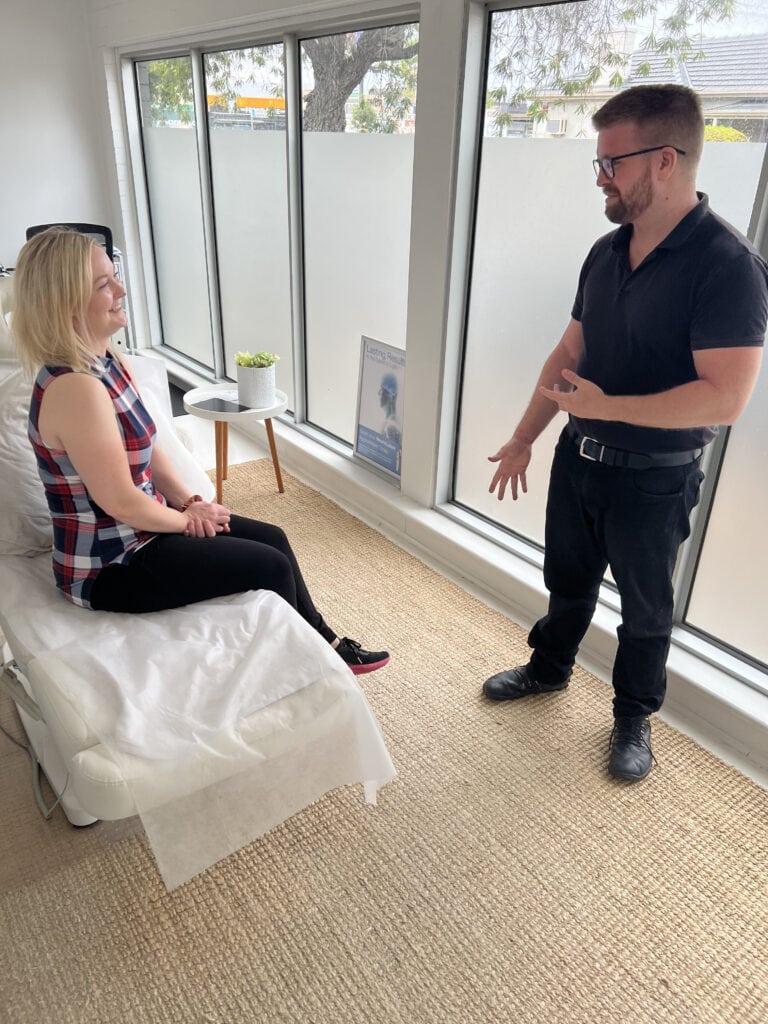
You Tell Us
We listen carefully, ask the right questions, and build a clear picture of what has been going on.
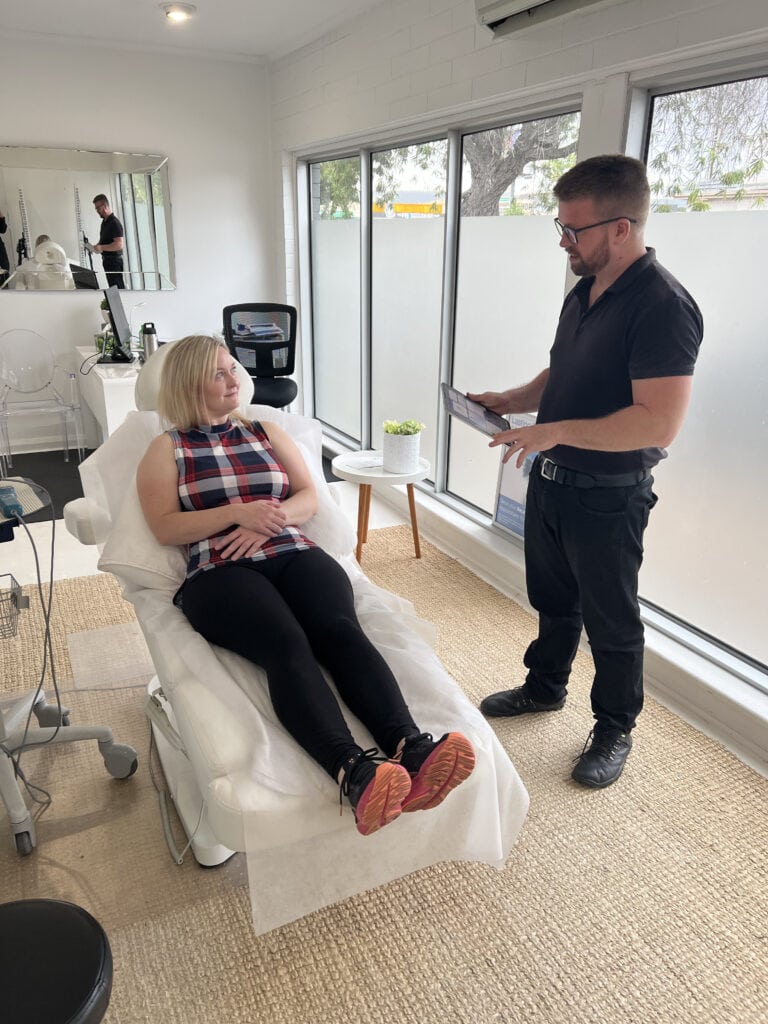
We Assess
Hands-on testing and biostructural analysis to identify what may be contributing to your concern.
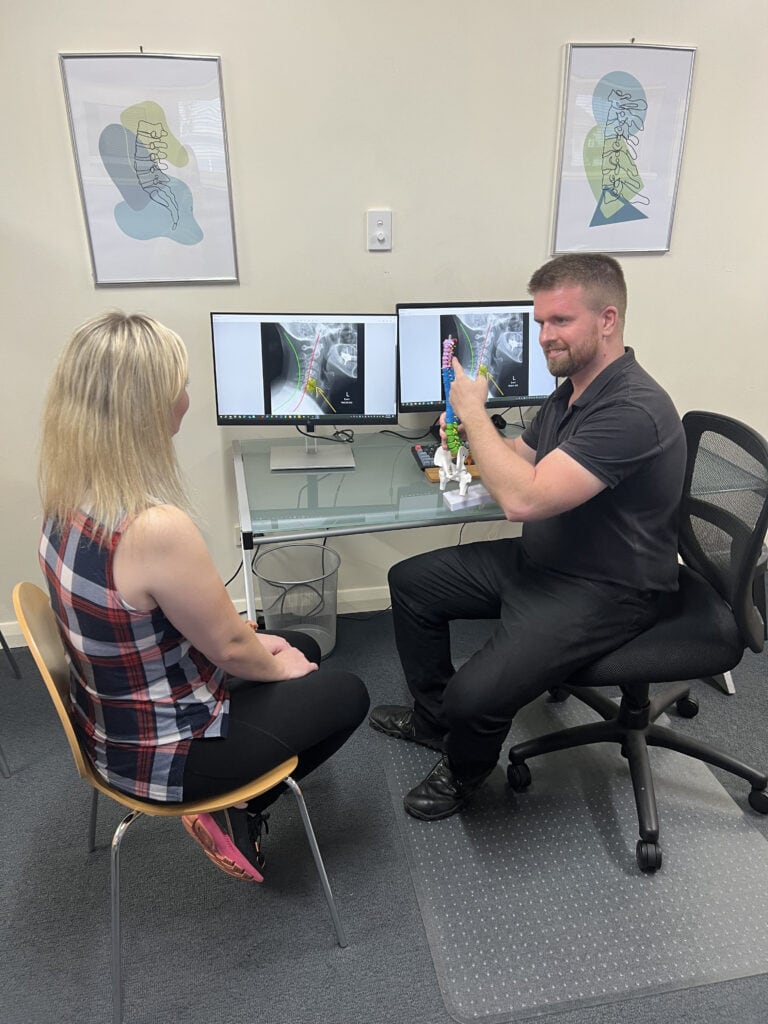
We Explain
We walk you through our findings and your options in plain language. If imaging is recommended, we will explain why and discuss your options.
X-rays are only referred for with your consent, and where eligible, may be bulk billed.*
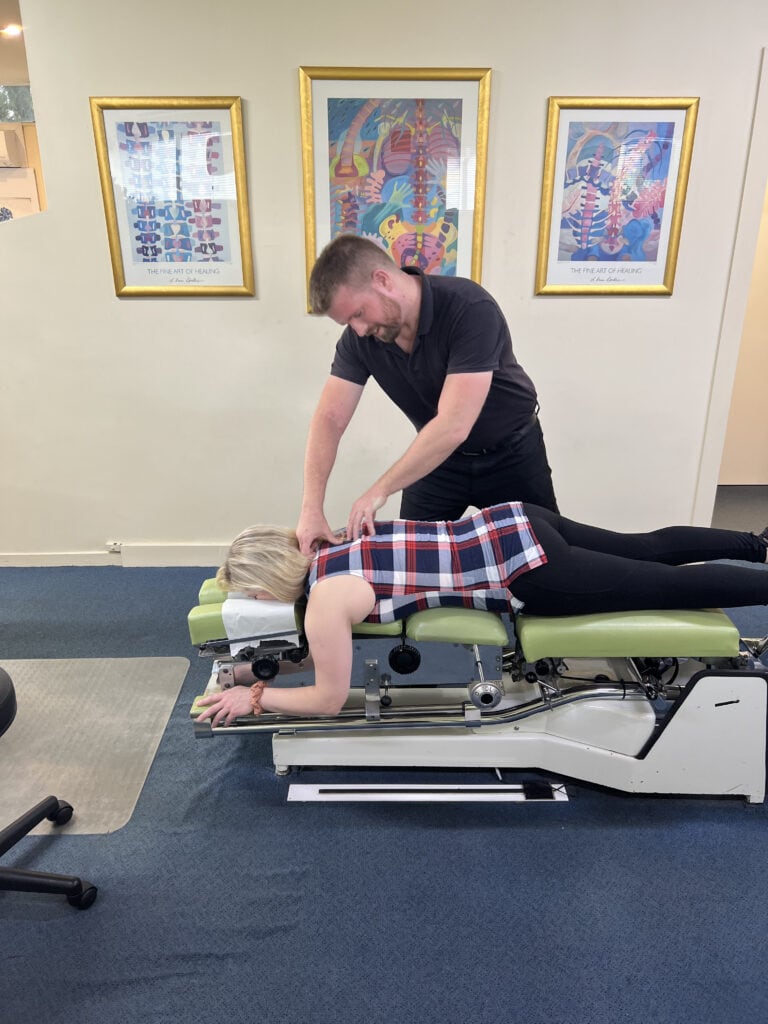
Care May Begin
Where clinically appropriate, care may begin on your first visit to help support relief.*
We offer both traditional hands-on chiropractic techniques and gentle, low-force approaches, tailored to your comfort. Care only proceeds with your consent.
Ready to Get Started?
Your first visit takes about 30 minutes. No referral needed, no lock-in plans. The decision is always yours.
Book Your First Visit*Subject to clinical assessment and suitability criteria. Bulk billing subject to eligibility criteria and clinical need.
Transparent Affordable Fees
Source: Australian Chiropractors Association Consultation Fee Survey 2025 (SA data). *Care provided where clinically appropriate, subject to assessment.
Care that fits your day
528 Marion Road, Plympton Park SA 5038
Ready to Get Started? We're Ready When You Are.
Choose a time that works for you. No referral needed.

Dr Sam Johnson (Chiropractor)
B.Sc.(Chiro), M.Chiro.(Macq)
$69
Initial Consultation
Up to 30 minutes, including full assessment
Book Your First VisitPrefer to call? (08) 8297 5277
Text: 0400 105 454 | Email: wecanhelp@stapletonchiropractic.com.au
You will receive a confirmation email with all details immediately after booking.