Accepting New Patients

Shoulder & Upper Back PainAdelaide

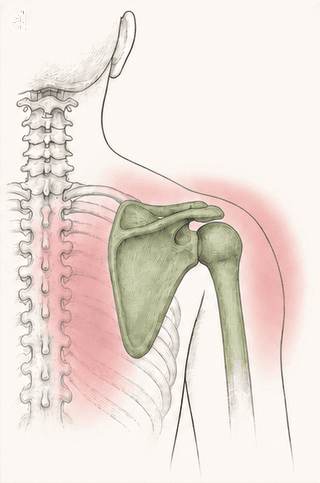
Shoulder and upper back pain often travel together. The joint you feel the pain in is not always the joint driving it. Research suggests many shoulder presentations have a thoracic spine or cervicothoracic contribution worth assessing alongside the shoulder itself. $69 initial consultation with Dr Sam Johnson (Chiropractor). No referral needed.

Dr Sam Johnson (Chiropractor), shoulder and upper back pain care in Adelaide
75+ Google Reviews 🏥 Est. 1972 💳 All Major Health Funds 7am to 7pm Weekdays 🅿 Free Parking
Shoulder and upper back pain is a regional musculoskeletal pattern that often involves the glenohumeral joint, the rotator cuff, the scapulothoracic region, and the thoracic spine together. Common presentations include rotator cuff-related pain, frozen shoulder patterns, postural upper back tension, and cervicothoracic referral. Research suggests thoracic spine mobility and scapular function are often contributors worth assessing alongside the shoulder itself.

Does this sound familiar?

Common shoulder and upper back pain patterns we hear. Tap a card for a plain-English explanation.

"A tight band across my upper back and one shoulder that builds through the workday."
You may work long hours at a screen, and by mid-afternoon there is a tight line between the shoulder blades, often worse on the mouse-hand side. The neck stiffens too, and the first few minutes after standing up feel locked. Research suggests postural load on the thoracic spine and scapular region may contribute to this pattern. A practical plan that does not require quitting your job is usually what helps most. Individual responses vary.
General information only. This is not a diagnosis and does not replace a proper clinical assessment. Individual presentations vary.
"Pinching at the top of the shoulder during overhead lifts, and it wakes me at night."
You may be an active lifter, CrossFitter, swimmer, or recreational tennis player. The pinch shows up at the top range of an overhead press or behind-the-back reach, and lying on the affected side at night aggravates it. You have tried deloading and band pull-aparts, but want a clear read on whether this is rotator cuff, impingement, thoracic mobility, or something else. Research suggests progressive loading combined with manual therapy may help manage rotator cuff-related shoulder pain.
General information only. This is not a diagnosis and does not replace a proper clinical assessment. Individual presentations vary.
"My shoulder locks up in the morning, and I cannot reach the back seatbelt anymore."
You may have noticed progressive shoulder stiffness over months rather than a single injury. Reaching behind the back, into a back pocket, or up to fasten a bra has become guarded or blocked. Waking at 3am with a deep ache is common. Research suggests adhesive capsulitis (frozen shoulder) risk is higher in adults aged 40 to 60, and in those with diabetes or thyroid conditions. A gentle approach that respects the stage of the condition, and honest advice about timing and referral, is what tends to help most.
General information only. This is not a diagnosis and does not replace a proper clinical assessment. Individual presentations vary.
"A deep ache between the shoulder blades that feels like it comes from my neck."
You may notice the pain sits between the shoulder blades, sometimes radiating into one arm, and it feels linked to how your neck is moving. Turning to check a blind spot tugs the wrong way. The nerves that supply the shoulder exit from the lower neck, so irritation in that region may refer pain into the shoulder, blade, or arm. A structured assessment looks at neck movement, thoracic mobility, and shoulder function together to work out where the driver sits.
General information only. This is not a diagnosis and does not replace a proper clinical assessment. Individual presentations vary.

What Shoulder & Upper Back Pain Looks Like

Shoulder and upper back pain cover a regional cluster of mechanical patterns. The joint you feel is not always the joint driving the pain. The job of assessment is to sort out which pattern fits.

Typical features we hear about include:

  • Location ranging from the top of the shoulder, into the arm, across the trapezius, between the shoulder blades, or along the side of the chest wall.
  • Aggravators including overhead reaching, reaching behind the back, prolonged desk or driving posture, sleeping on the affected side, and deep breathing or twisting (for rib-related patterns).
  • Easing often with gentle movement, postural reset, warm showers, and offloading the affected arm.
  • Night pain can be prominent with rotator cuff-related and frozen shoulder patterns. Waking because of the shoulder is a common trigger for seeking care.
General information only. The patterns above are common but not universal. Individual presentations vary, and a careful assessment is important to differentiate the contributing structures.

Sorting Out Which Pattern Fits: Differential Map

Shoulder and upper back pain is an umbrella. The more specific patterns below each behave differently and respond to different emphasis in care. Tap the links to read the dedicated page for each pattern.

PatternTypical LocationTypical AggravatorsRead More
Rotator cuff-relatedTop of shoulder, outer upper armOverhead lifts, reaching behind, side-lying at nightRotator cuff pain
Thoracic mid-backBetween the shoulder blades, mid-spineProlonged sitting, slumped posture, twistingThoracic mid-back pain
Rib painAlong the rib line, one-sided chest wallDeep breathing, coughing, rolling over in bedRib pain
Pinched nerve (cervicothoracic)Neck into shoulder, blade, or armNeck turning, overhead posture, sustained positionsPinched nerve

Assessment may find one pattern dominant, or a mix of contributors. Care is tailored to what the examination finds, not to the label alone.

General information only. Pattern labels guide care but do not replace a personalised clinical assessment. Individual presentations vary.

How We Assess Shoulder & Upper Back Pain

A structured bedside examination looks at the shoulder, scapula, thoracic spine, and lower neck together. The goal is to identify the dominant contributor and rule out anything that warrants urgent medical review.

A typical assessment includes:

  • History screen covering onset, pattern of pain, aggravators, night pain, work and training load, and any red-flag features.
  • Shoulder range and strength testing in flexion, abduction, external and internal rotation, including pain provocation and functional reach.
  • Scapular control observation during arm elevation, looking for dyskinesis patterns that may contribute to the load on the rotator cuff.
  • Thoracic mobility screen, as research suggests thoracic extension and rotation restriction may contribute to shoulder pain and overhead reach.
  • Cervicothoracic screen covering neck range, upper limb neural tension, and any reproducible referral into the shoulder or arm.
  • Red-flag screen for cardiac, vascular, infective, neoplastic, and neurological presentations that sit outside musculoskeletal scope.

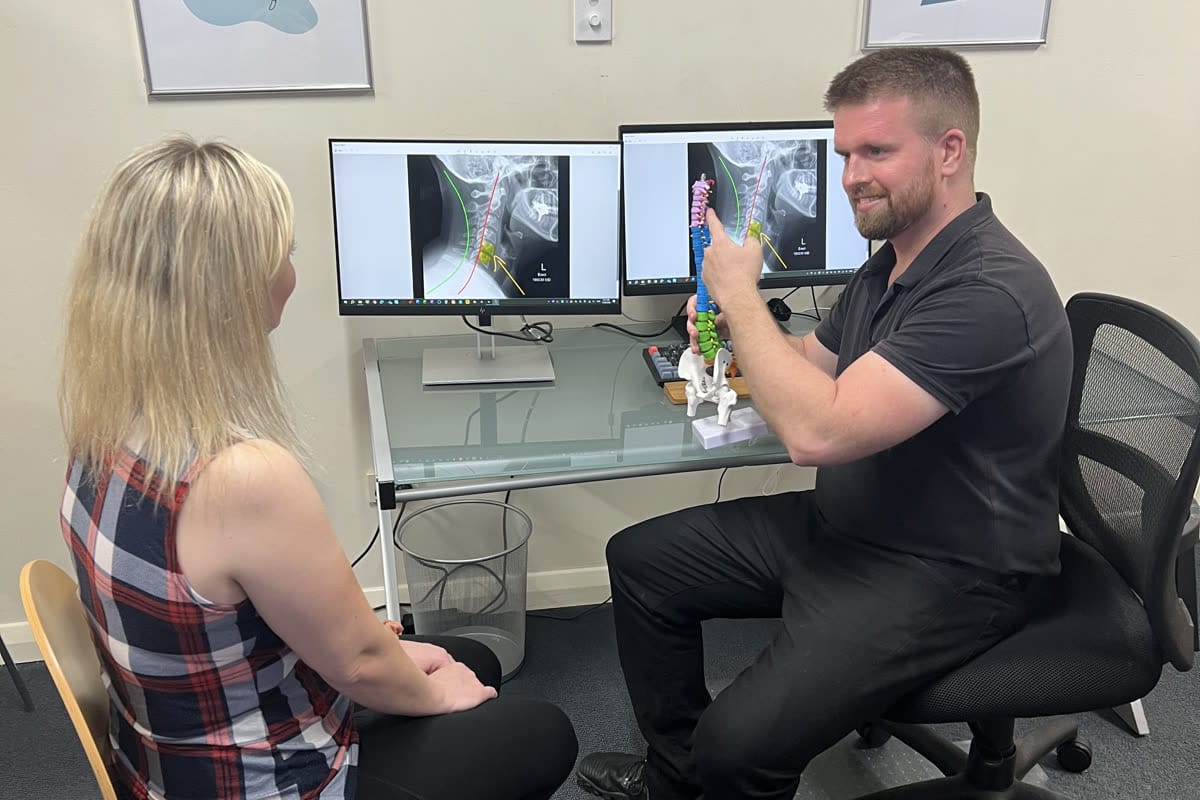
After the examination, findings are explained in plain English, along with what we think is driving the pattern and what the options are. If imaging or a GP review, an orthopaedic medical opinion, or a surgical opinion would add useful information, we will say so.

General information only. Assessment findings are personalised during your visit. Individual presentations vary, and a face-to-face examination is important.

What the Research Suggests

Conservative manual therapy, graded exercise, and postural re-education feature in mainstream guidelines for musculoskeletal shoulder and upper back pain. The studies below summarise what the research suggests, not what any individual person will experience.

Mintken 2010 · J Orthop Sports Phys Ther

Thoracic spine manipulation may contribute to short-term shoulder improvement

Randomised trial suggesting thoracic spine manipulation, combined with usual care, may contribute to short-term improvements in shoulder pain and disability scores. Individual responses vary.

Read the study →

Naunton 2020 · Clin Rehabil

Exercise therapy may help manage rotator cuff-related shoulder pain

Systematic review and meta-analysis of randomised controlled trials. Progressive and non-progressive loading protocols produced comparable outcomes for rotator cuff-related shoulder pain.

Read the study →

Walser 2009 · J Man Manip Ther

Thoracic manipulation may contribute to upper-quarter pain and function

Systematic review and meta-analysis of RCTs suggesting thoracic spine manipulation may contribute to improvements in upper-quarter musculoskeletal pain and function, including the shoulder.

Read the study →

Page 2016 · Cochrane Review

Manual therapy plus exercise may offer small additional benefits

Cochrane review evidence suggests manual therapy combined with exercise may produce small additional benefits beyond exercise alone for rotator cuff-related shoulder pain, though confidence in the estimate is limited.

Read the review →
General information only. The studies cited are research findings, not personal outcome predictions. Individual responses to care vary, and the decision to pursue any course of care is always yours.

How Chiropractic Care May Help

Research suggests conservative manual therapy, combined with graded loading and postural re-education, may help manage musculoskeletal shoulder and upper back pain. Care is tailored to how your shoulder, thoracic spine, and neck respond to assessment. Individual responses vary.

At Stapleton Chiropractic, care for shoulder and upper back pain typically includes:

  • Detailed history and red-flag screen to confirm the presentation is mechanical and to rule out anything that warrants urgent medical review.
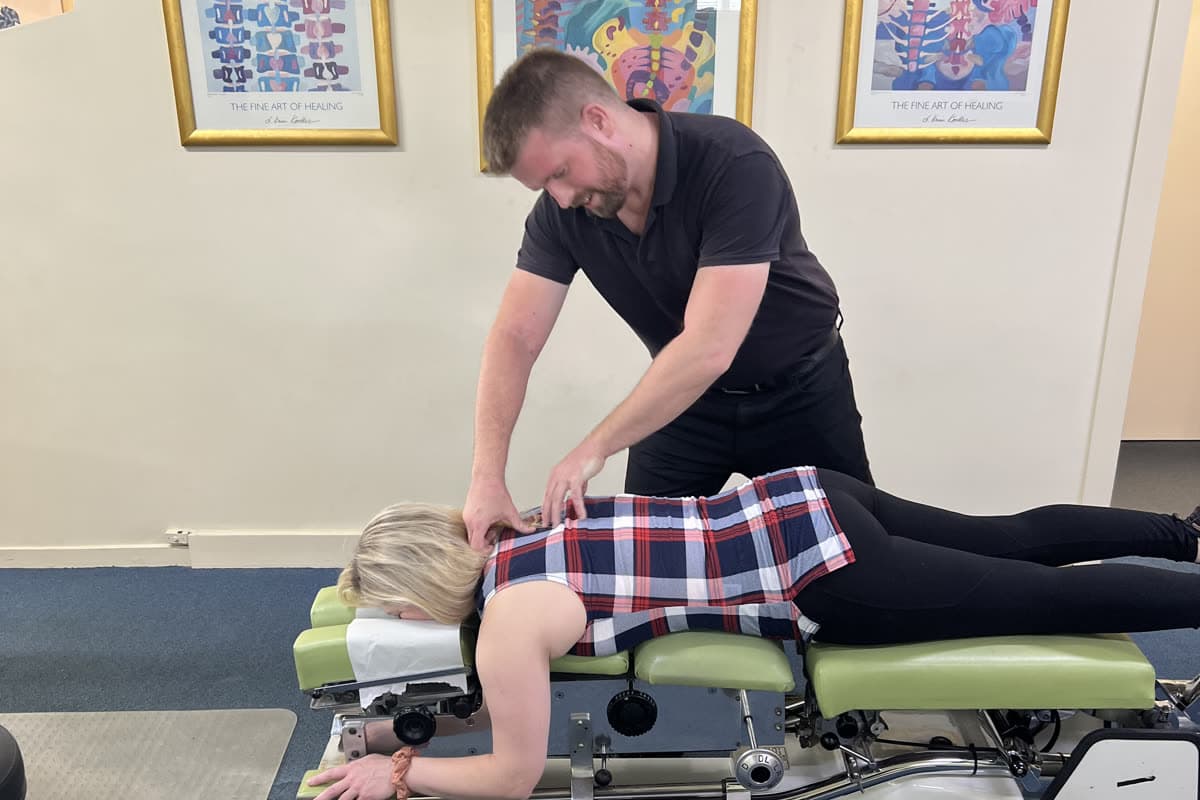
  • Thoracic spine mobilisation using gentle techniques, as research suggests thoracic mobility may contribute to shoulder pain and overhead reach.
  • Low-force shoulder and scapular work using an Activator instrument or drop-piece table where appropriate. Both are well-tolerated and suited to a guarded or irritated shoulder.
  • Diversified manual adjustment for patients comfortable with hands-on adjusting, applied to the thoracic spine, cervicothoracic junction, and scapulothoracic region as clinically indicated.
  • Soft tissue techniques for the rotator cuff, periscapular, upper trapezius, and thoracic paraspinal regions that often guard around an irritated shoulder.
  • Graded loading and postural guidance for work, sleep, and training positions, so the aggravators settle while the tissues recover.

Progress is reviewed at each visit. There are no lock-in plans, and the decision to continue is always yours. If your response to care is not what we would expect, we will reassess and, where appropriate, discuss referral pathways back to your GP, to imaging, to a surgical opinion, or to a colleague in another discipline.

Chiropractic vs other common approaches

ApproachChiropractic (here)PhysiotherapyCold Laser (same building)
Primary focusJoint, soft tissue, movement, and loadExercise rehab, loading, educationPhotobiomodulation for soft-tissue inflammation
Manual adjustmentYes. Activator, drop-piece, or diversified manualSometimes, depending on the practitionerNo. Light-based, non-manual
Soft tissue workYes, alongside adjustmentYes, alongside exerciseNot direct. Device-based therapy
Exercise prescriptionYes, graded to the shoulder and thoracic spineYes, typically the primary toolUsually paired with chiropractic or exercise
Lock-in plansNoVaries by clinicNo. Per-session pricing
Health fund rebatesYes, all major fundsYes, all major fundsNot claimable on private health insurance

If we feel you would benefit from a different approach, we will always let you know. Cold laser (ACL11 Cold Laser) operates from the same building and may be discussed during consultation when suitable.

General information only. Does not replace personalised clinical advice. Comparisons are generic and individual practitioners vary.

Why Stapleton Chiropractic

Adult-first, evidence-informed, and family-run since 1972. No lock-in plans, clear pricing, and the decision is always yours.

🏥

Est. 1972

Over five decades on Marion Road. A Plympton Park practice your family likely already knows.

📚

Evidence-informed

Care is guided by Cochrane reviews, current clinical guidelines, and musculoskeletal research. Outcomes are discussed honestly.

🔒

No lock-in plans

Pay per visit. The decision to continue is always yours, reviewed at each appointment.

💵

Transparent pricing

$69 initial consultation, $60 standard. All major health funds accepted with on-the-spot claiming where supported.

General information only. Outcomes of care vary between individuals. Results cannot be promised.

What Your First Visit Looks Like

Four straightforward steps. No paperwork marathons, no surprises.

1
📞

Book online or call

Pick a time that suits. No referral needed. $69 initial consultation.

2
📋

Brief intake

Short history form at reception, covering the pain story and any red flags.

3
🩺

Assessment

Examination of shoulder, scapula, thoracic spine, and lower neck. We explain what we find.

4
💬

Discussion & next steps

Plain-English findings and options. If care is appropriate, we discuss it. The decision is always yours.

General information only. Clinical findings and next-step options are personalised during your visit. Individual presentations vary.

Ready to speak to Dr Sam?

$69 initial consultation. No lock-in plans. All major health funds accepted.

Book a Consultation

Transparent, Affordable Fees

No lock-in plans, no pressure. Fees sit well below the South Australian average.

Initial Consultation
$69
SA avg: $122
Standard Visit
$60
SA avg: $72

Source: Australian Chiropractors Association Consultation Fee Survey 2025 (SA data). All major health funds accepted.

Warning Signs That Warrant Urgent Medical Review

Most shoulder and upper back pain is mechanical and not an emergency. A small number of presentations do need urgent medical review, because shoulder and upper back pain can occasionally be the presenting feature of something more serious.

Seek urgent medical review (GP, healthdirect 1800 022 222, or emergency department) if your shoulder or upper back pain is accompanied by any of the following:

  • Chest tightness, jaw or left-arm pain, breathlessness, sweating, or nausea. May suggest a cardiac cause, including radiating pain down the left arm.
  • Tearing or ripping pain into the upper back with severe chest pain. May suggest aortic dissection, which is a medical emergency.
  • Sudden breathlessness alongside one-sided chest or shoulder pain. May suggest a pulmonary embolism (PE), particularly after recent immobility, surgery, or long flights.
  • Persistent shoulder-tip or upper chest pain with a cough, unexplained weight loss, or smoking history. May suggest a Pancoast (apical lung) tumour that warrants prompt imaging.
  • A painful rash, often blistering, in a band-like distribution across one side of the chest or upper back. May suggest shingles (herpes zoster), which needs GP review.
  • Fever, night sweats, or unexplained weight loss alongside the pain. May suggest a spinal infection or systemic cause.
  • Progressive weakness, numbness, or clumsiness in the hands, unsteady walking, or new bowel or bladder change. May suggest cervical myelopathy or another serious neurological cause.
  • Significant trauma such as a fall from height or a motor vehicle incident, particularly with visible deformity or inability to move the arm.
  • History of cancer with new bony shoulder or upper back pain that feels different from any prior musculoskeletal pain.

If any of these apply, please do not wait for a chiropractic appointment. Contact your GP, call healthdirect on 1800 022 222, or attend your nearest emergency department. These features may indicate a condition that warrants urgent medical review, rather than a mechanical shoulder or upper back issue. When in doubt, please speak to your GP first.

General information only. This list is not exhaustive. When in doubt, seek medical review.

Ready to Get Started? We're Ready When You Are.

Choose a time that works for you. No referral needed.

Your First Visit
Dr Sam Johnson, Chiropractor at Stapleton Chiropractic Adelaide

Dr Sam Johnson (Chiropractor)

B.Sc.(Chiro), M.Chiro.(Macq)

$69

Initial Consultation

Up to 30 minutes, including full assessment

Book Your First Visit
Open 6 days All major health funds Free parking

Prefer to call? (08) 8297 5277

Text: 0400 105 454  |  Email: wecanhelp@stapletonchiropractic.com.au

You will receive a confirmation email with all details immediately after booking.

Frequently Asked Questions

Is my shoulder pain coming from my neck?
It may be. The nerves that supply the shoulder exit from the lower neck, so irritation in that region may refer pain into the shoulder, blade, or arm. A structured assessment looks at neck movement, thoracic mobility, and shoulder function together to work out where the driver sits. Research suggests many shoulder presentations have a cervicothoracic component worth checking before assuming the problem is in the joint itself.
Do I need imaging for shoulder or upper back pain?
In most cases, no. Current clinical guidelines suggest imaging is helpful when red flags are present, when there has been significant trauma, or when conservative care has not produced meaningful change over a reasonable period. Many shoulder and upper back presentations respond to assessment-led care without imaging. Dr Sam Johnson (Chiropractor) will explain if and when a referral for imaging would add useful information.
When should I see a GP instead of a chiropractor for shoulder pain?
If you have chest pain, breathlessness, unexplained weight loss, fever, severe pain after a fall, sudden weakness, numbness down the arm that is not improving, or a history of cancer, see your GP or go to the emergency department first. These presentations may suggest something outside musculoskeletal scope. Chiropractic is well suited to mechanical neck, shoulder, and upper back pain after those possibilities have been considered.
Can a chiropractor help with rotator cuff pain?
Research suggests conservative care, including manual therapy and progressive exercise, may help manage rotator cuff-related shoulder pain. A Cochrane review reported small additional benefits from manual therapy combined with exercise compared with exercise alone. Dr Sam Johnson uses gentle Activator and drop-piece techniques alongside loading work suited to the specific rotator cuff pattern. Full-thickness tears may need imaging and a surgical opinion.
What is the best sleeping position for shoulder pain?
Research suggests side-lying on the unaffected shoulder with a pillow hugged between the arms, or back-sleeping with a small pillow under the affected elbow, often reduces overnight pain. Stomach-sleeping with an arm overhead tends to compress the shoulder and is worth avoiding during a flare. Mattress firmness and pillow height for the neck also matter. Small adjustments may help considerably. Individual responses vary.
What happens at a first consultation?
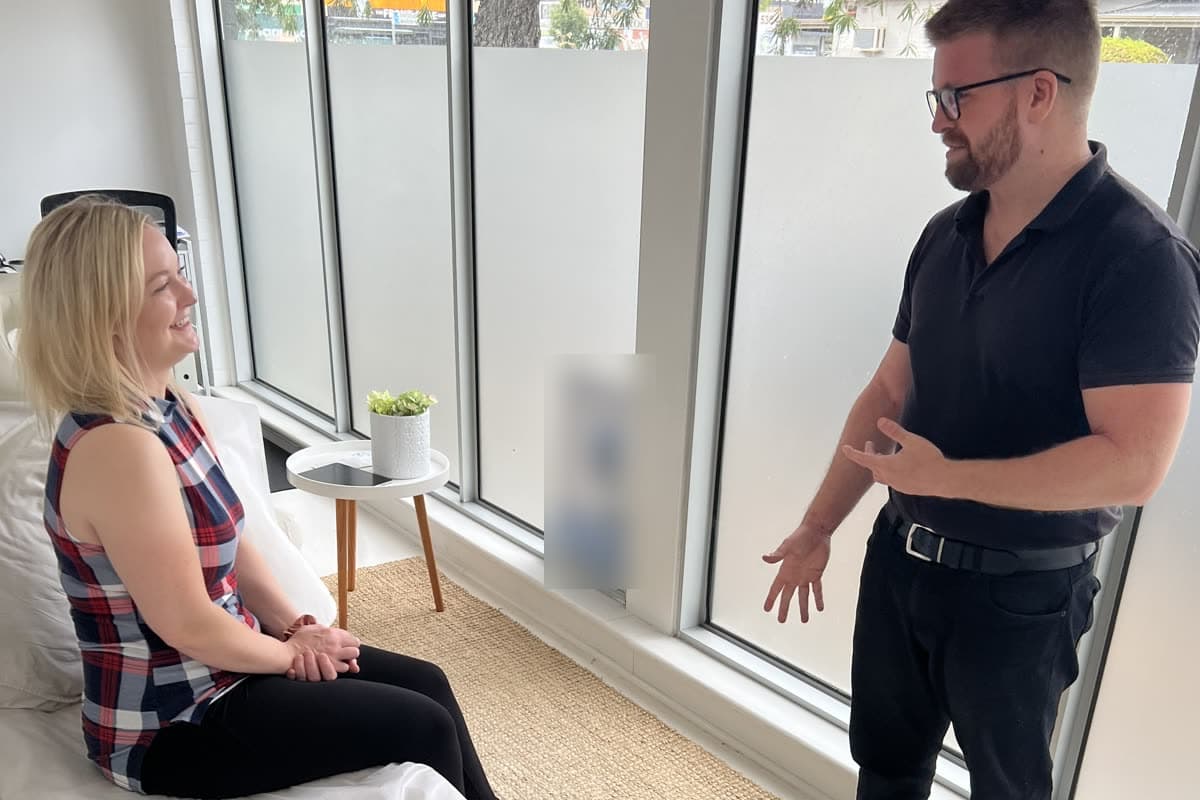
Your first visit with Dr Sam Johnson (Chiropractor) involves a history-taking conversation about your shoulder and upper back pattern and any red-flag features, a physical examination including shoulder, scapular, thoracic, and cervical screens, and a discussion of findings. If care is appropriate, options are explained including Activator, drop-piece, diversified manual adjustment, and soft tissue techniques. The decision is always yours.
How much does a chiropractic consultation cost?
The initial consultation is $69 and standard follow-up consultations are $60. There are no lock-in plans. All major health funds are accepted, with on-the-spot claiming where your fund supports it. Phone the practice on (08) 8297 5277 if you have questions before booking.
Do I need a GP referral?
No, chiropractic in Australia is a primary-contact profession, which means you can book directly without a GP referral. That said, if you have any red-flag features, please see your GP first. Coordinating care with your GP is straightforward where that makes sense for you.

Ready to Take the First Step?

Book your initial consultation with Dr Sam Johnson (Chiropractor). No referral needed. $69 initial consultation.

Book a Consultation (08) 8297 5277

Stapleton Chiropractic. Est. 1972. Clinically led by Dr Sam Johnson (Chiropractor), BSc (Chiropractic) and MChiro, Macquarie University. AHPRA-registered.

Address: 528 Marion Road, Plympton Park SA 5038   Phone: (08) 8297 5277   Hours: Mon to Fri 7am to 7pm, Sat 8am to 12pm   Email: wecanhelp@stapletonchiropractic.com.au

Scope note: We focus on the assessment and conservative management of musculoskeletal conditions. We do not make claims about non-musculoskeletal conditions.

Last clinically reviewed: April 2026 by Dr Sam Johnson (Chiropractor), BSc/MChiro, Macquarie University
author avatar
Dr Sam Johnson (Chiropractor)
Dr Sam Johnson (Chiropractor), B.Chiro.Sc (Macq), M.Chiro (Macq), is the Principal Chiropractor and Clinic Director at Stapleton Chiropractic in Plympton Park, Adelaide. He provides evidence-informed chiropractic care with a focus on musculoskeletal health, spinal movement, and functional improvement. Dr Sam Johnson (Chiropractor) works with adults, older adults, and families across all stages of life, supporting concerns such as back pain, neck pain, headaches, and postural issues. He is committed to clear communication, personalised care planning, and long-term patient outcomes.