
Rotator Cuff Pain and Shoulder Impingement ChiropractorAdelaide
If your shoulder aches down the outside of the arm when you reach overhead, catches on the way up and down, or wakes you when you lie on that side, the rotator cuff and surrounding subacromial region may be involved. At Stapleton Chiropractic in Plympton Park, Dr Sam Johnson (Chiropractor) offers evidence-informed assessment and conservative care for adult shoulder pain. $69 initial consultation. No referral needed.

Does this sound familiar?
Common rotator cuff shoulder pain patterns we hear. Tap a card for a plain-English explanation.
"Ache down the outside of my shoulder when I reach overhead on the job, and it wakes me when I roll onto that side."
"Shoulder pain that flares after a weekend of tennis, golf, or swimming and makes serving or swinging painful."
"Nothing obvious happened, but my shoulder has been sore for weeks and I cannot lie on it at night."
What Rotator Cuff Shoulder Pain Looks Like
Rotator cuff related shoulder pain typically sits down the lateral deltoid, flares with overhead reach or reaching behind the back, and commonly disturbs sleep when you lie on that side. Passive shoulder range is usually better than active range.
Typical features include:
- Location down the lateral deltoid, sometimes referring into the mid-upper arm. Pain that travels past the elbow along a clear dermatome is more typical of cervical radiculopathy than the rotator cuff.
- Aggravators including overhead reach, reaching behind the back to tuck in a shirt or fasten a bra, lifting away from the body, and lying on the affected side at night.
- Easing often with arm-supported positions, reduced overhead load, and short periods of relative rest alongside graded loading.
- Differentiation point: if passive shoulder range is globally limited in all directions (especially external rotation), frozen shoulder is more likely than rotator cuff related shoulder pain.
How We Assess It: A Cluster Approach
A structured bedside assessment may include a painful arc test, an empty can (Jobe) test, resistance testing of external rotation and abduction, a drop-arm test where appropriate, and cross-body adduction and AC joint palpation. Research suggests single shoulder tests have limited accuracy in isolation, so a cluster approach may help clarify the picture more reliably.
What the evidence base for the assessment tells us:
- Lewis 2016 argued that the older structural impingement model (Neer 1972) is not well supported by the evidence. Single orthopaedic tests have limited diagnostic accuracy in isolation, and a cluster approach combining painful arc, external rotation resistance, and empty can testing may help clarify the clinical picture.
- Hanchard et al. 2013 (Cochrane) reviewed physical tests for subacromial impingement and local rotator cuff lesions. Single-test accuracy was modest; clustering tests and combining with history pattern improves clinical reasoning.
- Contemporary framing favours rotator cuff related shoulder pain (RCRSP) as an umbrella term that does not presuppose mechanical pinching, and directs care toward graded exercise and manual therapy as first-line.
Sources: Lewis (2016) Manual Therapy 23:57. Hanchard et al. (2013) Cochrane Database Syst Rev CD007427. Neer (1972) JBJS Am 54:41 (historical framing).
What the Research Suggests
Conservative care, including rotator cuff and scapular strengthening, thoracic mobility work, and manual therapy, is the first-line approach recommended by contemporary evidence. The studies below summarise what the research suggests, not what any individual person will experience.
Beard 2018 · The Lancet (CSAW)
Arthroscopic decompression no better than placebo surgery at one year
Pragmatic three-arm RCT across 32 UK hospitals randomising 313 adults with subacromial shoulder pain to arthroscopic decompression, placebo arthroscopy, or no treatment. Neither surgical arm produced clinically important improvements on the Oxford Shoulder Score over no treatment.
Read the study →Lewis 2016 · Manual Therapy
Rotator cuff related shoulder pain (RCRSP): the contemporary framing
Synthesis paper proposing RCRSP as a clinically useful umbrella term that does not presuppose mechanical impingement. Argues exercise-based management of the rotator cuff and scapulothoracic system should be first-line, and imaging findings correlate poorly with symptoms.
Read the study →Kuhn 2013 · J Shoulder Elbow Surg (MOON)
Around 75 per cent of atraumatic full-thickness tears managed without surgery at two years
MOON Shoulder Group prospective cohort of 452 patients with atraumatic full-thickness rotator cuff tears through a structured physical therapy programme. At two-year follow-up, roughly three in four had not elected surgery and reported clinically meaningful improvements in pain and function.
Read the study →Haik 2016 · Br J Sports Med
Exercise produces clinically meaningful improvement; combined manual therapy adds short-term pain benefit
Systematic review of 23 RCTs on subacromial pain. Research suggests rotator cuff and scapular exercise produces clinically meaningful improvements in pain and function, and combining manual therapy with exercise may offer additional short-term benefit on pain compared with exercise alone.
Read the study →How Chiropractic Care May Help
Research suggests conservative care, combining rotator cuff and scapular strengthening with manual therapy, may help manage rotator cuff related shoulder pain. Care is tailored to how your shoulder, scapula, and thoracic spine respond to assessment. Individual responses vary.
At Stapleton Chiropractic, care for rotator cuff related shoulder pain typically includes:
- Detailed history and red flag screen to confirm the presentation is consistent with mechanical rotator cuff related shoulder pain and to rule out anything that warrants urgent medical review.
- Cluster-based bedside testing including painful arc, empty can (Jobe), resisted external rotation, drop-arm test where appropriate, cross-body adduction, and AC joint palpation. A cervical and upper limb neurological screen may also help rule out referred neck pain.
- Low-force adjustment using an Activator instrument or drop-piece table where appropriate, typically applied to the thoracic spine and cervicothoracic junction to address mobility restrictions that may load the shoulder.
- Diversified manual adjustment of the thoracic spine for patients comfortable with hands-on adjusting, applied where clinically indicated.
- Soft tissue techniques targeting the rotator cuff, posterior capsule region, upper trapezius, and scapular stabilisers that often guard around an irritated shoulder.
- Graded loading guidance for rotator cuff and scapular stabilisers, including how to sleep, how to reach overhead with less provocation, and how to reintroduce work or sport demands while tissues settle.
Progress is reviewed at each visit. There are no lock-in plans, and the decision to continue is always yours. If your response to care is not what we would expect, we will reassess and, where appropriate, discuss referral pathways back to your GP, to imaging, to a sports medicine physician, or to an orthopaedic surgeon if progressive weakness or traumatic full-thickness features emerge.
Chiropractic vs other common approaches
| Feature | Rotator cuff related shoulder pain | Frozen shoulder | Cervical radiculopathy | AC joint pain | Labral tear |
|---|---|---|---|---|---|
| Pain location | Lateral deltoid, sometimes mid-upper arm, rarely past the elbow | Deep in the shoulder, often diffuse, may wake at night | Neck to shoulder, into the arm, often past the elbow along a dermatome | Localised to the top of the shoulder, over the AC joint | Deep front or back of shoulder, often with clicking or catching |
| Aggravator | Overhead reach, lying on that side, reaching behind the back, lifting away from the body | Any movement in any direction, gradual global loss of range | Neck movement, certain neck positions, coughing or sneezing | Reaching across the body, carrying heavy bags, push-ups | Overhead throwing, deep catching movements, bench press |
| Range of motion | Active range limited more than passive; painful arc 60 to 120 degrees of abduction | Active and passive range globally limited, especially external rotation | Usually full shoulder range; neck range limited | Usually full range; painful at end-range cross-body reach | Range usually preserved; catching or clunking through arc |
| Neurological signs | Absent | Absent | May show dermatomal numbness, weakness, altered reflex (biceps for C5-C6) | Absent | Absent |
| Useful bedside tests | Painful arc + empty can + external rotation resistance; drop-arm for full-thickness | Passive external rotation limited to less than 50 per cent of unaffected side | Spurling, upper-limb neurodynamic test, dermatomal screen | Cross-body adduction, AC joint tenderness, O'Brien test | Active compression, anterior apprehension, biceps load |
| Night pain | Common, especially lying on the affected side | Very common, often wakes the patient | Less common unless neck-dependent position | Sometimes, when rolling onto that side | Less common |
| Typical age | 35 to 65, overhead workers and weekend athletes | 40 to 60, more common in women and in people with diabetes | Any age, more common 40 to 60 | Any age, common after falls onto the shoulder | Younger adults and overhead athletes |
| Lock-in plans | No | No | No | No | No |
If we feel you would benefit from a different approach, we will always let you know.
Why Stapleton Chiropractic
Adult-first, evidence-informed, and family-run since 1972. No lock-in plans, clear pricing, and the decision is always yours.
Est. 1972
Over five decades on Marion Road. A Plympton Park practice your family likely already knows.
Evidence-informed
Care is guided by Cochrane reviews, Lancet RCTs, and current clinical research. Outcomes are discussed honestly.
No lock-in plans
Pay per visit. The decision to continue is always yours, reviewed at each appointment.
Transparent pricing
$69 initial consultation, $60 standard. All major health funds accepted with on-the-spot claiming where supported.
Low-force options
Activator and drop-piece techniques available for patients who prefer a quieter, instrument-assisted approach.
Cluster-based assessment
Painful arc, empty can, resisted external rotation, and drop-arm testing combined with a cervical and AC joint screen.
Dr Sam Johnson (Chiropractor)
BSc (Chiropractic) and MChiro, Macquarie University. AHPRA-registered. Adult-first practice.
What Your First Visit Looks Like
Four straightforward steps. No paperwork marathons, no surprises.
Book online or call
Pick a time that suits. No referral needed. $69 initial consultation.
Brief intake
Short history form at reception, covering the pain story, any red flags, and functional limits.
Cluster assessment
Examination including painful arc, empty can (Jobe), resisted external rotation, drop-arm test where appropriate, plus cervical and AC joint screen.
Discussion & next steps
Plain-English findings and options. If care is appropriate, we discuss it. The decision is always yours.
Research suggests single orthopaedic shoulder tests have limited accuracy in isolation, so a cluster approach combining painful arc, external rotation resistance, and empty can testing may help clarify the clinical picture (Lewis 2016).
Ready to speak to Dr Sam?
$69 initial consultation. No lock-in plans. All major health funds accepted.
Book a ConsultationTransparent Affordable Fees
No lock-in plans, no pressure. Fees sit well below the South Australian average.
Source: Australian Chiropractors Association Consultation Fee Survey 2025 (SA data). All major health funds accepted.
Prefer a quick chat first?
Call the practice on (08) 8297 5277 to ask questions before booking. Weekdays 7am to 7pm, Saturday 8am to 12pm.
(08) 8297 5277Warning Signs That Warrant Urgent Medical Review
Most rotator cuff related shoulder pain is mechanical and not an emergency. A small number of presentations do need urgent medical review.
Please see your GP, or present to your nearest emergency department, if you have shoulder pain alongside any of the following:
- Traumatic loss of active elevation, meaning a recent fall or wrench after which you cannot actively lift the arm. This may indicate a massive rotator cuff tear.
- Deformity or dropped shoulder contour after trauma, which may indicate a fracture or dislocation.
- Referred cardiac symptoms, including left shoulder or arm pain alongside chest tightness, jaw ache, sweating, nausea, or shortness of breath. Treat these as a medical emergency.
- Progressive weakness in the arm or hand, or new numbness and tingling.
- Fever alongside shoulder pain and a recent unwell period, which may indicate infection.
- Unexplained weight loss over weeks to months.
- History of cancer, particularly if the shoulder pain feels different from any prior musculoskeletal pain.
If any of these apply, contact your GP, call healthdirect on 1800 022 222, or attend your nearest emergency department. For suspected cardiac symptoms, call triple zero (000). These features may indicate a condition that warrants urgent medical review, rather than a mechanical rotator cuff issue. When in doubt, please speak to your GP first.
Not sure if chiropractic is right for you?
Book a $69 initial consultation. If it is not the right fit, we will say so and point you toward better options.
Book a ConsultationReady to Get Started? We're Ready When You Are.
Choose a time that works for you. No referral needed.
Dr Sam Johnson (Chiropractor)
B.Sc.(Chiro), M.Chiro.(Macq)
$69
Initial Consultation
Up to 30 minutes, including full assessment
Book Your First VisitPrefer to call? (08) 8297 5277
Text: 0400 105 454 | Email: wecanhelp@stapletonchiropractic.com.au
You will receive a confirmation email with all details immediately after booking.
Frequently Asked Questions
What is rotator cuff related shoulder pain, and is it the same as shoulder impingement?
Can a chiropractor help with rotator cuff pain?
Do I need surgery for shoulder impingement?
How is rotator cuff pain different from frozen shoulder?
Why does my shoulder hurt when I lie on it at night?
What happens at a first consultation?
How much does it cost?
When should I see a GP instead of a chiropractor?
Ready to Take the First Step?
Book your initial consultation with Dr Sam Johnson (Chiropractor). No referral needed. $69 initial consultation.
Stapleton Chiropractic. Est. 1972. Clinically led by Dr Sam Johnson (Chiropractor), BSc (Chiropractic) and MChiro, Macquarie University. AHPRA-registered.
Address: 528 Marion Road, Plympton Park SA 5038 Phone: (08) 8297 5277 Hours: Mon to Fri 7am to 7pm, Sat 8am to 12pm Email: wecanhelp@stapletonchiropractic.com.au
Scope note: We focus on the assessment and conservative management of musculoskeletal conditions. We do not make claims about non-musculoskeletal conditions.
What to Expect at Your First Visit
Stapleton Chiropractic is an evidence-based chiropractic practice at 528 Marion Road, Plympton Park, Adelaide (Est. 1972). An initial consultation costs $69 and includes a comprehensive 30-minute hands-on assessment. All major health funds accepted; no referral needed.
Allow up to 30 minutes for a comprehensive initial consultation. Here is how it works.
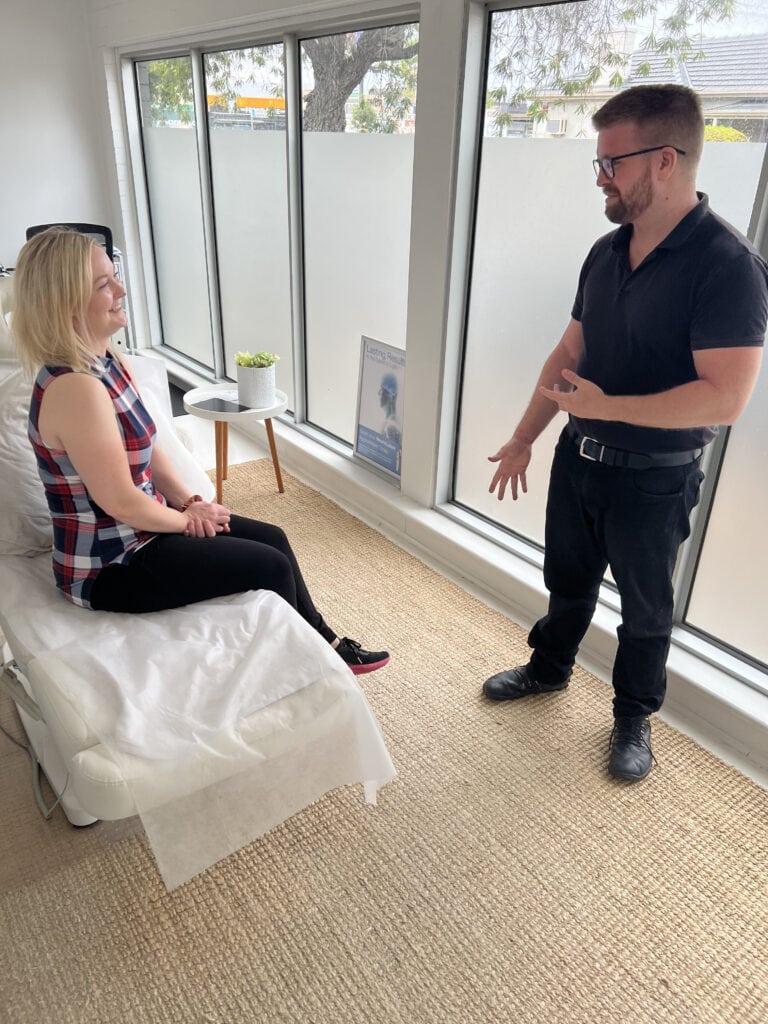
You Tell Us
We listen carefully, ask the right questions, and build a clear picture of what has been going on.
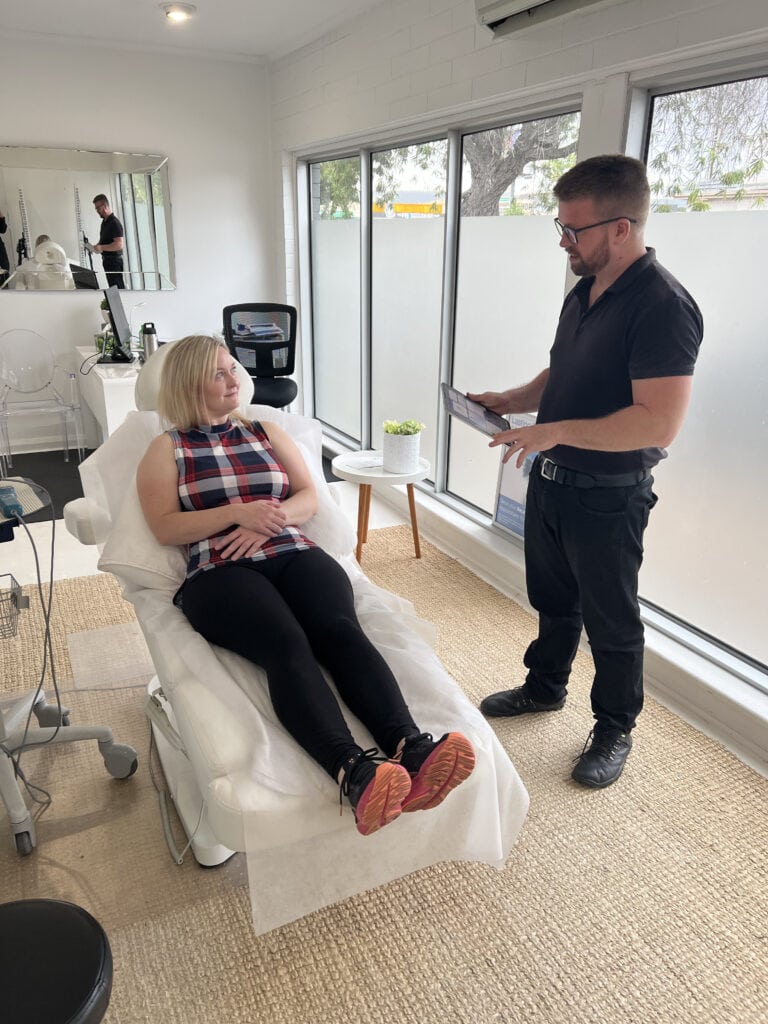
We Assess
Hands-on testing and biostructural analysis to identify what may be contributing to your concern.
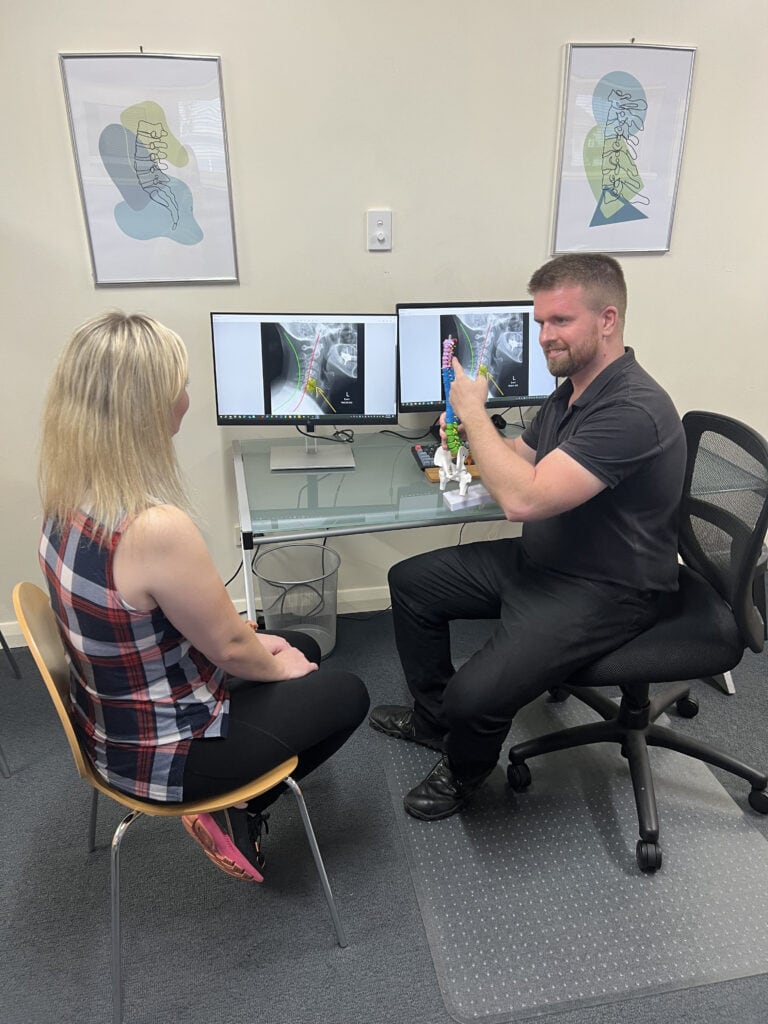
We Explain
We walk you through our findings and your options in plain language. If imaging is recommended, we will explain why and discuss your options.
X-rays are only referred for with your consent, and where eligible, may be bulk billed.*
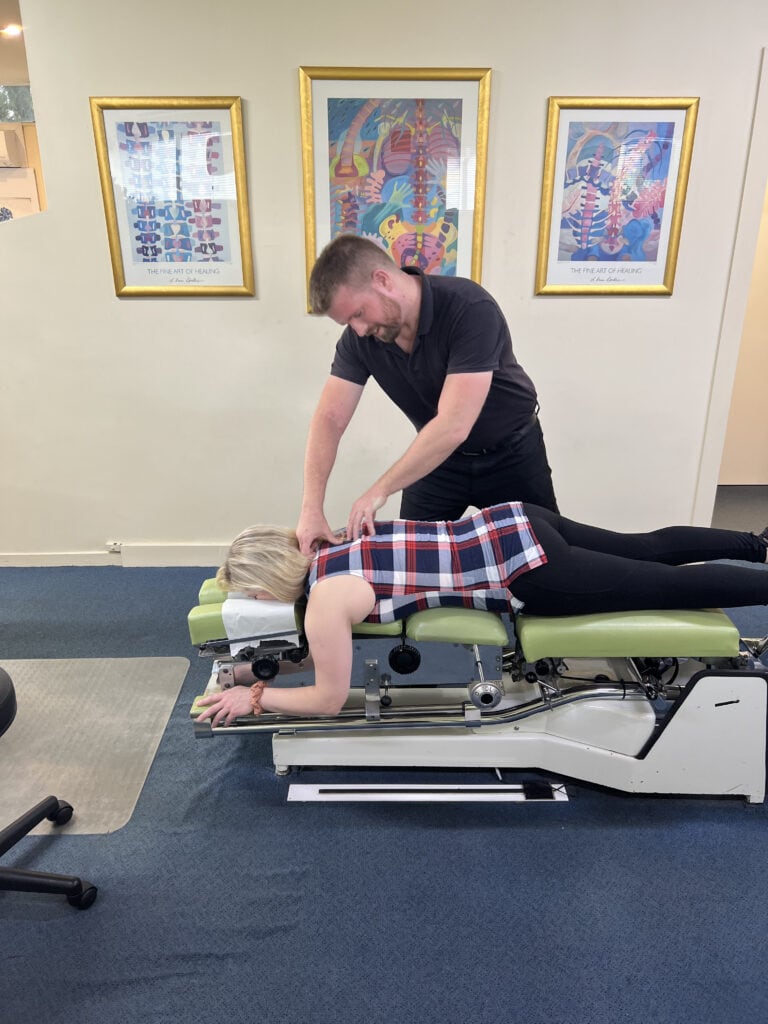
Care May Begin
Where clinically appropriate, care may begin on your first visit to help support relief.*
We offer both traditional hands-on chiropractic techniques and gentle, low-force approaches, tailored to your comfort. Care only proceeds with your consent.
Ready to Get Started?
Your first visit takes about 30 minutes. No referral needed, no lock-in plans. The decision is always yours.
Book Your First Visit*Subject to clinical assessment and suitability criteria. Bulk billing subject to eligibility criteria and clinical need.
Transparent Affordable Fees
Source: Australian Chiropractors Association Consultation Fee Survey 2025 (SA data). *Care provided where clinically appropriate, subject to assessment.
Care that fits your day
528 Marion Road, Plympton Park SA 5038
Ready to Get Started? We're Ready When You Are.
Choose a time that works for you. No referral needed.

Dr Sam Johnson (Chiropractor)
B.Sc.(Chiro), M.Chiro.(Macq)
$69
Initial Consultation
Up to 30 minutes, including full assessment
Book Your First VisitPrefer to call? (08) 8297 5277
Text: 0400 105 454 | Email: wecanhelp@stapletonchiropractic.com.au
You will receive a confirmation email with all details immediately after booking.