Scoliosis Assessment and Conservative Care in Adelaide
Scoliosis affects roughly 1 in 50 Australians, and living with a curved spine can mean persistent back pain, muscle fatigue, and difficulty staying comfortable through a working day. Whether you were diagnosed as a teenager and still manage symptoms as an adult, or you are noticing new stiffness and asymmetry later in life, a thorough spinal assessment is the starting point.
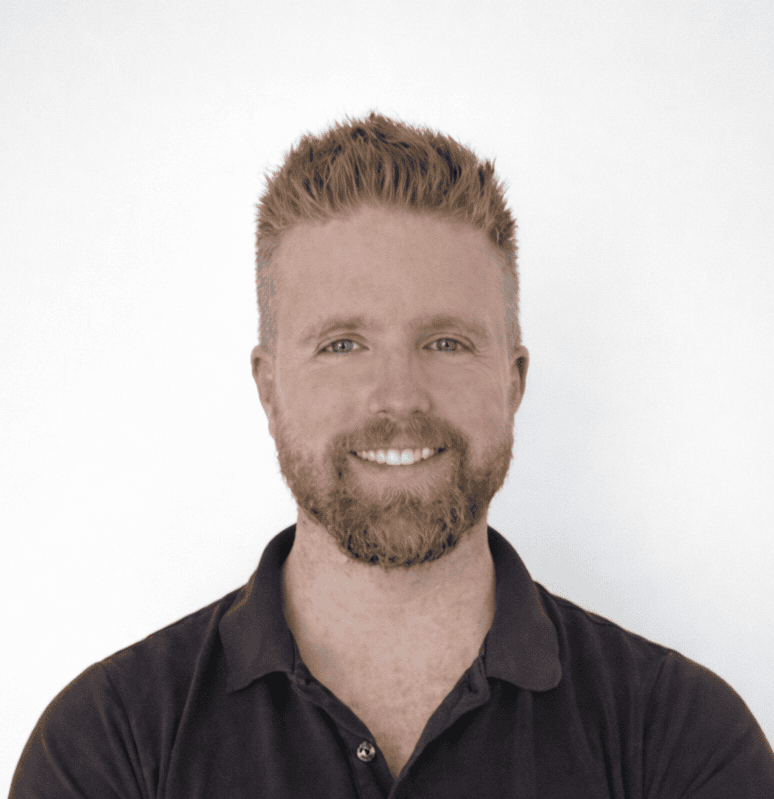
At Stapleton Chiropractic, Dr Sam Johnson (Chiropractor) provides detailed scoliosis assessments, conservative pain management, and ongoing monitoring. We focus on what we can help with – reducing discomfort, maintaining mobility, and supporting your quality of life – while being upfront about when referral is the right path. Your first visit is $69.
Trusted by patients across Adelaide's southern suburbs since 1972. AHPRA registered. Evidence-informed approach. No lock-in plans.
Does This Sound Familiar?
Scoliosis may be associated with a range of everyday symptoms. Some of the experiences below may feel familiar.
One-sided pain that builds through the day at your desk or during physical work
Stiffness and fatigue that makes it hard to find a comfortable position
Diagnosed years ago but now the pain is getting worse with age
Feeling uneven during exercise, like one side works harder than the other
Worried about your child's uneven shoulders or posture after school screening
Unsure what helps and whether chiropractic is even appropriate for scoliosis
Your First Scoliosis Assessment – $69
A thorough assessment to understand your scoliosis, its impact on your function, and what options may help. Where clinically appropriate, hands-on care is included on the same day.
Detailed History
When your scoliosis was diagnosed, previous treatment, how it affects daily life. Bring any existing imaging.
Postural Assessment
Assessment from multiple angles, including Adams forward bend test, shoulder and hip symmetry, rib prominence, and spinal alignment.
Range of Motion and Neurological Screening
Testing areas of restriction, joint mobility, muscle tension patterns, and screening for nerve involvement.
Clear Explanation and Plan
We explain our findings clearly and discuss whether conservative care is appropriate. If referral is warranted, we facilitate that process.
Hands-On Care (If Appropriate)
Where the assessment supports it, gentle treatment begins the same visit. Activator, drop-piece, or soft tissue approaches available.
Why Patients Choose Stapleton Chiropractic for Scoliosis
🏛️ Established 1972
Over 50 years of continuous practice from the same Marion Road location. Stapleton Chiropractic has been assessing and managing spinal conditions in the Plympton Park community since 1972.
🎓 Evidence-Informed
Dr Sam Johnson (Chiropractor) holds a Bachelor of Science (Chiropractic) and Master of Chiropractic from Macquarie University, is AHPRA registered, and takes an evidence-informed approach. We are upfront about what conservative care can and cannot do for scoliosis.
📍 Convenient and Accessible
Open 7am to 7pm Monday to Friday and Saturday mornings. Free on-site parking. Located on Marion Road – on the commuter route between the city and the southern suburbs. All major private health funds accepted.
Who We See for Scoliosis Assessment
Scoliosis presents differently depending on your age, activity level, and daily demands. Below are common presentations we assess.
👨👩👧 Parents of Teenagers
What you might be experiencing:
- Worry after a school scoliosis screening or noticing uneven shoulders
- Uncertainty about whether the curve will progress or stay stable
- Confusion about the difference between monitoring, bracing, and surgery
- Wanting a professional opinion before deciding on a course of action
Adolescent idiopathic scoliosis is most commonly identified between ages 10 and 18, during periods of rapid growth. Most curves are mild and do not require active treatment, but monitoring during growth is important to track any progression.
The Stapleton Chiropractic connection: We provide thorough spinal assessments for adolescents, including postural evaluation and range of motion testing. If imaging is clinically indicated, we can refer for X-rays. Where a curve requires management beyond conservative care, we facilitate that referral.
💻 Office Workers with Scoliosis
What you might be experiencing:
- One-sided back pain that builds through the day at your desk
- Difficulty finding a comfortable sitting position
- Muscle fatigue on one side of the back or between the shoulder blades
- Stiffness and aching that seems worse on work days
Scoliosis creates asymmetric loading on the spine, which sustained sitting amplifies. The muscles on the concave side work harder to maintain posture, leading to fatigue and discomfort that builds through a work day.
The Stapleton Chiropractic connection: We assess how your scoliosis interacts with your work posture and movement patterns. The focus is on managing pain and stiffness through hands-on care, practical ergonomic recommendations, and targeted exercises. Our extended hours fit around your work schedule.
🏃 Active Adults Managing Scoliosis
What you might be experiencing:
- Back pain or stiffness during or after exercise
- Feeling like one side of your body works harder than the other
- Reduced flexibility or range of motion in your spine
- Concern about whether exercise is safe with a curved spine
Staying active with scoliosis is generally encouraged. International SOSORT guidelines recommend exercise as part of comprehensive scoliosis management. However, asymmetric loading can lead to muscle imbalances and discomfort during certain movements.
The Stapleton Chiropractic connection: We focus on identifying movement restrictions, muscle imbalances, and areas of the spine that may benefit from manual therapy. We can provide guidance on exercises that may support your spinal function.
🧓 Older Adults with Degenerative Scoliosis
What you might be experiencing:
- Increasing back stiffness and pain that has developed or worsened over years
- Difficulty standing upright for extended periods
- Pain that radiates into the buttocks or legs
- Noticeable lean or shift in your posture
Degenerative scoliosis develops in adulthood as disc and joint changes alter spinal alignment. Research suggests conservative care including exercise and physical therapy may be associated with improvements in pain and functional ability. Individual responses vary.
The Stapleton Chiropractic connection: We assess degenerative scoliosis with a focus on pain management, joint mobility, and functional capacity. Our approach uses gentle, low-force techniques appropriate for older spines. We work alongside your GP and other practitioners.
👷 Physical Workers with Scoliosis
What you might be experiencing:
- Back pain that flares with heavy lifting, bending, or sustained physical work
- Muscle fatigue on one side that comes on faster than it should
- Difficulty with repetitive tasks that load the spine asymmetrically
- Worry about whether your back can handle the demands of your job long-term
Physical work places significant demand on the spine, and scoliosis creates uneven load distribution that can accelerate fatigue and discomfort. Asymmetric muscle activation means physical workers with scoliosis may experience one-sided pain more quickly.
The Stapleton Chiropractic connection: We assess how your scoliosis interacts with your occupational loading. We focus on managing pain, maintaining mobility, and providing practical strategies. Our extended hours mean you can get in without missing a shift.
What Causes Scoliosis?
Scoliosis is a lateral curvature of the spine, typically measuring 10 degrees or more on X-ray. Around 80% of cases have no identifiable cause – classified as idiopathic. Understanding the type of scoliosis is important for determining the most appropriate management approach.
🧬 Idiopathic Scoliosis
The most common type (approximately 80% of cases). Adolescent idiopathic scoliosis typically develops between ages 10 and 18 during growth spurts. The cause remains unclear, though genetic, hormonal, and biomechanical factors may play a role. Affects roughly 1.9% of Australians, with higher prevalence in females.
📐 Degenerative Scoliosis
Develops in adulthood, typically after age 40, from disc degeneration, facet joint changes, and ligament laxity. Often associated with spinal stenosis, stiffness, and back pain. Conservative care including exercise and manual therapy may help manage associated symptoms. Individual responses vary.
🦴 Congenital Scoliosis
Present from birth, caused by vertebral malformations during foetal development. Typically identified early and managed by paediatric spinal teams. Chiropractic care is not a primary management approach, though associated musculoskeletal discomfort may be assessed.
🧠 Neuromuscular Scoliosis
Associated with conditions affecting nerves and muscles, including cerebral palsy and muscular dystrophy. The curve develops because muscles supporting the spine cannot maintain alignment. Management is typically coordinated through a medical team.
⚖️ Functional (Non-Structural)
A temporary curve caused by factors outside the spine itself – muscle spasm, leg length difference, or pain-related guarding. Unlike structural scoliosis, the curve typically resolves when the underlying cause is addressed.
🔄 Secondary or Post-Surgical
May develop or worsen following spinal surgery, trauma, or conditions like osteoporosis that compromise vertebral integrity. Associated pain and stiffness may respond to conservative management alongside oversight from your treating team.
*Individual responses to care vary. All management is subject to clinical assessment and individual suitability.
⚠️ When Scoliosis Needs Urgent or Specialist Attention
If you or your child experience any of the following, seek prompt medical attention:
- Rapidly progressing curve in a growing adolescent
- Severe or worsening back pain not responding to conservative care
- Numbness, tingling, or weakness in the legs
- Difficulty breathing or reduced lung capacity
- Loss of bladder or bowel control – seek emergency care (call 000)
- Noticeable change in balance or walking pattern
- Curve greater than 40–50 degrees (referral for surgical consideration)
At Stapleton Chiropractic, we screen for these indicators as part of every scoliosis assessment. If referral is appropriate, we facilitate that process.
How Scoliosis Connects to Other Conditions
Scoliosis and Back Pain
Scoliosis and back pain frequently coexist, though not everyone with scoliosis experiences pain. The asymmetric loading can lead to muscle imbalances, facet joint irritation, and disc-related discomfort – particularly in the lumbar spine. Understanding whether your pain relates to the curve, spinal degeneration, or other mechanical factors is key to effective management.
Scoliosis and Posture
Scoliosis creates visible postural asymmetry – uneven shoulders, shifted ribcage, hip imbalance. These compensatory patterns can contribute to pain and fatigue in areas away from the primary curve, including the neck and hips. A thorough assessment considers the whole kinetic chain.
Book Your Scoliosis Assessment
Whether you are managing long-standing scoliosis, dealing with new symptoms, or seeking a professional assessment for your child, we provide thorough, honest spinal assessments. No referral needed. No lock-in plans.
Dr Sam Johnson
Chiropractor – Stapleton Chiropractic
$69 initial consultation
Mon–Fri 7am–7pm · Sat 8am–12pm
Book Online – Choose a Timeor call (08) 8297 5277
How Much Does a Chiropractor for Scoliosis Cost in Adelaide?
Based on the ACA Fee Survey 2025, Stapleton Chiropractic is well below the South Australian average.
$69
Stapleton Initial
$122
SA Average Initial
Standard visits: $60 (SA average: $71)
Source: Australian Chiropractors Association Fee Survey 2025. All major private health funds accepted.
What Does the Research Say?
Evidence for chiropractic care in scoliosis management is developing. The strongest support is for conservative approaches combining manual therapy with exercise. We present the current evidence transparently so you can make an informed decision.
Sun et al. – Spinal Manual Therapy for Adolescent Idiopathic Scoliosis
A systematic review and meta-analysis of 4 RCTs (213 patients). Combined manual therapy and standard care showed significant improvement (P<0.00001), while standalone manual therapy showed no significant benefit. Very low quality evidence overall. Individual responses vary.
Biomed Res Int, 2023. PMID: 36644168Negrini et al. – SOSORT Guidelines on Scoliosis Management
Developed by 22 international experts, providing 68 evidence-based recommendations on conservative scoliosis management. Recommends physiotherapeutic scoliosis-specific exercises and bracing during growth, emphasising regular assessment and a multidisciplinary approach.
Scoliosis Spinal Disorders, 2018, 13:3. PMID: 29435499Bayram et al. – Conservative Treatment in Adult Degenerative Scoliosis
A prospective study of 30 patients found conservative care including physical therapy was associated with significant improvements in pain (VAS, p<0.001), disability (p=0.001), and quality of life. Small sample size warrants consideration. Individual responses vary.
Maedica (Bucur), 2024. PMID: 38736938Prevalence of Scoliosis in Australia and Globally
Adolescent idiopathic scoliosis has an estimated prevalence of 1.9% in Australia. Global prevalence ranges from 0.47% to 5.2%. Approximately 80% of cases are idiopathic. Of those diagnosed, approximately 10% require conservative treatment and 0.1–0.3% require surgical intervention.
Frontiers in Pediatrics, 2024 (meta-analysis)*All care is provided subject to clinical assessment and individual suitability. Individual responses to treatment vary.
Frequently Asked Questions About Scoliosis
Answered by Dr Sam Johnson (Chiropractor).
It depends on the type and severity. Curves under 30 degrees typically remain stable after skeletal maturity. Curves over 50 degrees may progress slowly. Degenerative scoliosis can progress gradually after age 50. Regular monitoring helps track changes and adjust management accordingly.
In most cases, staying active is one of the best things you can do. International SOSORT guidelines recommend exercise as part of comprehensive management. Swimming, walking, yoga, and targeted strengthening are generally well-tolerated. You may need to modify certain movements, but avoiding activity typically makes stiffness worse.
Most adolescent scoliosis curves are mild and do not require active treatment. The key is monitoring during growth to track progression. A professional assessment can determine the degree of curvature and establish a baseline. If the curve is significant, we will always be upfront about referral options.
Chiropractic care does not straighten a scoliotic curve. What we can help with is the associated symptoms: back pain, muscle tension, stiffness, and reduced mobility. A 2023 systematic review found manual therapy combined with standard care may contribute to improved outcomes, though more research is needed. Individual responses vary.
Your first visit is $69, which includes thorough spinal assessment and, where appropriate, hands-on care the same day. Standard visits are $60. Well below the SA average of $122 for an initial consultation. All private health funds accepted. No lock-in plans.
No. Chiropractors are primary contact practitioners in Australia. You can book directly without a referral. Bring any existing imaging to your appointment.
It depends on severity. For mild to moderate scoliosis with pain and stiffness, conservative care from a chiropractor or physiotherapist is often reasonable. For curves over 40–50 degrees or neurological symptoms, orthopaedic assessment is appropriate. If referral is the right path, we always let you know.
Through postural observation, the Adams forward bend test, and confirmed with X-rays. A curve of 10 degrees or more (Cobb angle) meets the diagnostic threshold. We conduct thorough postural and spinal assessment and can refer for imaging if clinically indicated.
Adolescent idiopathic scoliosis develops during growth (ages 10–18) with no identifiable cause. Degenerative scoliosis develops later in life from disc degeneration and joint changes. They have different progression patterns and management considerations.
Not necessarily at the first visit. Bring any existing imaging. If the clinical assessment suggests imaging would change management, we can refer for X-rays through a local radiology provider. We do not X-ray unless clinically indicated.
Yes. Thoracic scoliosis can be associated with rib cage discomfort. Lumbar scoliosis may contribute to hip pain and leg symptoms. Compensatory changes in the neck can also develop. We assess the whole spine and related areas, not just the curve.
Common presentation. Age-related changes – disc degeneration, reduced muscle strength, less activity – can amplify the asymmetric loading scoliosis creates. A curve well-compensated in youth may become symptomatic as supporting structures change. An assessment can identify what has shifted.
For growing adolescents: every 4 to 6 months during rapid growth. For adults with stable curves: annual or biannual review. For degenerative scoliosis: depends on symptom change rate. We discuss a schedule based on your individual situation.
There appears to be a genetic component, particularly for adolescent idiopathic scoliosis. If a parent or sibling has scoliosis, the risk is modestly higher. However, many people with scoliosis have no family history. Screening adolescents during growth periods is a practical step if it runs in your family.
Common Concerns About Seeing a Chiropractor for Scoliosis
🤔 "Can chiropractic straighten my curve?"
No, and we are upfront about that. What we can help with is the associated pain, stiffness, and reduced mobility. Managing symptoms and maintaining function are realistic and meaningful goals.
🤔 "Will I need to come forever?"
No lock-in plans. How often you come in is based on your response and your preferences, and progress is reviewed regularly. Individual responses vary. The decision is always yours.
🤔 "Is it safe to adjust a scoliotic spine?"
We use gentle, low-force techniques (Activator, drop-piece) that are appropriate for curved spines. We always assess first and discuss options before proceeding. If manual care is not appropriate for your situation, we will tell you.
🤔 "My GP didn't mention chiropractic"
Not all GPs are aware of what conservative manual therapy can offer for scoliosis-related symptoms. Chiropractors are primary contact practitioners – no referral needed. We are happy to communicate with your GP about your care if you would like.
Ready to Get Your Scoliosis Assessed?
Two ways to move forward. No pressure, no lock-in plans.
Mon–Fri 7am–7pm | Sat 8am–12pm | Free Parking | 528 Marion Road, Plympton Park
Take the First Step
A thorough scoliosis assessment is the starting point. Whether you need conservative care, monitoring, or referral – you will know where you stand after your first visit.
Book Your Scoliosis Assessment – $69No referral required. Same-day care where appropriate. All major health funds accepted.
Last clinically reviewed: 17 May 2026 by Dr Sam Johnson (Chiropractor), B.Sc.(Chiro), M.Chiro.(Macq), AHPRA Registered.
Dr Sam Johnson (Chiropractor)
B.Sc.(Chiro), M.Chiro. – Macquarie University. AHPRA registered. Member, Australian Chiropractors Association. In practice since 2014. Sam takes an evidence-informed approach to scoliosis assessment, focusing on honest communication about what conservative care can and cannot achieve.