
Plantar Fasciitis Chiropractor Adelaide | Plympton Park
Plantar fasciitis is irritation of the plantar fascia, the thick band of tissue running along the sole of your foot from heel to toes. It is one of the most common causes of heel pain in adults. Evidence-informed chiropractic care may help manage the pain. Individual responses vary.
Does this sound familiar?
That sharp stab in your heel on the first steps out of bed
The worst pain of the day is the first few steps each morning. It eases as you get moving, then creeps back after you have been sitting a while.
Sharp heel pain with your first steps in the morning is one of the most recognised features of plantar fasciitis, and it often eases with movement before returning after rest (Goff and Crawford, 2011, American Family Physician). A thorough assessment helps identify what may be contributing. Research suggests manual therapy may help manage plantar heel pain (Fraser et al., 2017, Journal of Manual and Manipulative Therapy). Individual responses vary.
A deep heel ache that builds the longer you are on your feet
By the end of a long shift or a big day standing, the bottom of your heel is throbbing. You find yourself shifting your weight to the outside of the foot.
Prolonged standing load is a recognised contributor to plantar heel pain. A thorough assessment helps identify what may be loading the fascia and what may settle it. Research suggests manual therapy and tailored exercise may help manage plantar heel pain (Mischke et al., 2016, Journal of Manual and Manipulative Therapy). Individual responses vary.
Heel pain that flares after a run or a long walk
You felt good during the activity, but the heel bites the next morning. You have started cutting your runs short to avoid it.
A sudden rise in running or walking load is a common trigger, and plantar fasciitis is among the more frequent running-related injuries (Kakouris et al., 2021, Journal of Sport and Health Science). Assessment looks at training load, calf and ankle flexibility, and footwear. Research suggests stretching, loading, and manual therapy may help manage symptoms. Individual responses vary.
A bruised, tender spot right under the inside of your heel
Pressing the inside of your heel finds one sore point. Hard floors, thin shoes, and going barefoot at home all make it worse.
Tenderness under the inside of the heel is a hallmark of plantar fasciitis (Goff and Crawford, 2011, American Family Physician). A thorough assessment of the heel, arch, calf, and walking pattern helps identify what may be contributing. Research suggests manual therapy and load advice may help manage symptoms. Individual responses vary.
All care is provided subject to clinical assessment and individual suitability. Individual responses to treatment vary.
What to Expect at Your First Visit
Your first visit is an unhurried assessment, not a rushed treatment. Dr Sam Johnson (Chiropractor) takes a history of your heel pain, examines how your foot, ankle, and lower limb move and load, and explains what he finds. Where appropriate, gentle treatment may begin the same visit. The decision is always yours.
- Listen and history. We talk through when the heel pain started, what makes it worse, your footwear, your work, and your activity, so the assessment targets your actual day.
- Examine and explain. A hands-on assessment of the heel, arch, calf, ankle, and walking pattern, then a plain-English explanation of what may be contributing.
- A plan that fits you. If chiropractic care is a reasonable option, we outline it together. If another approach or a referral would serve you better, we tell you. No lock-in plans.
$69 initial consultation. No referral needed. All major health funds accepted.
All care is provided subject to clinical assessment and individual suitability. Individual responses to treatment vary.
Care That Fits Your Day
Stapleton Chiropractic sits at 528 Marion Road, Plympton Park, on the Marion Road commuter corridor. Free on-site parking, open Mon to Fri 7am to 7pm and Sat 8am to 12pm, so an appointment can fit around work and the school run rather than competing with it.
- Location: 528 Marion Road, Plympton Park SA 5038
- Hours: Mon to Fri 7am to 7pm, Sat 8am to 12pm
- Parking: Free on-site parking
- Corridor: Easy from Plympton, Park Holme, Glenelg North, Morphettville, Edwardstown, Ascot Park, and Marion
What to Expect at Your First Visit
Stapleton Chiropractic is an evidence-based chiropractic practice at 528 Marion Road, Plympton Park, Adelaide (Est. 1972). An initial consultation costs $69 and includes a comprehensive 30-minute hands-on assessment. All major health funds accepted; no referral needed.
Allow up to 30 minutes for a comprehensive initial consultation. Here is how it works.
You Tell Us
We listen carefully, ask the right questions, and build a clear picture of what has been going on.
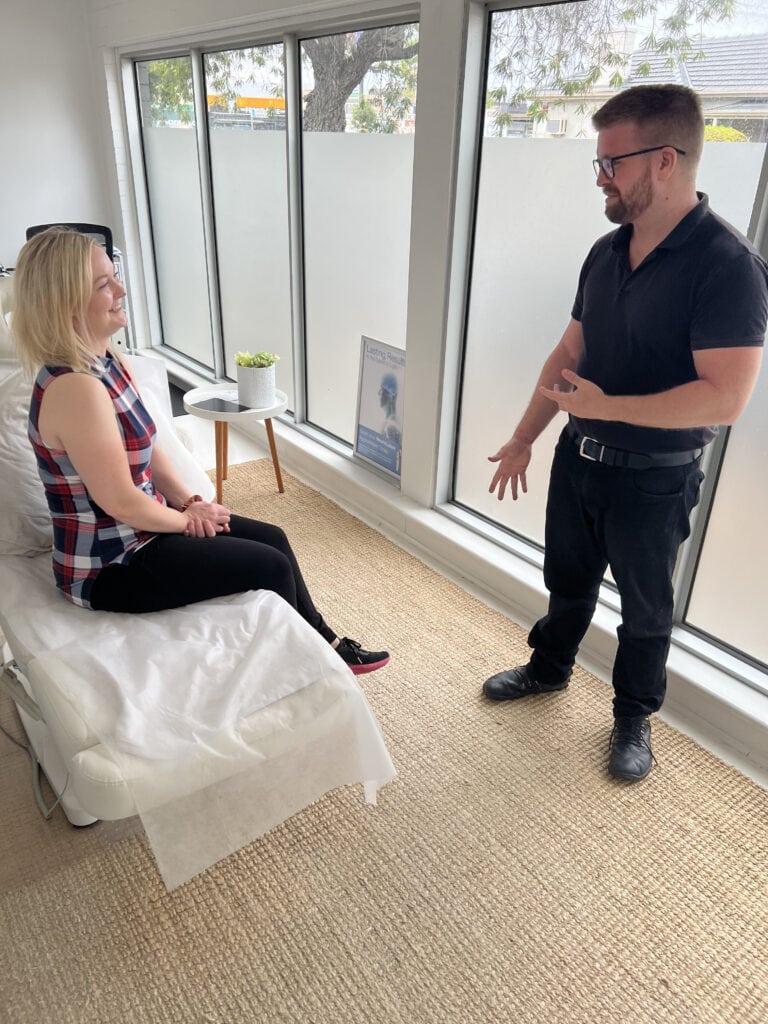
We Assess
Hands-on testing and biostructural analysis to identify what may be contributing to your concern.
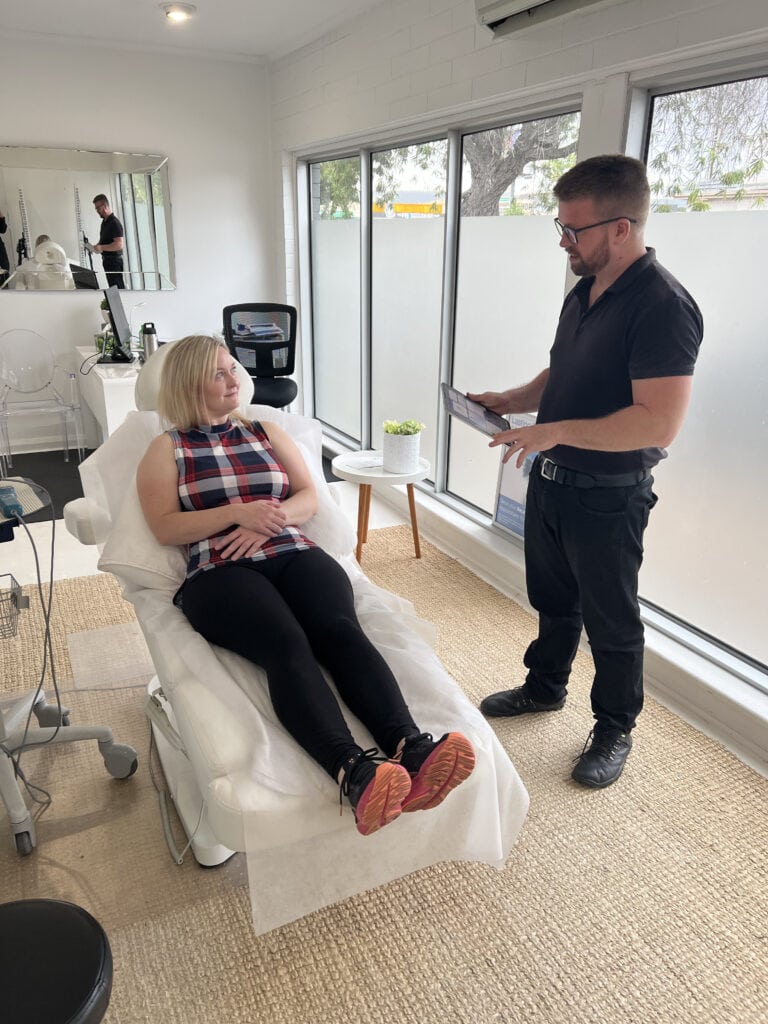
We Explain
We walk you through our findings and your options in plain language. If imaging is recommended, we will explain why and discuss your options.
X-rays are only referred for with your consent, and where eligible, may be bulk billed.*
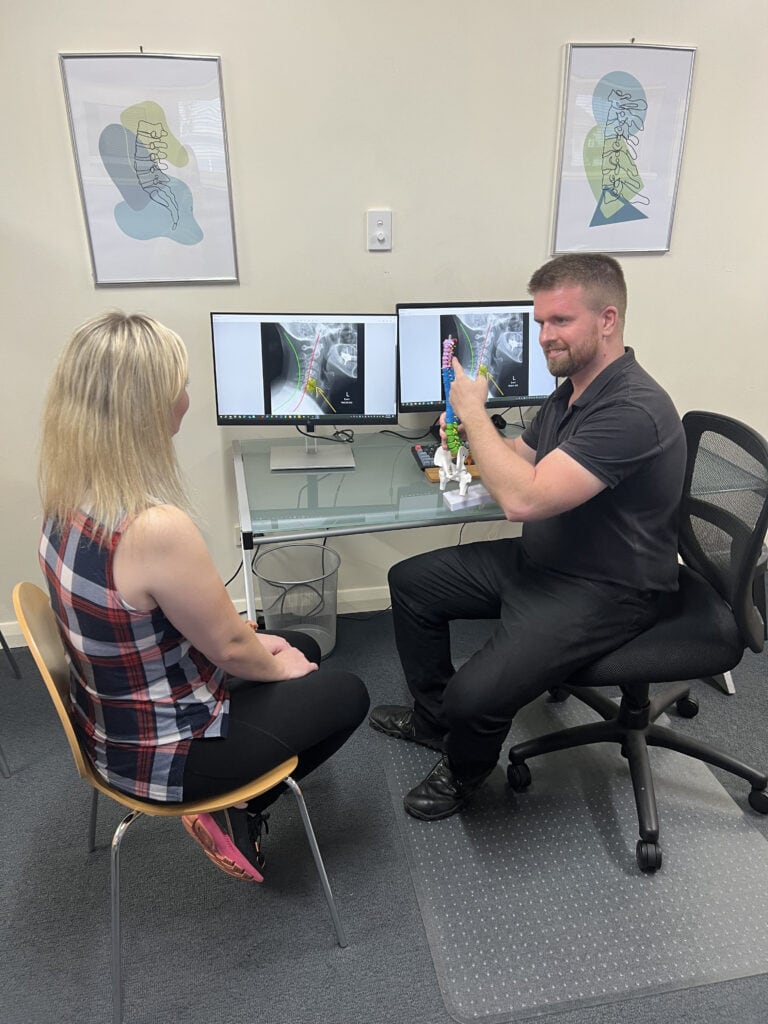
Care May Begin
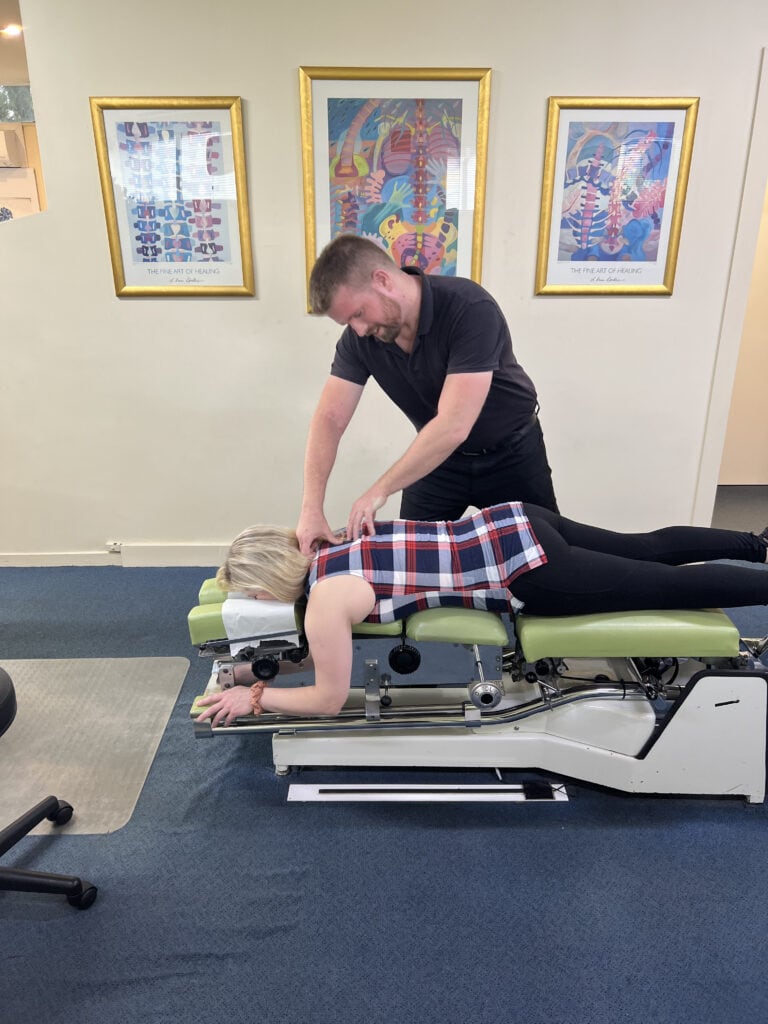
Where clinically appropriate, care may begin on your first visit to help support relief.*
We offer both traditional hands-on chiropractic techniques and gentle, low-force approaches, tailored to your comfort. Care only proceeds with your consent.
Ready to Get Started?
Your first visit takes about 30 minutes. No referral needed, no lock-in plans. The decision is always yours.
Book Your First Visit*Subject to clinical assessment and suitability criteria. Bulk billing subject to eligibility criteria and clinical need.
Transparent Affordable Fees
Source: Australian Chiropractors Association Consultation Fee Survey 2025 (SA data). *Care provided where clinically appropriate, subject to assessment.
Care that fits your day
528 Marion Road, Plympton Park SA 5038
Ready to Get Started? We're Ready When You Are.
Choose a time that works for you. No referral needed.

Dr Sam Johnson (Chiropractor)
B.Sc.(Chiro), M.Chiro.(Macq)
$69
Initial Consultation
Up to 30 minutes, including full assessment
Book Your First VisitPrefer to call? (08) 8297 5277
Text: 0400 105 454 | Email: wecanhelp@stapletonchiropractic.com.au
You will receive a confirmation email with all details immediately after booking.
All care is provided subject to clinical assessment and individual suitability. Individual responses to treatment vary.
Quick answers before you book
How much does a first visit cost?
$69 for your initial consultation. All major health funds accepted.
Do you accept private health insurance?
Yes, all major health funds accepted. Bring your health fund card and our team will assist with your claim at your visit.
Do I need a GP referral?
No referral needed. You can book directly.
Will the treatment hurt?
Gentle techniques tailored to your comfort. Dr Sam Johnson (Chiropractor) explains everything before proceeding.
Can a chiropractor really help heel pain?
A thorough assessment comes first. Research suggests manual therapy and exercise may help manage plantar heel pain, and if chiropractic care is not the right fit we will tell you. Individual responses vary.
All care is provided subject to clinical assessment and individual suitability. Individual responses to treatment vary.
Book Your First Visit
$69 initial consultation. No referral needed. No lock-in plans. The decision is always yours.
Book a ConsultationPhone: (08) 8297 5277
All care is provided subject to clinical assessment and individual suitability. Individual responses to treatment vary.
What Is Plantar Fasciitis and What Causes It?
Plantar fasciitis is irritation and overload of the plantar fascia, the strong band of connective tissue that supports the arch of your foot. According to PubMed, it is a common, usually self-limiting cause of heel pain, and most people improve with conservative care (Goff and Crawford, 2011, American Family Physician).
The plantar fascia acts like a strap along the sole of the foot, helping support the arch and absorb load every time you take a step. When the demand on that tissue outpaces what it can tolerate, the area where it attaches to the heel bone may become irritated and painful. The hallmark is sharp pain under the inside of the heel that is worst with the first steps in the morning or after sitting, then eases with movement (Goff and Crawford, 2011, American Family Physician).
Common contributing factors reported in the research include a higher body mass index, foot mechanics such as excessive pronation, a sudden jump in running or walking load, prolonged standing, and tight calf muscles. A 2021 review of reviews found that higher body mass index was a consistently reported risk factor across the literature (Rhim et al., 2021, Life).
This information is general and does not replace individual clinical assessment. Individual responses to treatment vary.
Who We Commonly Help With Plantar Fasciitis
Plantar fasciitis turns up across very different lives, from runners to people who stand all day at work. Below are some of the presentations we commonly see. Evidence-informed chiropractic care may help manage the pain, and individual responses vary.
The recreational runner
You added distance or picked up the pace, and now the heel bites the morning after a run. Plantar fasciitis is a common overuse presentation in runners, and a 2021 systematic review reported it among the more frequent running-related injuries (Kakouris et al., 2021). Assessment looks at training load, calf and ankle flexibility, and footwear. Research suggests manual therapy, stretching, and progressive loading may help manage symptoms. Individual responses vary.
The tradie or warehouse worker
On hard floors and on your feet all day, the heel pain builds through the shift and bites again the next morning. Standing load and footwear are common contributors. Assessment looks at how your foot loads through the day and what may ease the demand on the fascia. Research suggests manual therapy and tailored exercise may help manage plantar heel pain. Individual responses vary.
The nurse, teacher, or hospitality worker
Long shifts with little chance to sit leave the heel throbbing by the end of the day. Prolonged standing is a recognised contributor to plantar fasciitis. A thorough assessment helps identify what may be loading the fascia and what may settle it. Individual responses vary, and we will be honest if another approach would serve you better.
The recently more active office worker
After a sedentary stretch you started walking or running again, and the heel flared. A sudden rise in load is a common trigger. Assessment looks at how quickly load increased and how your foot and calf are coping. Research suggests stretching, loading, and manual therapy may help manage symptoms. Individual responses vary.
The active retiree
Daily walks keep you well, but morning heel pain has crept in. Plantar fasciitis becomes more common with age and with higher body weight. We assess gait, footwear, and load, and outline options together. The decision is always yours, and individual responses vary.
All care is provided subject to clinical assessment and individual suitability. Individual responses to treatment vary.
When Heel Pain Needs Urgent or Medical Review
Most heel pain is musculoskeletal and not dangerous, but some features point away from simple plantar fasciitis. If any of the signs below apply, please see your GP or an emergency service rather than booking a routine chiropractic assessment. When in doubt, get it checked.
- Heel pain after a fall or sudden injury, with inability to bear weight (may suggest a fracture)
- Numbness, pins and needles, or pain spreading into the foot or up the leg (may suggest nerve involvement)
- Redness, heat, swelling, or fever around the heel (may suggest infection, seek prompt care)
- Heel or multiple joint pain in a younger person with prolonged morning stiffness (may suggest an inflammatory condition, see your GP)
- Pain that is steadily worsening, night pain, or pain with a history of cancer (please see your GP)
This information is general and does not replace individual medical assessment. If you are unsure, see your GP or call (08) 8297 5277 and we will help you find the right pathway. All care at Stapleton Chiropractic is provided subject to clinical assessment and individual suitability.
How Chiropractic Care May Help With Plantar Fasciitis
Chiropractic care for plantar fasciitis centres on assessment, manual therapy, and load advice rather than a single quick remedy. Research suggests that manual therapy, including joint and soft tissue mobilisation, alongside stretching and progressive loading, may help manage pain and function in plantar heel pain (Fraser et al., 2017; Mischke et al., 2016). Individual responses vary.
Assessment first
A hands-on examination of the heel, arch, calf, ankle, and walking pattern to understand what may be loading the fascia, with discussion of imaging or onward referral where clinically appropriate.
All care is provided subject to clinical assessment and individual suitability. Individual responses to treatment vary.
Manual therapy
Hands-on joint and soft tissue mobilisation of the foot and ankle, which research suggests may help manage plantar heel pain (Mischke et al., 2016, Journal of Manual and Manipulative Therapy). Generally well-tolerated and non-invasive.
All care is provided subject to clinical assessment and individual suitability. Individual responses to treatment vary.
Load and exercise advice
Plantar fascia specific stretching and progressive strengthening have both been studied for plantar fasciitis and may help manage symptoms (DiGiovanni et al., 2003; Rathleff et al., 2015).
All care is provided subject to clinical assessment and individual suitability. Individual responses to treatment vary.
Footwear and daily-load guidance
Practical advice on standing load, footwear, and pacing, tailored to your work and activity.
All care is provided subject to clinical assessment and individual suitability. Individual responses to treatment vary.
Plantar Fasciitis: Comparing Common Care Options
| Approach | Typical focus | Hands-on | What to expect |
|---|---|---|---|
| Chiropractic (Stapleton) | Assessment, manual therapy, load and footwear advice, exercise | Yes | Unhurried assessment, hands-on care where appropriate, a plan that fits your day |
| Physiotherapy | Exercise prescription, load management, manual therapy | Often | Exercise-led rehabilitation, progressive loading |
| GP | Diagnosis, medication, referral, imaging if needed | No | Useful first stop for red flags, medication questions, or imaging |
This table is general information to help you understand care options, not a recommendation that one approach is superior. If we feel you would benefit from a different approach, or from seeing your GP or another practitioner, we will always tell you. The right pathway depends on your individual assessment. Individual responses to treatment vary.
Ready to find out what may be loading your heel? Book a plantar fasciitis assessment ($69). No referral needed.
Book a ConsultationAll care is provided subject to clinical assessment and individual suitability. Individual responses to treatment vary.
What the Research Says About Plantar Fasciitis Care
The evidence for conservative plantar fasciitis care is encouraging, with most people improving without surgery. According to PubMed, most people improve with conservative treatment (Goff and Crawford, 2011), and reviews support manual therapy, specific stretching, loading, and low-level laser therapy as options that may help manage symptoms. Individual responses vary.
Manual therapy may improve function in plantar fasciitis
A 2017 systematic review of randomised controlled trials reported that manual therapy was associated with improved function, and may be associated with pain reduction, in people with plantar fasciitis, and recommended combining joint and soft tissue mobilisation with stretching and strengthening (Fraser et al., 2017, Journal of Manual and Manipulative Therapy).
Individual responses to treatment vary. All care is provided subject to clinical assessment and individual suitability.
Hands-on care for plantar heel pain
A 2016 systematic review concluded that manual therapy may help in the treatment of plantar heel pain, while noting that more high-quality research is needed (Mischke et al., 2016, Journal of Manual and Manipulative Therapy).
Individual responses to treatment vary. All care is provided subject to clinical assessment and individual suitability.
Plantar fascia specific stretching
A landmark 2003 randomised trial found that a stretching program specific to the plantar fascia produced better self-reported outcomes than a standard calf-stretching program for chronic plantar heel pain (DiGiovanni et al., 2003, Journal of Bone and Joint Surgery, American volume).
Individual responses to treatment vary. All care is provided subject to clinical assessment and individual suitability.
Progressive strength training
A 2015 randomised trial reported that high-load strength training, added to shoe inserts, improved self-reported foot function at three months compared with stretching, suggesting loading the tissue may help (Rathleff et al., 2015, Scandinavian Journal of Medicine and Science in Sports).
Individual responses to treatment vary. All care is provided subject to clinical assessment and individual suitability.
"Manual therapy is clearly associated with improved function and may be associated with pain reduction in patients with plantar fasciitis." (Fraser et al., 2017, Journal of Manual and Manipulative Therapy)
"Manual therapy is effective in the treatment of plantar heel pain; however, further research is needed to validate these findings." (Mischke et al., 2016, Journal of Manual and Manipulative Therapy)
Last clinically reviewed: 21 June 2026 by Dr Sam Johnson (Chiropractor).
Plantar Fasciitis and Cold Laser Therapy
Low-level laser therapy, often called cold laser, is one option that some people ask about for stubborn heel pain. A 2022 systematic review and meta-analysis reported that low-level laser therapy may reduce pain and disability in plantar fasciitis over the short and medium term, with no adverse events reported (Naterstad et al., 2022, BMJ Open).
Cold laser therapy is offered through Adelaide Cold Laser at the same Marion Road address. It is worth asking Dr Sam Johnson (Chiropractor) during your consultation whether cold laser therapy may be an appropriate adjunct for your situation. Cold laser initial consultation is $99. Cold laser therapy does not attract a private health insurance rebate.
"Low-level laser therapy significantly reduces pain and disability in lower extremity tendinopathy and plantar fasciitis in the short and medium term." (Naterstad et al., 2022, BMJ Open)
Cold laser therapy is offered as one option that may be considered for some musculoskeletal presentations. Suitability is determined by individual clinical assessment. Individual responses to treatment vary.
Why People Choose Stapleton Chiropractic
- Est. 1972. A family practice on Marion Road for over 50 years.
- Evidence-informed care. Dr Sam Johnson (Chiropractor), BSc(Chiro), MChiro from Macquarie University.
- No lock-in plans. The decision is always yours.
- All major health funds accepted. Our team will assist with your health fund claim at your visit.
- Convenient. Free on-site parking, open Mon to Fri 7am to 7pm and Sat morning.
Book Your First Visit
$69 initial consultation. No referral needed. No lock-in plans. The decision is always yours.
Book a ConsultationPhone: (08) 8297 5277
All care is provided subject to clinical assessment and individual suitability. Individual responses to treatment vary.
Frequently Asked Questions About Plantar Fasciitis
What is plantar fasciitis?
Plantar fasciitis is irritation of the plantar fascia, the thick band of tissue along the sole of your foot. According to PubMed, it is a common and usually self-limiting cause of heel pain in adults (Goff and Crawford, 2011).
Why does my heel hurt most in the morning?
Sharp heel pain with the first steps of the day, easing as you move, is one of the most recognised features of plantar fasciitis (Goff and Crawford, 2011). It often returns after periods of sitting.
Can a chiropractor help with plantar fasciitis?
A thorough assessment comes first. Research suggests manual therapy, alongside stretching and progressive loading, may help manage plantar heel pain (Fraser et al., 2017). Individual responses vary, and we will tell you if another approach would suit you better.
How much is a first appointment?
A first visit is $69 for an initial consultation, with a standard visit at $60. All major health funds accepted.
Do I need a referral to see a chiropractor for heel pain?
No referral is needed. You can book directly, and a first visit is $69.
Will treatment hurt?
Care uses gentle techniques tailored to your comfort, and Dr Sam Johnson (Chiropractor) explains each step before proceeding. Individual responses vary.
How long does plantar fasciitis take to settle?
Plantar fasciitis is usually self-limiting and most people improve with conservative care (Goff and Crawford, 2011), though timeframes differ from person to person. We focus on your individual response rather than a fixed prediction.
What can I do at home?
Plantar fascia specific stretching and gradual loading have both been studied for plantar fasciitis and may help manage symptoms (DiGiovanni et al., 2003; Rathleff et al., 2015). Your plan would be tailored to your foot and your day.
Are my shoes making it worse?
Footwear and standing load are common contributors. Part of the assessment looks at your footwear and how your foot loads through the day, so any advice fits your actual routine.
Is it my running that caused this?
A sudden increase in running or walking load is a recognised trigger, and plantar fasciitis is among the more common running-related injuries (Kakouris et al., 2021). Assessment looks at how quickly your load changed.
Should I get a scan?
Imaging is rarely needed to diagnose plantar fasciitis and is usually reserved for unclear or stubborn cases (Goff and Crawford, 2011). Your GP can advise if a scan is warranted, and we are happy to collaborate.
What if chiropractic is not the right fit for me?
Then we will say so. If we feel you would benefit from your GP, a podiatrist, or another practitioner, we will tell you. The decision is always yours.
Straightforward Fees
| Visit | Stapleton | SA average |
|---|---|---|
| Initial consultation | $69 | $122 |
| Standard visit | $60 | $71 |
Source: Australian Chiropractors Association Consultation Fee Survey 2025 (SA data). All major health funds accepted. No lock-in plans.
Where Are You Right Now?
"Get me out of pain."
You want hands-on care and practical advice to settle the heel. Book an initial consultation and we start with assessment.
Book a Consultation"I want relief and answers."
You want a thorough assessment of why your heel is loading the way it is, and a plan that fits your work and activity.
Book a ConsultationAll care is provided subject to clinical assessment and individual suitability. Individual responses to treatment vary.
Book Your Plantar Fasciitis Consultation
$69 initial consultation. No referral needed. All major health funds accepted. The decision is always yours.
What to Expect at Your First Visit
Stapleton Chiropractic is an evidence-based chiropractic practice at 528 Marion Road, Plympton Park, Adelaide (Est. 1972). An initial consultation costs $69 and includes a comprehensive 30-minute hands-on assessment. All major health funds accepted; no referral needed.
Allow up to 30 minutes for a comprehensive initial consultation. Here is how it works.
You Tell Us
We listen carefully, ask the right questions, and build a clear picture of what has been going on.
We Assess
Hands-on testing and biostructural analysis to identify what may be contributing to your concern.
We Explain
We walk you through our findings and your options in plain language. If imaging is recommended, we will explain why and discuss your options.
X-rays are only referred for with your consent, and where eligible, may be bulk billed.*
Care May Begin
Where clinically appropriate, care may begin on your first visit to help support relief.*
We offer both traditional hands-on chiropractic techniques and gentle, low-force approaches, tailored to your comfort. Care only proceeds with your consent.
Ready to Get Started?
Your first visit takes about 30 minutes. No referral needed, no lock-in plans. The decision is always yours.
Book Your First Visit*Subject to clinical assessment and suitability criteria. Bulk billing subject to eligibility criteria and clinical need.
Transparent Affordable Fees
Source: Australian Chiropractors Association Consultation Fee Survey 2025 (SA data). *Care provided where clinically appropriate, subject to assessment.
Care that fits your day
528 Marion Road, Plympton Park SA 5038
Ready to Get Started? We're Ready When You Are.
Choose a time that works for you. No referral needed.
Dr Sam Johnson (Chiropractor)
B.Sc.(Chiro), M.Chiro.(Macq)
$69
Initial Consultation
Up to 30 minutes, including full assessment
Book Your First VisitPrefer to call? (08) 8297 5277
Text: 0400 105 454 | Email: wecanhelp@stapletonchiropractic.com.au
You will receive a confirmation email with all details immediately after booking.
Phone: (08) 8297 5277
528 Marion Road, Plympton Park SA 5038
All care is provided subject to clinical assessment and individual suitability. Individual responses to treatment vary.
References
- Goff JD, Crawford R. Diagnosis and treatment of plantar fasciitis. American Family Physician. 2011;84(6):676-82. PMID 21916393.
- Rhim HC, Kwon J, Park J, Borg-Stein J, Tenforde AS. A Systematic Review of Systematic Reviews on the Epidemiology, Evaluation, and Treatment of Plantar Fasciitis. Life (Basel). 2021;11(12):1287. PMID 34947818.
- Mischke JJ, Jayaseelan DJ, Sault JD, Emerson Kavchak AJ. The symptomatic and functional effects of manual physical therapy on plantar heel pain: a systematic review. Journal of Manual and Manipulative Therapy. 2016;25(1):3-10. PMID 28855787.
- Fraser JJ, Corbett R, Donner C, Hertel J. Does manual therapy improve pain and function in patients with plantar fasciitis? A systematic review. Journal of Manual and Manipulative Therapy. 2017;26(2):55-65. PMID 29686479.
- DiGiovanni BF, Nawoczenski DA, Lintal ME, et al. Tissue-specific plantar fascia-stretching exercise enhances outcomes in patients with chronic heel pain. Journal of Bone and Joint Surgery (American volume). 2003;85(7):1270-7. PMID 12851352.
- Rathleff MS, Molgaard CM, Fredberg U, et al. High-load strength training improves outcome in patients with plantar fasciitis: a randomized controlled trial with 12-month follow-up. Scandinavian Journal of Medicine and Science in Sports. 2015;25(3):e292-300. PMID 25145882.
- Naterstad IF, Joensen J, Bjordal JM, Couppe C, Lopes-Martins RAB, Stausholm MB. Efficacy of low-level laser therapy in patients with lower extremity tendinopathy or plantar fasciitis: systematic review and meta-analysis of randomised controlled trials. BMJ Open. 2022;12(9):e059479. PMID 36171024.
- Kakouris N, Yener N, Fong DTP. A systematic review of running-related musculoskeletal injuries in runners. Journal of Sport and Health Science. 2021;10(5):513-522. PMID 33862272.
Dr Sam Johnson (Chiropractor) | BSc(Chiro), MChiro, Macquarie University. AHPRA registered, ACA member.
Stapleton Chiropractic | Est. 1972 | 528 Marion Road, Plympton Park SA 5038
(08) 8297 5277 | Mon to Fri 7am to 7pm, Sat 8am to 12pm | All major health funds accepted
Last clinically reviewed: 21 June 2026 by Dr Sam Johnson (Chiropractor)

Last clinically reviewed: 22 April 2026 by Dr Sam Johnson (Chiropractor)