
Knee Pain Chiropractor Adelaide | Plympton Park
Knee pain is discomfort in or around the knee joint that may come from the muscles, tendons, ligaments, or joint surfaces. Evidence-informed chiropractic care may help manage some musculoskeletal causes of knee pain through assessment, manual therapy, and tailored exercise. Individual responses vary.
Does this sound familiar?
A sharp catch every time you take the stairs
Going down is worse than going up. You have started taking them one at a time, or reaching for the rail.
Knee pain on stairs is a common presentation and may relate to how the kneecap (patellofemoral joint) loads under bend. A thorough assessment helps identify what may be contributing. Research suggests exercise and manual therapy may help manage some patellofemoral presentations (Crossley et al., 2016, BJSM, Part 2). Individual responses vary.
A deep ache that settles in after you sit a while
Stand up after a long drive or a meeting and the first few steps feel stiff and sore until it loosens off.
Stiffness after sitting is often reported with patellofemoral presentations and with early joint-surface change. Assessment helps identify what may be contributing in your case. Individual responses vary.
A knee that grumbles after the weekend run or game
Fine while you are moving, then swollen and tender that night and the next morning. You are starting to hold back.
Load-related knee pain is common in runners and people returning to sport, and tailored exercise and load management may help manage some presentations. Individual responses vary.
A knee that feels like it might give way or lock
A sense of instability, catching, or not quite trusting the joint on uneven ground. Something does not feel right.
A knee that locks or gives way after an injury needs careful assessment, and sometimes onward referral. We will tell you if that applies to you. Individual responses vary.
All care is provided subject to clinical assessment and individual suitability. Individual responses to treatment vary.
What to Expect at Your First Visit
Your first visit is an unhurried assessment, not a rushed adjustment. Dr Sam Johnson (Chiropractor) takes a history, examines how your knee moves and loads, and checks the hip, ankle, and lower back that may contribute. You will then talk through whether chiropractic care may be appropriate for you.
- Listen and history. We start with your story: when the knee pain began, what aggravates and eases it, and how it affects your day. About 30 minutes is set aside.
- Examine and assess. A physical assessment of knee movement, strength, and the surrounding joints (hip, ankle, lower back) that may be involved. Where clinically appropriate, we discuss whether imaging or onward referral is warranted.
- Discuss your options. We explain what we found in plain English and talk through whether chiropractic care, exercise, or another pathway may suit you. The decision is always yours. No lock-in plans.
$69 initial consultation. All major health funds accepted.
All care is provided subject to clinical assessment and individual suitability. Individual responses to treatment vary.
Care That Fits Your Day
Stapleton Chiropractic sits on Marion Road in Plympton Park, a major north to south commuter corridor. It is an easy stop on your way home for people across Plympton, Park Holme, Glenelg North, Morphettville, Edwardstown, Ascot Park, and Marion. Free on-site parking.
- Location: 528 Marion Road, Plympton Park SA 5038
- Hours: Mon to Fri 7am to 7pm, Sat 8am to 12pm
- Parking: Free on-site parking
- Corridor: On the Marion Road commuter route, convenient before or after work
What to Expect at Your First Visit
Stapleton Chiropractic is an evidence-based chiropractic practice at 528 Marion Road, Plympton Park, Adelaide (Est. 1972). An initial consultation costs $69 and includes a comprehensive 30-minute hands-on assessment. All major health funds accepted; no referral needed.
Allow up to 30 minutes for a comprehensive initial consultation. Here is how it works.
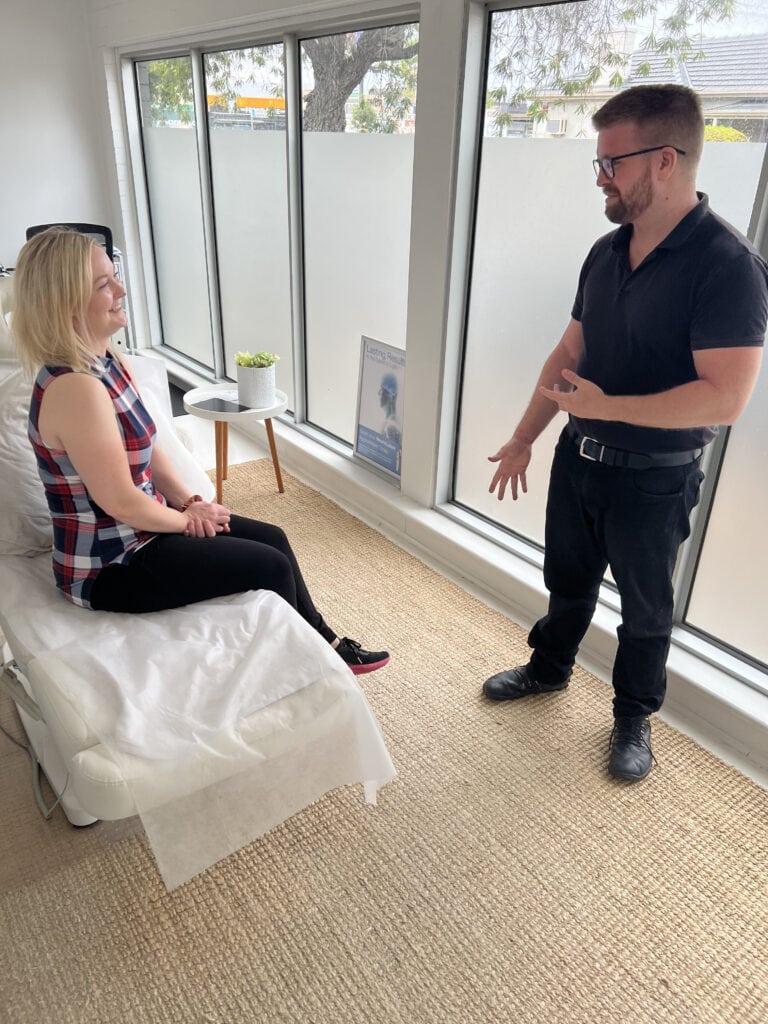
You Tell Us
We listen carefully, ask the right questions, and build a clear picture of what has been going on.
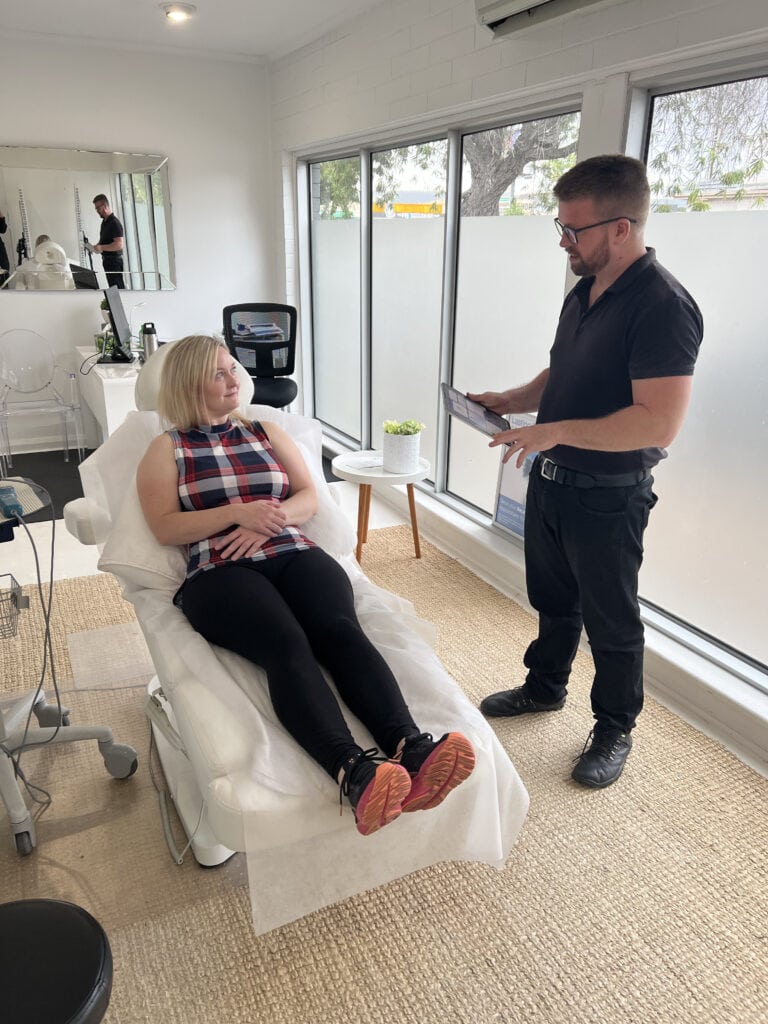
We Assess
Hands-on testing and biostructural analysis to identify what may be contributing to your concern.
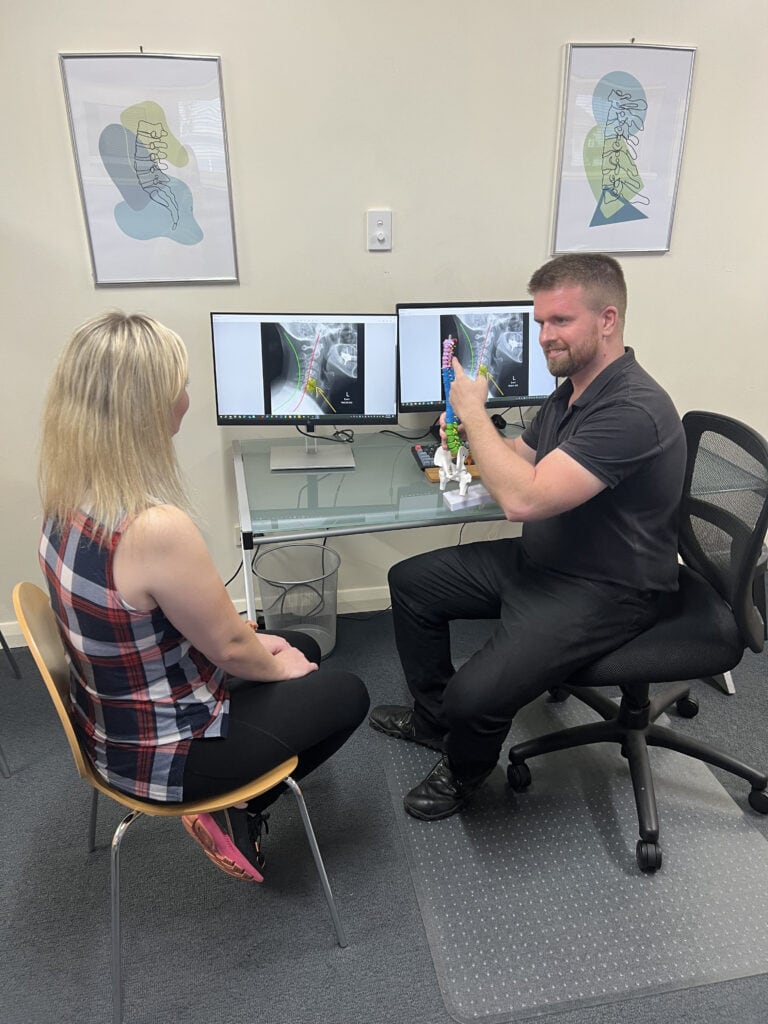
We Explain
We walk you through our findings and your options in plain language. If imaging is recommended, we will explain why and discuss your options.
X-rays are only referred for with your consent, and where eligible, may be bulk billed.*
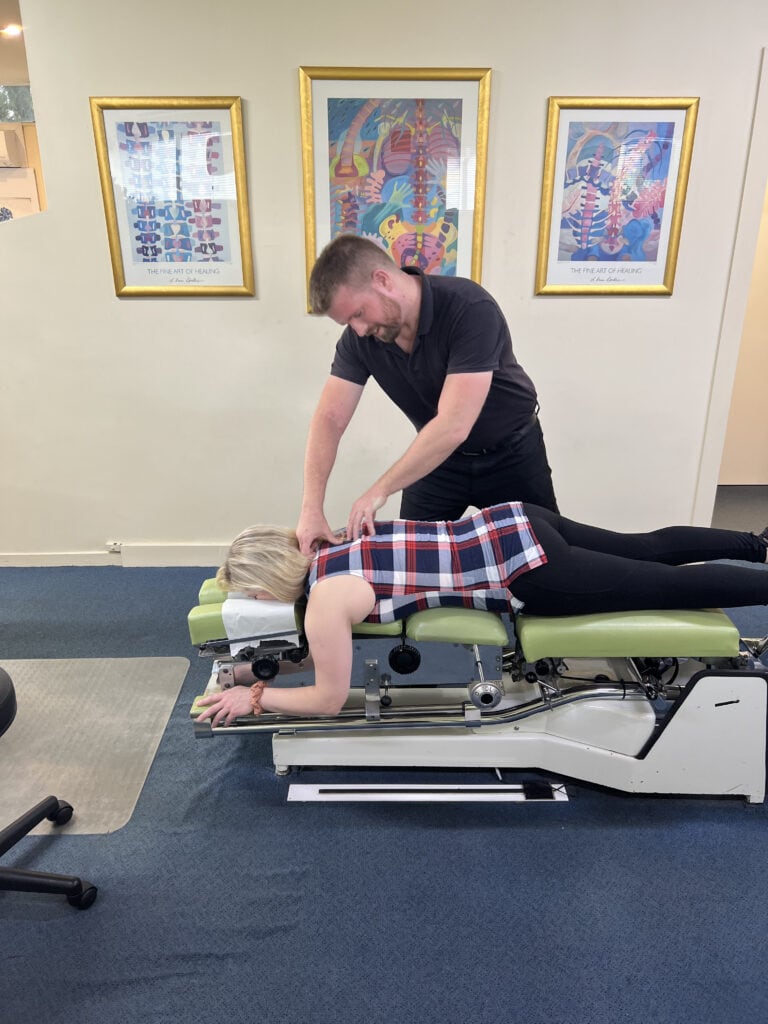
Care May Begin
Where clinically appropriate, care may begin on your first visit to help support relief.*
We offer both traditional hands-on chiropractic techniques and gentle, low-force approaches, tailored to your comfort. Care only proceeds with your consent.
Ready to Get Started?
Your first visit takes about 30 minutes. No referral needed, no lock-in plans. The decision is always yours.
Book Your First Visit*Subject to clinical assessment and suitability criteria. Bulk billing subject to eligibility criteria and clinical need.
Transparent Affordable Fees
Source: Australian Chiropractors Association Consultation Fee Survey 2025 (SA data). *Care provided where clinically appropriate, subject to assessment.
Care that fits your day
528 Marion Road, Plympton Park SA 5038
Ready to Get Started? We're Ready When You Are.
Choose a time that works for you. No referral needed.

Dr Sam Johnson (Chiropractor)
B.Sc.(Chiro), M.Chiro.(Macq)
$69
Initial Consultation
Up to 30 minutes, including full assessment
Book Your First VisitPrefer to call? (08) 8297 5277
Text: 0400 105 454 | Email: wecanhelp@stapletonchiropractic.com.au
You will receive a confirmation email with all details immediately after booking.
Quick answers before you book
How much does a first visit cost?
$69 for your initial consultation. Most major health funds provide a rebate at the time of your visit.
Do you accept private health insurance?
Yes, all major health funds accepted. Bring your card and we process your rebate at the time of your visit.
Do I need a GP referral?
No referral needed. You can book directly.
Will the treatment hurt?
Gentle techniques tailored to your comfort. Dr Sam Johnson (Chiropractor) explains everything before proceeding.
Can a chiropractor help with knee pain?
Where the cause is musculoskeletal, research suggests assessment, manual therapy, and tailored exercise may help manage some knee presentations. Assessment comes first, and if chiropractic care is not appropriate for your knee, we will tell you. Individual responses vary.
All care is provided subject to clinical assessment and individual suitability. Individual responses to treatment vary.
Book Your First Visit
$69 initial consultation. No referral needed. No lock-in plans. The decision is always yours.
Book a ConsultationPhone: (08) 8297 5277
All care is provided subject to clinical assessment and individual suitability. Individual responses to treatment vary.
What Is Knee Pain?
Knee pain is discomfort in or around the knee joint. It is one of the most common musculoskeletal complaints, and knee osteoarthritis alone is estimated to affect a substantial share of older adults worldwide (a 2020 meta-analysis of population-based studies, Cui et al., eClinicalMedicine). Causes range from joint surface wear to tendon, ligament, and muscle involvement.
The knee is a large, weight-bearing hinge joint where the thigh bone (femur), shin bone (tibia), and kneecap (patella) meet, cushioned by cartilage and stabilised by ligaments and muscles. Because it carries load and absorbs impact with almost every step, the knee is exposed to a wide range of musculoskeletal demands. Pain may be felt at the front (around the kneecap), the inner or outer side, or behind the knee, and the pattern often points to what may be contributing.
What Causes Knee Pain?
Knee pain may come from the joint surfaces (osteoarthritis), the kneecap mechanism (patellofemoral pain), the tendons (such as patellar or quadriceps tendinopathy), the ligaments, or referred load from the hip, ankle, or lower back. Identifying the likely contributor through assessment guides what care may be appropriate.
- Osteoarthritis (joint surface wear). More common with age and after previous injury. May contribute to stiffness, aching, and reduced movement.
- Patellofemoral pain (around the kneecap). Often felt on stairs, squatting, or after sitting. May relate to how the kneecap tracks and loads.
- Tendinopathy (patellar or quadriceps tendon). Load-related pain common in runners, jumpers, and people returning to sport.
- Ligament and meniscal involvement. May follow a twist, sporting incident, or knock. Often needs careful assessment and sometimes onward referral.
- Referred or contributing load from elsewhere. The hip, ankle, foot, and lower back share load with the knee. Issues in those areas may contribute to how the knee feels.
Tradies and on-feet workers
Knees that ache after a day of kneeling, squatting, ladders, and load. Evidence-informed care may help manage some work-related musculoskeletal knee presentations. Individual responses vary.
Desk-based office workers
Stiffness after long sitting, then soreness on the stairs. Patellofemoral presentations are common in people who sit a lot and load the knee in bend. Individual responses vary.
Weekend runners and gym-goers
Load-related knee pain after the run, ride, or game. Tailored exercise and load management may help manage some presentations. Individual responses vary.
Active older adults
Knee osteoarthritis stiffness and aching that affects walking and gardening. Exercise and manual therapy may help manage symptoms for some people. Individual responses vary.
All care is provided subject to clinical assessment and individual suitability. Individual responses to treatment vary.
When Knee Pain Needs Urgent or Medical Care
Most knee pain is musculoskeletal, but some signs point to a problem that needs prompt medical assessment rather than chiropractic care. If any of the following apply, please contact your GP, an emergency department, or call 000 as appropriate. When in doubt, get it checked.
Seek prompt medical assessment if you have:
- A knee that is hot, red, and swollen, especially with fever or feeling unwell (possible joint infection)
- A significant injury with immediate swelling, an inability to bear weight, or an obvious deformity
- A knee that locks, gives way repeatedly, or cannot straighten or bend fully after an injury
- Calf pain, swelling, warmth, or tenderness, particularly after surgery, immobility, or long travel (this may indicate a blood clot and needs urgent attention)
- Numbness, pins and needles, or weakness spreading down the leg
- Pain that is severe, unrelenting, wakes you at night, or comes with unexplained weight loss
This information is general and does not replace individual medical assessment. If you are concerned about any of the above, seek prompt medical care. All care at Stapleton Chiropractic is provided subject to clinical assessment and individual suitability.
How Chiropractic Care May Help With Knee Pain
Where knee pain is musculoskeletal, evidence-informed chiropractic care may help manage symptoms through assessment, manual therapy applied to the knee and surrounding joints, tailored exercise, and load and activity advice. Care is conservative and non-invasive. Chiropractic is one option that may be considered alongside, or instead of, other approaches. Individual responses vary.
Dr Sam Johnson (Chiropractor) assesses not just the knee but the joints that share its load: the hip, ankle, foot, and lower back. Where appropriate, care may combine manual therapy with a tailored, progressive exercise plan, because exercise has a strong evidence base for several common knee presentations. The aim is to help you move and load the knee more comfortably, and to give you self-management tools you can use at home. The decision about what care suits you is always yours.
Assessment and diagnosis
A thorough physical assessment of knee movement, strength, and the surrounding joints, with discussion of imaging or onward referral where clinically appropriate.
All care is provided subject to clinical assessment and individual suitability. Individual responses to treatment vary.
Manual therapy
Hands-on techniques applied to the knee and contributing joints where suitable. Generally well-tolerated and non-invasive.
All care is provided subject to clinical assessment and individual suitability. Individual responses to treatment vary.
Tailored exercise and load management
A progressive home-exercise plan suited to your presentation and goals. Exercise therapy has a strong evidence base for several knee conditions.
All care is provided subject to clinical assessment and individual suitability. Individual responses to treatment vary.
Self-management and activity advice
Practical guidance on load, footwear, and pacing to support your everyday activity.
All care is provided subject to clinical assessment and individual suitability. Individual responses to treatment vary.
Knee Pain: Comparing Common Care Options
| Care option | Typical focus | Hands-on therapy | Exercise prescription | Referral pathway | Initial fee (Stapleton) |
|---|---|---|---|---|---|
| Chiropractic care | Musculoskeletal assessment, manual therapy, exercise, self-management | Yes | Yes | Refers on where clinically appropriate | $69 |
| Physiotherapy | Rehabilitation, exercise, manual therapy | Yes | Yes | Refers on where clinically appropriate | Varies |
| GP | Diagnosis, medication, imaging requests, referrals | No | Limited | Central referral hub | Varies |
This table is general information to help you understand care options, not a recommendation that one approach is superior. The right pathway depends on your individual assessment. Individual responses to treatment vary.
What the Research Suggests
Research suggests that exercise therapy and manual therapy may help manage some common knee presentations, particularly knee osteoarthritis and patellofemoral pain. The evidence is strongest for tailored exercise. The cards below summarise selected findings. Individual responses vary.
Exercise for knee osteoarthritis
A Cochrane systematic review reported that land-based exercise may help reduce knee pain and improve physical function in people with knee osteoarthritis (Fransen et al., 2015, Cochrane Database of Systematic Reviews).
Individual responses to treatment vary. All care is provided subject to clinical assessment and individual suitability.
Exercise and manual therapy for patellofemoral pain
Clinical guidance on patellofemoral pain recommends exercise therapy, and notes combined interventions (which may include manual therapy alongside exercise) where appropriate, to help manage symptoms (Crossley et al., 2016, British Journal of Sports Medicine, consensus statement Part 2: recommended physical interventions).
Individual responses to treatment vary. All care is provided subject to clinical assessment and individual suitability.
Guideline positioning on conservative care
The NICE guideline on osteoarthritis recommends therapeutic exercise as a core treatment for osteoarthritis, including the knee, alongside information and self-management support (NICE NG226, 2022).
Individual responses to treatment vary. All care is provided subject to clinical assessment and individual suitability.
Prevalence and burden context
A 2020 meta-analysis of population-based studies estimated that knee osteoarthritis is highly prevalent worldwide, with prevalence rising with age (Cui et al., 2020, eClinicalMedicine).
Individual responses to treatment vary. All care is provided subject to clinical assessment and individual suitability.
The review reported that land-based therapeutic exercise may help reduce knee pain and improve physical function (paraphrased from Fransen et al., 2015, Cochrane Database of Systematic Reviews). Individual responses vary.
The 2016 patellofemoral pain consensus statement (Part 2) recommends exercise therapy to reduce pain and improve function for people with patellofemoral pain, and supports combined interventions where appropriate (paraphrased from Crossley et al., 2016, BJSM, Part 2: recommended physical interventions). Exact verbatim wording is not reproduced here because the full text sits behind the BJSM paywall and could not be confirmed character for character; the paraphrase is faithful to the verified scope of Part 2.
Knee Pain and Cold Laser Therapy
Some people ask whether low-level laser (photobiomodulation) therapy may suit their knee pain. It is a separate, non-invasive option offered through Adelaide Cold Laser. The best way to find out whether it may be appropriate for you is to ask during your consultation.
If you are curious whether cold laser therapy may complement your care, raise it with Dr Sam Johnson (Chiropractor) at your visit and he can talk you through whether it may be suitable for your presentation. Cold laser initial consultation is $99. Cold laser therapy does not attract a private health fund rebate.
Cold laser therapy is offered as one option that may be considered for some musculoskeletal presentations. Suitability is determined by individual clinical assessment. Individual responses to treatment vary.
Why People Choose Stapleton Chiropractic
- Est. 1972. A family practice with deep roots on Adelaide's Marion Road.
- Evidence-informed approach. Care guided by current research within accepted musculoskeletal scope.
- No lock-in plans. No packages, no pressure. The decision is always yours.
- $69 initial consultation. All major health funds accepted.
- Easy access. Free on-site parking on the Marion Road commuter corridor, open Mon to Fri 7am to 7pm.
Ready to find out what may be contributing to your knee pain? Book a knee assessment ($69). No referral needed.
Book a ConsultationAll care is provided subject to clinical assessment and individual suitability. Individual responses to treatment vary.
Where Are You Right Now?
"I just want help with the pain."
Book an initial consultation. We assess your knee, talk through what may be contributing, and discuss options focused on managing your symptoms.
Book a Consultation"I want help and answers."
Book an initial consultation for a thorough assessment of your knee and the joints that share its load, with a plain-English explanation of what we find and the care options that may suit you.
Book a ConsultationAll care is provided subject to clinical assessment and individual suitability. Individual responses to treatment vary.
Frequently Asked Questions About Knee Pain
Can a chiropractor help with knee pain?
Where knee pain is musculoskeletal, research suggests assessment, manual therapy, and tailored exercise may help manage some presentations. Assessment comes first. If chiropractic care is not appropriate for your knee, we will tell you and help you find the right pathway. Individual responses vary.
What might be causing my knee pain?
Knee pain may come from the joint surfaces (osteoarthritis), the kneecap mechanism, the tendons, the ligaments, or load referred from the hip, ankle, or lower back. A physical assessment helps identify what may be contributing in your case.
Do I need a GP referral to see a chiropractor for knee pain?
No referral is needed. You can book directly. Where clinically appropriate, we may suggest involving your GP or arranging imaging.
How much does a first visit cost?
The initial consultation is $69, and the standard visit is $60. All major health funds accepted, with rebates processed at the time of your visit.
Will treatment for knee pain hurt?
Care uses gentle techniques tailored to your comfort, and Dr Sam Johnson (Chiropractor) explains each step before proceeding. Manual therapy is generally well-tolerated and non-invasive. Tell us at any point if something is uncomfortable.
How long will it take for my knee to feel better?
Individual responses vary, and we do not set fixed timeframes. Progress is reviewed regularly, and your plan is tailored to your specific condition and goals rather than a set number of visits.
Is chiropractic care suitable for knee osteoarthritis?
For some people with knee osteoarthritis, exercise and manual therapy may help manage symptoms. NICE guidance recommends therapeutic exercise as a core treatment for osteoarthritis. Whether it suits you depends on your individual assessment.
What is patellofemoral pain?
Patellofemoral pain is discomfort around the kneecap, often felt on stairs, squatting, or after long sitting. It may relate to how the kneecap loads and tracks, and tailored exercise may help manage it for some people.
Should I rest or keep moving with knee pain?
This depends on the cause, so it is best discussed at assessment. For many musculoskeletal knee presentations, guided activity and tailored exercise are part of care rather than complete rest. We will advise on what may suit you.
When should knee pain be checked by a doctor urgently?
Seek prompt medical care if the knee is hot, red, and swollen with fever, if you cannot bear weight after an injury, if the knee locks or gives way, or if you have calf swelling, warmth, and tenderness. When in doubt, get it checked.
Do you treat sports-related knee injuries?
We assess load-related and sports knee presentations and discuss whether conservative care may suit, or whether onward referral or imaging is the better first step. Some injuries need medical or surgical assessment, and we will tell you if that applies.
Do you offer anything other than manual therapy for knee pain?
Care may combine manual therapy with a tailored exercise plan and self-management advice. Cold laser (photobiomodulation) therapy is a separate option you can ask about during your consultation. Individual responses vary.
Where are you located and what are your hours?
Stapleton Chiropractic is at 528 Marion Road, Plympton Park SA 5038, with free on-site parking on the Marion Road commuter corridor. We are open Mon to Fri 7am to 7pm and Sat 8am to 12pm. Call (08) 8297 5277 or book online.
Straightforward Fees
| Visit | Stapleton | SA average |
|---|---|---|
| Initial consultation | $69 | $122 |
| Standard visit | $60 | $71 |
Source: Australian Chiropractors Association Consultation Fee Survey 2025 (SA data). All major health funds accepted. No lock-in plans.
Book a Consultation
$69 initial consultation. No referral needed. No lock-in plans. The decision is always yours.
What to Expect at Your First Visit
Stapleton Chiropractic is an evidence-based chiropractic practice at 528 Marion Road, Plympton Park, Adelaide (Est. 1972). An initial consultation costs $69 and includes a comprehensive 30-minute hands-on assessment. All major health funds accepted; no referral needed.
Allow up to 30 minutes for a comprehensive initial consultation. Here is how it works.
You Tell Us
We listen carefully, ask the right questions, and build a clear picture of what has been going on.
We Assess
Hands-on testing and biostructural analysis to identify what may be contributing to your concern.
We Explain
We walk you through our findings and your options in plain language. If imaging is recommended, we will explain why and discuss your options.
X-rays are only referred for with your consent, and where eligible, may be bulk billed.*
Care May Begin
Where clinically appropriate, care may begin on your first visit to help support relief.*
We offer both traditional hands-on chiropractic techniques and gentle, low-force approaches, tailored to your comfort. Care only proceeds with your consent.
Ready to Get Started?
Your first visit takes about 30 minutes. No referral needed, no lock-in plans. The decision is always yours.
Book Your First Visit*Subject to clinical assessment and suitability criteria. Bulk billing subject to eligibility criteria and clinical need.
Transparent Affordable Fees
Source: Australian Chiropractors Association Consultation Fee Survey 2025 (SA data). *Care provided where clinically appropriate, subject to assessment.
Care that fits your day
528 Marion Road, Plympton Park SA 5038
Ready to Get Started? We're Ready When You Are.
Choose a time that works for you. No referral needed.
Dr Sam Johnson (Chiropractor)
B.Sc.(Chiro), M.Chiro.(Macq)
$69
Initial Consultation
Up to 30 minutes, including full assessment
Book Your First VisitPrefer to call? (08) 8297 5277
Text: 0400 105 454 | Email: wecanhelp@stapletonchiropractic.com.au
You will receive a confirmation email with all details immediately after booking.
Phone: (08) 8297 5277
528 Marion Road, Plympton Park SA 5038
All care is provided subject to clinical assessment and individual suitability. Individual responses to treatment vary.
Dr Sam Johnson (Chiropractor) | BSc(Chiro), MChiro, Macquarie University
Stapleton Chiropractic | Est. 1972 | 528 Marion Road, Plympton Park SA 5038
(08) 8297 5277 | Mon to Fri 7am to 7pm, Sat 8am to 12pm | All major health funds accepted
Last clinically reviewed: 22 June 2026 by Dr Sam Johnson (Chiropractor)

Last clinically reviewed: 22 April 2026 by Dr Sam Johnson (Chiropractor)