
Tech Neck and Text-Neck ChiropractorAdelaide
If your neck and upper back feel tight after a day at the desk, or you notice a pull between the shoulder blades after a long commute scrolling your phone, the pattern commonly called "tech neck" may be part of it. On Marion Road, on your way home from offices in Plympton, Park Holme, Glenelg North, and the city. $69 initial consultation. No referral needed.

Does this sound familiar?
Common tech neck patterns we hear from desk workers and commuters. Tap a card for a plain-English explanation.
"My neck and shoulders ache by 3pm after long days at the screen."
"I scroll my phone late into the night and wake up with a stiff neck."
"I work from the couch with the laptop on my knees and my neck has been sore for weeks."
What Tech Neck Looks Like
Tech neck typically shows up as lower-cervical and upper-thoracic ache after sustained handheld-device or desk-based postures. Upper-trapezius tightness, mid-back discomfort, and reduced cervical range of motion are common. The pattern is real; the "posture causes pain" framing is more nuanced than popular coverage suggests.
Typical features include:
- Location: lower cervical and upper-thoracic ache, across the upper trapezius, between the shoulder blades, sometimes into the sub-occipital region at the base of the skull.
- Aggravators: prolonged phone use, long desk days, laptop-on-lap or couch-based work, sustained static loading without breaks.
- Easing: often with standing breaks, shoulder rolls, thoracic extension movement, and variation of position.
- Associated symptoms: occasional tension-type headaches, a feeling that the neck "needs to be cracked", and reduced range when checking blind spots.
- Usually absent: arm pain or numbness following a clear dermatomal line. If arm symptoms are present, a cervical-radiculopathy screen is appropriate.
How We Assess It: Tech Neck vs Other Neck Presentations
A structured bedside assessment sorts tech neck from similar-looking presentations. Bedside tests include cervical range of motion, upper-trapezius tenderness, the craniocervical flexion test, and a thoracic extension screen. Where arm symptoms are present, a neurological screen and Spurling test may help rule out cervical radiculopathy.
The differential picture matters because the management approach differs. Tech neck, cervicogenic headache, cervical radiculopathy, and thoracic outlet syndrome all share some features but diverge on key findings:
| Feature | Tech neck / text-neck syndrome | Cervicogenic headache | Cervical radiculopathy | Thoracic outlet syndrome |
|---|---|---|---|---|
| Typical pain location | Lower cervical and upper-thoracic ache, between the shoulder blades, into the upper trapezius | One-sided headache starting at the sub-occipital region, referred forward to the temple or eye | One-sided neck pain referring along an arm dermatome, often past the elbow | One-sided pain in the neck, shoulder, or arm; may include arm heaviness |
| Onset trigger | Prolonged handheld-device or desk work; sustained static loading | Sustained neck posture, cervical movement, or sub-occipital pressure | Cervical extension or rotation, single-arm reach, prolonged sitting | Overhead posture, carrying, elevated arm use |
| Arm symptoms | Usually absent; may have vague upper-trap ache | Usually absent | Dermatomal numbness, weakness, reflex change | Positional arm heaviness or tingling, pulse change with provocation |
| Neurological signs | Usually absent | Usually absent | Often present (dermatomal, myotomal, reflex) | May have positional signs (Roos, Adson) |
| Useful bedside tests | Craniocervical flexion test, upper-trap tenderness, thoracic extension screen, cervical range of motion | Cervical flexion-rotation test, upper cervical palpation, symptom reproduction | Spurling test, upper-limb neural tension, dermatomal screen | Roos (EAST), Adson, upper-limb neural tension |
| Finger-point sign | Vague upper trapezius or mid-thoracic | Sub-occipital, one-sided | Traces an arm line | Supraclavicular fossa or inner arm |
| Indicated next step | Conservative care, thoracic mobility, ergonomic guidance | Upper-cervical and sub-occipital care, trigger review | Screen first; may need imaging or medical review | Screen first; may need vascular or imaging review |
| Red-flag threshold | Low; most presentations are mechanical | Low; urgent review if new headache pattern with neurological features | Moderate; progressive weakness warrants urgent review | Moderate; pulse change or progressive symptoms warrant review |
Differentiation guide for clinical education only. Individual findings vary; face-to-face assessment is important.
What the Research Actually Says
The evidence base on tech neck has shifted. Early biomechanical modelling quantified load at head-flexion angles, but more recent cross-sectional and longitudinal work has not supported a simple posture-causes-pain model. Contemporary framing treats neck pain in screen users as multifactorial.
Hansraj 2014 · Surgical Technology International
Cervical load increases with head-flexion angle
Kinematic modelling paper estimated cervical load rises from roughly 10 to 12 pounds at neutral to approximately 60 pounds at 60 degrees of flexion. Methodology was biomechanical modelling, not a clinical trial. No direct measurement of pain outcomes.
Read the study →Damasceno 2018 · European Spine Journal
Text-neck posture did not associate with neck pain in young adults
Cross-sectional study of 150 adults aged 18 to 21 using postural assessment and a validated neck-pain questionnaire. The authors reported no statistically significant association between text-neck posture and self-reported neck pain. Research suggests caution in treating posture screening as a diagnostic marker.
Read the study →Richards 2016 · Physical Therapy (Raine Study)
Neck posture did not predict persistent neck pain in young adults
Prospective cohort from the Western Australian Pregnancy (Raine) Study, following adolescents into young adulthood with objective posture measures. The authors reported that posture subgroup did not predict persistent neck pain, consistent with the cross-sectional evidence base.
Read the study →Cote 2008 · Spine (Bone and Joint Decade Task Force)
Workplace neck pain is multifactorial
Global synthesis of workplace neck pain evidence. The Task Force concluded that neck pain in computer-using workers is multifactorial, with workstation ergonomics, psychosocial job factors, prior neck pain, physical activity, and stress all contributing. Supports a layered management approach over a single postural fix.
Read the study →How Chiropractic Care May Help
Research suggests a layered approach to tech neck, including manual therapy, thoracic-spine mobility work, movement variability, and ergonomic guidance, may help manage symptoms associated with sustained device or desk use. Individual responses vary. Care focuses on patterns of use, not postural correction.
At Stapleton Chiropractic, care for tech neck typically includes:
- Detailed history and red flag screen covering symptom location, device and desk-use patterns, sleep position, and any neurological features that warrant onward medical review before care begins.
- Bedside assessment including cervical range-of-motion testing, upper-trapezius and levator scapulae palpation, the craniocervical flexion test, and a thoracic extension screen. Research suggests poor thoracic extension is commonly associated with upper-cervical and mid-back symptoms in desk workers.
- Low-force adjustment using an Activator instrument or drop-piece table where appropriate. Both are well-tolerated and suited to guarded or irritated cervical and thoracic segments.
- Diversified manual adjustment for patients comfortable with hands-on adjusting, applied to the cervical and thoracic spine as clinically indicated.
- Soft tissue techniques for the upper trapezius, levator scapulae, and sub-occipital region that often guard around a symptomatic cervical spine.
- Movement and ergonomic guidance covering screen height, break frequency, thoracic-mobility exercise, and practical handheld-device and workstation habits. Guidance is pragmatic, not prescriptive.
The framing matters. Research suggests tech neck is better understood as a pattern of use, not a postural deformity. The Damasceno 2018 and Richards 2016 work did not support a direct posture-causes-pain model, so care focuses on symptom management, movement variability, thoracic mobility, and practical workstation and device-use guidance, rather than on "correcting" a single posture. The Bone and Joint Decade Task Force (Cote 2008) supports a layered package of manual therapy, exercise, and workplace modification.
Progress is reviewed at each visit. There are no lock-in plans, and the decision to continue is always yours. If your response to care is not what we would expect, we will reassess and, where appropriate, discuss referral pathways back to your GP, or to imaging, a pain clinic, or a colleague in another discipline.
Chiropractic vs other common approaches
| Approach | Chiropractic (here) | Physiotherapy | Remedial massage |
|---|---|---|---|
| Primary focus | Joint, soft tissue, movement, and ergonomic patterns | Movement, exercise rehab, ergonomic education | Muscle tension and soft tissue |
| Manual adjustment | Yes. Activator, drop-piece, or diversified manual | Sometimes, depending on the practitioner | No |
| Soft tissue work | Yes, alongside adjustment | Yes, alongside exercise | Yes, primary focus |
| Thoracic mobility work | Yes, often central to tech neck care | Yes | Occasionally |
| Ergonomic guidance | Yes, as part of load-management | Yes, often a focus | Occasionally |
| Lock-in plans | No | Varies by clinic | Varies by clinic |
| Referral needed | No | No | No |
If we feel you would benefit from a different approach, we will always let you know.
Why Stapleton Chiropractic
Adult-first, evidence-informed, and family-run since 1972. On Marion Road, on your way home from offices in Plympton, Park Holme, Glenelg North, and the city. No lock-in plans, clear pricing, and the decision is always yours.
Est. 1972
Over five decades on Marion Road. A Plympton Park practice your family likely already knows.
Evidence-informed
Care is guided by current research (Cote 2008, Damasceno 2018, Richards 2016) and Cochrane reviews. We frame tech neck honestly, as a pattern of use, not a postural deformity.
On Marion Road
Major N-S corridor. Easy intercept on your way home from offices in Plympton, Park Holme, Glenelg North, Morphettville, Edwardstown, and the city.
7am to 7pm weekdays
Early and late appointments suited to desk-worker schedules. Saturday mornings 8am to 12pm.
No lock-in plans
Pay per visit. The decision to continue is always yours, reviewed at each appointment.
Transparent pricing
$69 initial consultation, $60 standard. All major health funds accepted with on-the-spot claiming where supported.
Free parking
On-site parking. No meter hunt, no multi-storey, no walk from the office tower.
Adult-first focus
Working professionals are our primary avatar. Your day does not look like a kid's day, and the care plan reflects that.
Technique options
Activator, drop-piece, diversified manual, and soft tissue. The technique choice is yours at every visit.
Honest framing
We say "may help" not "will fix", and "progress reviewed regularly" not "guaranteed outcome". Research language, not marketing language.
Plain-English explanations
What we find, what it means, and what the options are. No jargon, no pressure. The decision is always yours.
Direct phone line
Speak to reception, not a call centre. (08) 8297 5277. Questions before booking are welcome.
What Your First Visit Looks Like
Four straightforward steps. No paperwork marathons, no surprises.
Book online or call
Pick a time that suits. No referral needed. $69 initial consultation.
Brief intake
Short history form at reception. Covers device use, desk-use patterns, and any red-flag features.
Assessment
Cervical range of motion, upper-trapezius tenderness, craniocervical flexion test, and thoracic extension screen. We explain what we find.
Discussion & next steps
Plain-English findings and options. If care is appropriate, we discuss it. The decision is always yours.
Ready to speak to Dr Sam?
$69 initial consultation. No lock-in plans. All major health funds accepted. On your way home from Plympton, Park Holme, Glenelg North, or the city.
Book a ConsultationTransparent, Affordable Fees
No lock-in plans, no pressure. Fees sit well below the South Australian average.
Source: Australian Chiropractors Association Consultation Fee Survey 2025 (SA data). All major health funds accepted.
Close to your office or on your commute
528 Marion Road, Plympton Park. Easy intercept on the drive home from the CBD and the south-west business district. Free on-site parking.
Book a ConsultationWarning Signs That Warrant Urgent Medical Review
Most tech neck is mechanical and not an emergency. A small number of presentations do need urgent medical review.
Seek urgent medical review if your neck or upper-back pain is accompanied by any of the following:
- Progressive arm or hand weakness, including worsening grip weakness, dropping things, or a hand that feels clumsy
- New or progressive sensory loss in an arm or hand, including numbness or pins-and-needles that is worsening
- Night pain that wakes you and is not eased by position change
- Unexplained weight loss over weeks to months
- Fever alongside neck pain
- History of cancer, particularly if the neck pain feels different from any prior musculoskeletal pain
- Recent significant trauma, such as a fall, a motor vehicle incident, or a direct blow
- New dizziness, visual change, slurred speech, or balance problems alongside neck symptoms
If any of these apply, contact your GP, call healthdirect on 1800 022 222, or attend your nearest emergency department. These features may indicate a condition that warrants urgent medical review, rather than a mechanical tech-neck pattern. When in doubt, please speak to your GP first. Conservative chiropractic care at Stapleton can resume afterwards if it remains appropriate.
Ready to Get Started? We're Ready When You Are.
Choose a time that works for you. No referral needed. On your way home.
Dr Sam Johnson (Chiropractor)
B.Sc.(Chiro), M.Chiro.(Macq)
$69
Initial Consultation
Up to 30 minutes, including full assessment
Book Your First VisitPrefer to call? (08) 8297 5277
Text: 0400 105 454 | Email: wecanhelp@stapletonchiropractic.com.au
You will receive a confirmation email with all details immediately after booking.
Still not sure? Phone the practice.
Happy to answer quick questions before you book. (08) 8297 5277, Mon to Fri 7am to 7pm, Sat 8am to 12pm.
(08) 8297 5277Frequently Asked Questions
What is tech neck?
Is tech neck real?
Can you reverse tech neck?
Can a chiropractor help with tech neck?
What happens at a first consultation?
How much does it cost?
Is forward head posture the cause of my neck pain?
When should I see a GP instead of a chiropractor?
How often should I take breaks from my screen?
Will I always need to keep coming back?
Can tech neck cause headaches?
Do standing desks help with tech neck?
Questions? Book when you are ready.
$69 initial consultation. No lock-in plans. All major health funds accepted. The decision is always yours.
Book a ConsultationReady to Take the First Step?
Book your initial consultation with Dr Sam Johnson (Chiropractor). No referral needed. $69 initial consultation. On your way home.
Stapleton Chiropractic. Est. 1972. Clinically led by Dr Sam Johnson (Chiropractor), BSc (Chiropractic) and MChiro, Macquarie University. AHPRA-registered.
Address: 528 Marion Road, Plympton Park SA 5038 Phone: (08) 8297 5277 Hours: Mon to Fri 7am to 7pm, Sat 8am to 12pm Email: wecanhelp@stapletonchiropractic.com.au
Scope note: We focus on the assessment and conservative management of musculoskeletal conditions. We do not make claims about non-musculoskeletal conditions.
What to Expect at Your First Visit
Stapleton Chiropractic is an evidence-based chiropractic practice at 528 Marion Road, Plympton Park, Adelaide (Est. 1972). An initial consultation costs $69 and includes a comprehensive 30-minute hands-on assessment. All major health funds accepted; no referral needed.
Allow up to 30 minutes for a comprehensive initial consultation. Here is how it works.
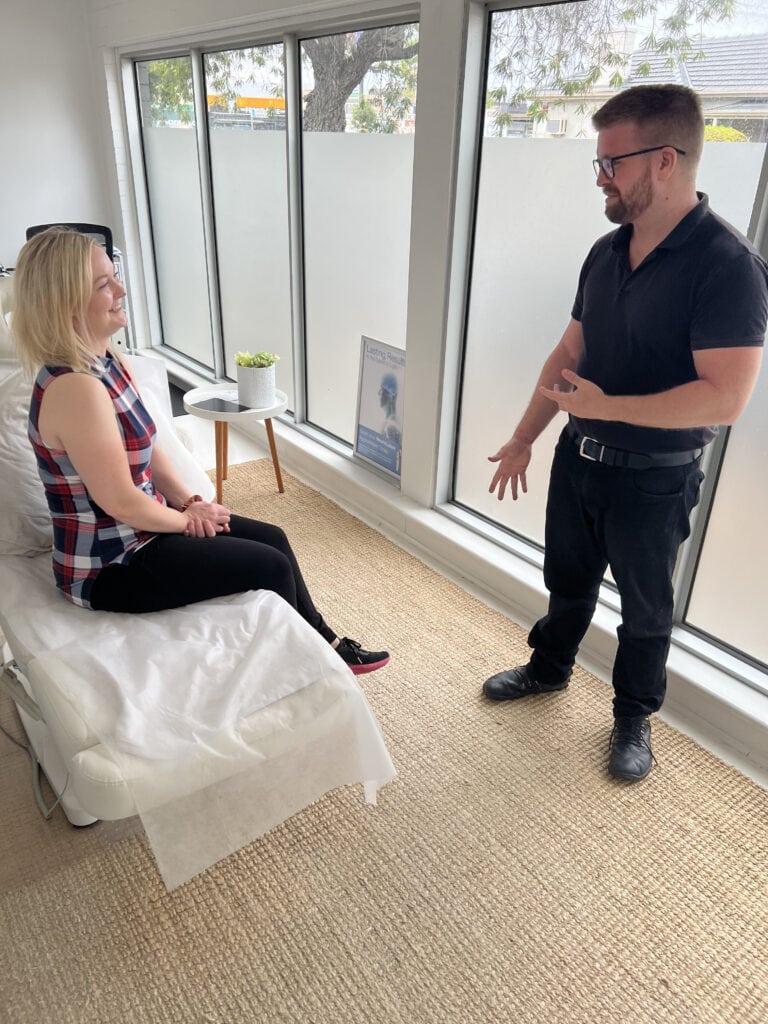
You Tell Us
We listen carefully, ask the right questions, and build a clear picture of what has been going on.
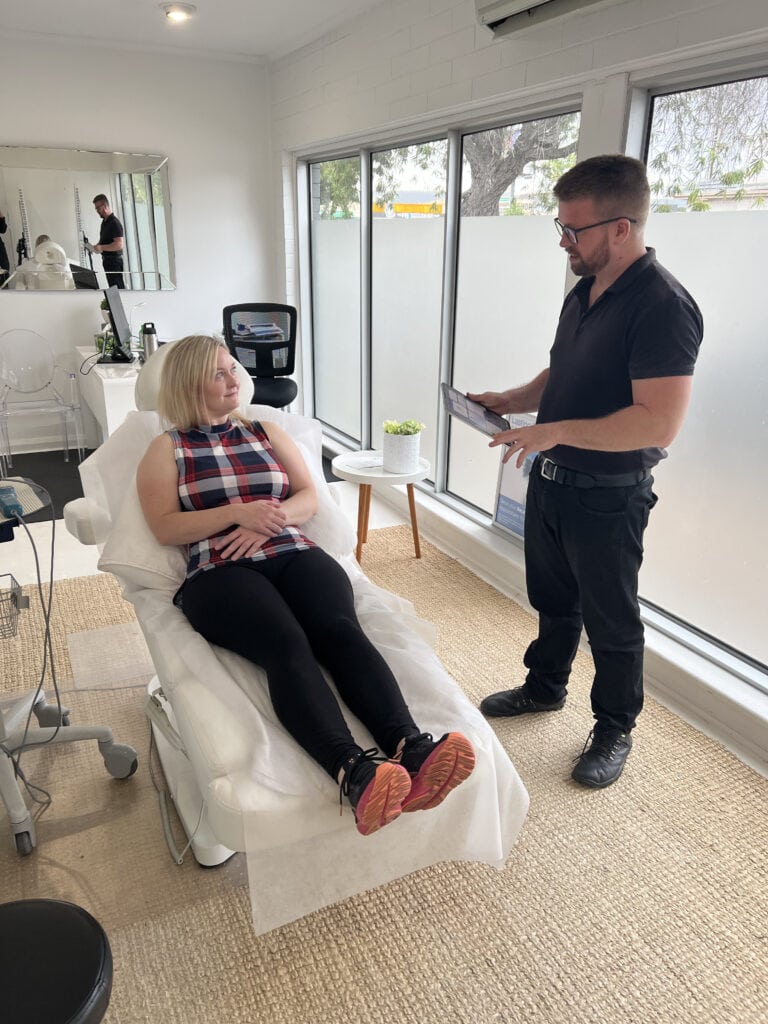
We Assess
Hands-on testing and biostructural analysis to identify what may be contributing to your concern.
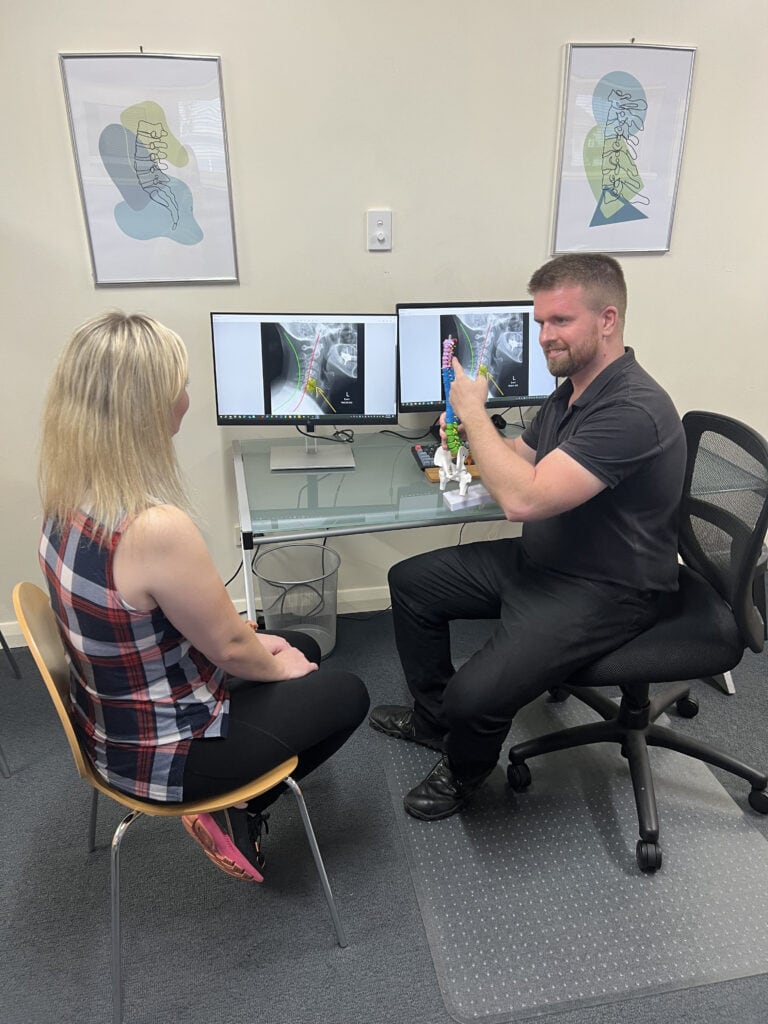
We Explain
We walk you through our findings and your options in plain language. If imaging is recommended, we will explain why and discuss your options.
X-rays are only referred for with your consent, and where eligible, may be bulk billed.*
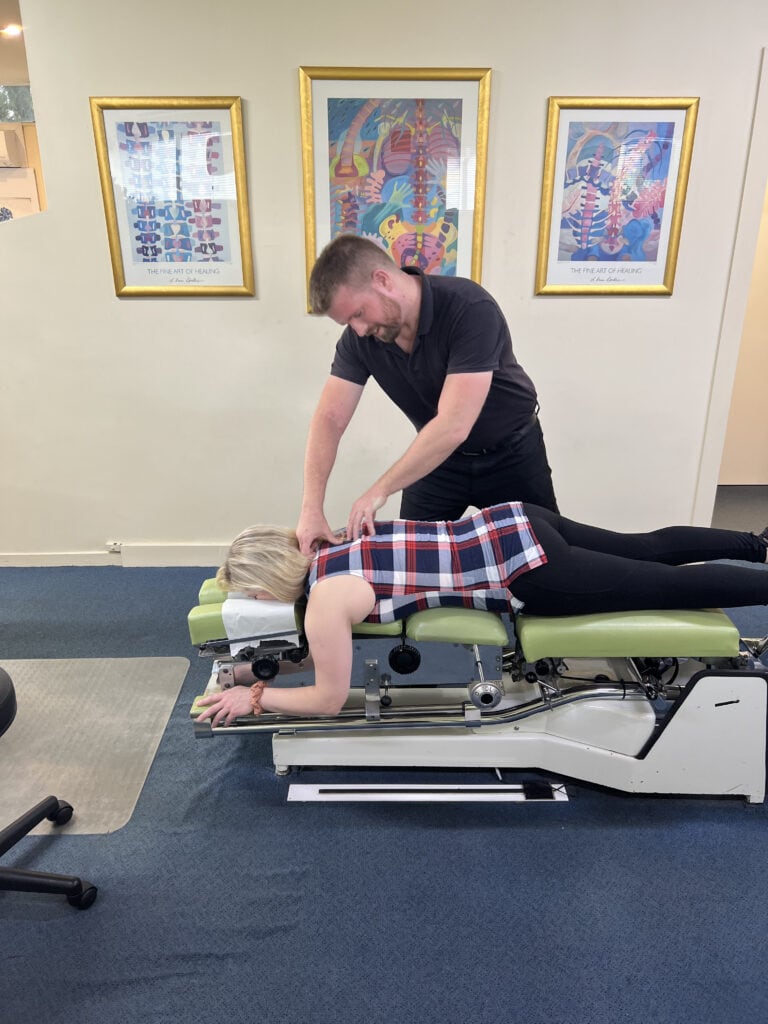
Care May Begin
Where clinically appropriate, care may begin on your first visit to help support relief.*
We offer both traditional hands-on chiropractic techniques and gentle, low-force approaches, tailored to your comfort. Care only proceeds with your consent.
Ready to Get Started?
Your first visit takes about 30 minutes. No referral needed, no lock-in plans. The decision is always yours.
Book Your First Visit*Subject to clinical assessment and suitability criteria. Bulk billing subject to eligibility criteria and clinical need.
Transparent, Affordable Fees
Source: Australian Chiropractors Association Consultation Fee Survey 2025 (SA data). *Care provided where clinically appropriate, subject to assessment.
Care that fits your day
528 Marion Road, Plympton Park SA 5038
Ready to Get Started? We're Ready When You Are.
Choose a time that works for you. No referral needed.

Dr Sam Johnson (Chiropractor)
B.Sc.(Chiro), M.Chiro.(Macq)
$69
Initial Consultation
Up to 30 minutes, including full assessment
Book Your First VisitPrefer to call? (08) 8297 5277
Text: 0400 105 454 | Email: wecanhelp@stapletonchiropractic.com.au
You will receive a confirmation email with all details immediately after booking.