Pinched Nerve in the Neck (Cervical Radiculopathy)Adelaide
If your neck pain is travelling down your arm, or you are noticing pins-and-needles in a specific finger or forearm region, the irritation may be coming from a nerve root in your neck rather than from the arm itself. Dr Sam Johnson (Chiropractor) takes time for detailed history-taking and neurological screening before considering any treatment. $69 initial consultation. No referral needed.
Does this sound familiar?
Common pinched-nerve patterns we hear. Tap a card for a plain-English explanation.
"I woke up with sharp pain down my arm and pins-and-needles in my fingers. Turning my head makes it worse."
"After long days at the screen, I get numbness in specific fingers and a dull ache in my forearm."
"I get a burning ache deep between my shoulder blade and spine, with tingling down my arm."
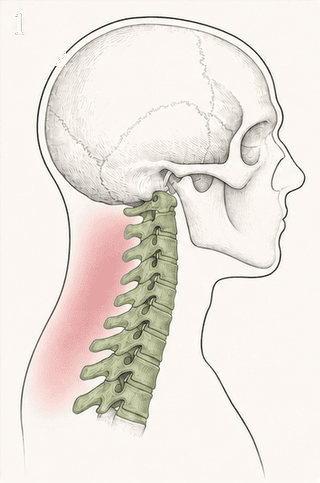
What a Pinched Nerve in the Neck Looks Like
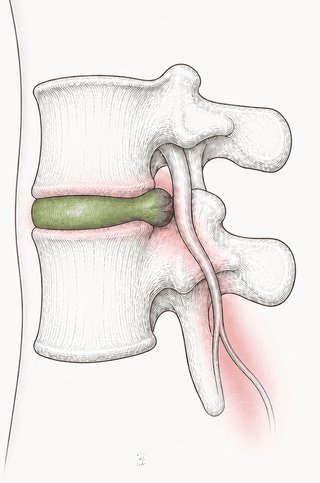
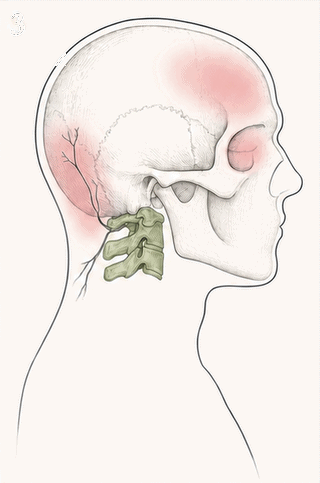
A pinched nerve in the neck is not the same as general neck pain, and careful assessment matters. Research suggests conservative care combining examination-guided manual therapy, exercise, and neural mobilisation may help many people. Progress is reviewed at each visit, and referral is offered where clinically appropriate.
Typical features include:
- Location of arm pain that follows a specific nerve pathway, often into one or two fingers or a defined forearm region, rather than a diffuse whole-arm ache.
- Altered sensation such as pins-and-needles, numbness, or a burning quality in a dermatomal distribution.
- Aggravators including extending the neck, rotating the head toward the symptomatic side, or sustained postures such as long screen sessions.
- Easing often with offloaded positions, gentle movement, and sometimes placing the hand on top of the head (the shoulder abduction relief sign).
- Differentiation point: nerve-root patterns typically follow a clear dermatomal and myotomal distribution, while general neck pain tends to stay in the neck and upper shoulders without a consistent arm-line.
How We Assess It: History, Neurological Screening, and Provocation Testing
A structured bedside assessment may include dermatomal sensation testing, myotomal strength testing, reflex comparison, and orthopaedic tests such as Spurling, cervical distraction, and the upper-limb tension test. When a cluster of tests is positive, the probability of nerve-root involvement is meaningfully higher.
What the evidence base tells us:
- Radhakrishnan et al. 1994 reported an annual age-adjusted incidence of cervical radiculopathy of around 83 per 100,000 population, peaking in the 50 to 54 year age group. The C7 nerve root is most commonly affected, followed by C6.
- Wainner et al. 2003 validated a cluster of four tests. When all four are positive (Spurling, cervical distraction, upper-limb tension test, and cervical rotation under 60 degrees toward the symptomatic side), the positive likelihood ratio is approximately 30, a large shift in probability.
- Bono et al. 2011, the NASS evidence-based clinical guideline, positions history and physical examination as the foundation of diagnosis, with MRI reserved for persistent symptoms, progressive neurological deficit, or surgical consideration.
Sources: Radhakrishnan et al. (1994) Brain 117:325. Wainner et al. (2003) Spine 28:52. Bono et al. (2011) Spine Journal 11:64.
What the Research Suggests
Mainstream guidelines and systematic reviews support conservative care as the first step for suspected cervical radiculopathy in adults without red-flag features. The studies below summarise what the research suggests, not what any individual person will experience.
Wainner 2003 · Spine
Four-test cluster may meaningfully raise the probability of cervical radiculopathy
Prospective diagnostic-accuracy study validating a cluster of Spurling, cervical distraction, upper-limb tension test, and cervical rotation under 60 degrees toward the symptomatic side. With all four positive, the positive likelihood ratio was approximately 30.
Read the study →Thoomes 2013 · Clinical Journal of Pain
Manual therapy plus exercise may help adults with cervical radiculopathy
Systematic review of conservative management for cervical radiculopathy. Manual therapy combined with exercise was associated with short-to-medium-term improvements in arm pain and disability for many participants, with low-to-moderate certainty of evidence.
Read the study →Bono 2011 · NASS Clinical Guideline
History and examination are the foundation of cervical radiculopathy diagnosis
North American Spine Society evidence-based clinical guideline on cervical radiculopathy from degenerative disorders. Positions clinical assessment as the foundation, with MRI reserved for persistent symptoms, progressive neurological deficit, or surgical consideration.
Read the guideline →Kuijper 2009 · BMJ
Conservative care may be a reasonable first step for many adults with cervical radiculopathy
Randomised trial comparing a semi-hard collar with rest, physiotherapy with home exercise, and a wait-and-see approach in adults with recent-onset cervical radiculopathy. Both active approaches reduced arm pain at short-term follow-up. Individual responses vary and a single trial is not a treatment recommendation.
Read the study →How Chiropractic Care May Help
Research suggests multimodal conservative care, including manual therapy, exercise, and neural mobilisation, may help reduce arm pain and disability in cervical radiculopathy for many people over the short-to-medium term, with low-to-moderate certainty. Individual responses vary, and referral is offered where clinically appropriate.
At Stapleton Chiropractic, care for suspected cervical radiculopathy is assessment-led and favours lower-force options first:
- Detailed history and red flag screen to confirm the presentation is consistent with mechanical nerve-root irritation and to rule out anything that warrants urgent medical review.
- Neurological screening including dermatomal sensation, myotomal strength (C5 through T1), reflex comparison, and provocation tests (Spurling, cervical distraction, upper-limb tension test).
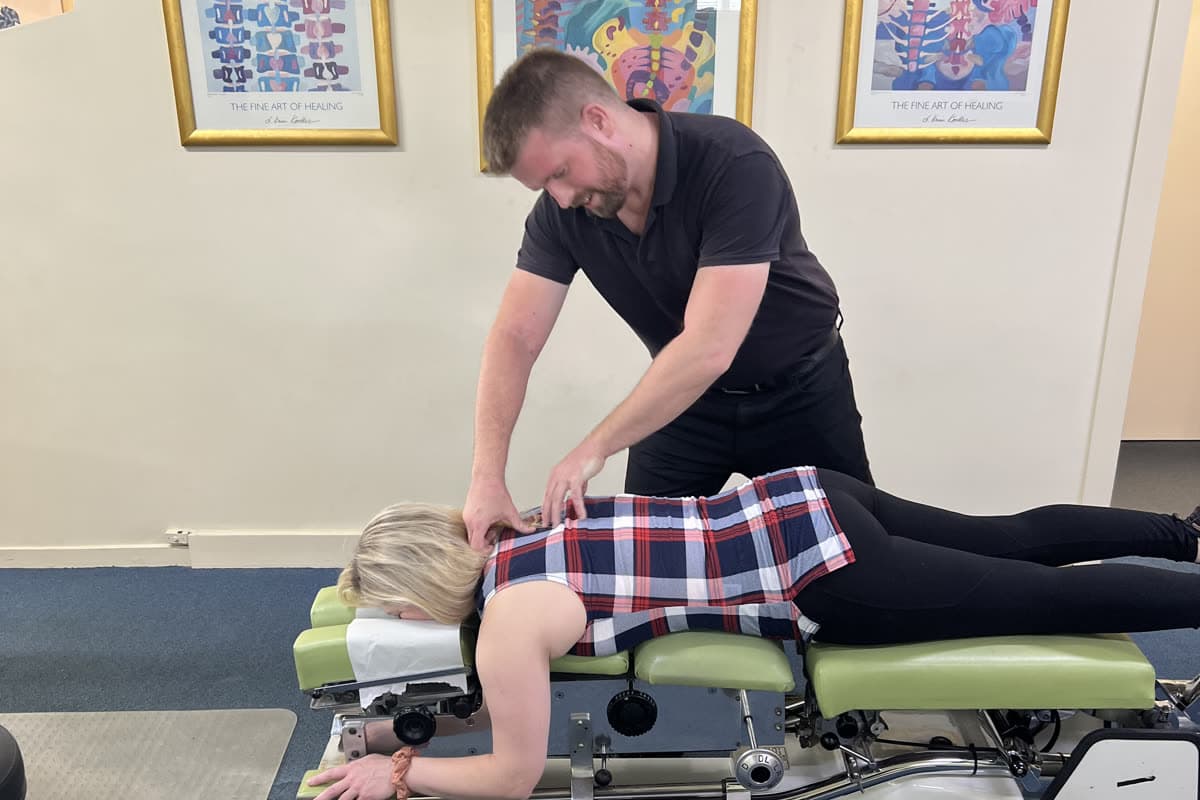
- Low-force adjustment using an Activator instrument or drop-piece table. For true nerve-root involvement, these lower-force options are favoured. The Activator is a hand-held instrument that delivers a small, targeted impulse. The drop-piece table uses a gentle, mechanically assisted movement.
- Diversified manual adjustment only where clinically appropriate, reserved for patients comfortable with hands-on adjusting and where the clinical picture supports it.
- Soft tissue techniques including myofascial release, trigger-point work, and sub-occipital release for associated upper-neck tension that often guards around an irritated cervical segment.
- Neural mobilisation, graded exercise, and posture and workstation guidance, introduced progressively as symptoms settle.
Alongside in-clinic care, simple self-care strategies may help. These can include short, frequent movement breaks during long screen sessions, gentle range-of-motion exercises within comfortable limits, and avoiding sustained provocative postures. Progress is reviewed at each visit, and the plan is adjusted based on how symptoms are responding. There are no lock-in plans, and the decision to continue is always yours. Where symptoms are not progressing as expected, where red-flag features appear, or where imaging or specialist opinion may add value, referral back to your GP is offered.
Chiropractic vs other common approaches
| Approach | Chiropractic (here) | Physiotherapy | Remedial massage |
|---|---|---|---|
| Primary focus | Neurological screening, joint and soft tissue, neural mobilisation | Movement, exercise rehab, education | Muscle tension and soft tissue |
| Manual adjustment | Yes. Lower-force first (Activator, drop-piece), diversified only where clinically appropriate | Sometimes, depending on the practitioner | No |
| Soft tissue work | Yes, alongside adjustment and neural mobilisation | Yes, alongside exercise | Yes, primary focus |
| Exercise prescription | Yes, graded neural mobilisation and cervical range-of-motion | Yes, typically the primary tool | Occasionally |
| Lock-in plans | No | Varies by clinic | Varies by clinic |
| Referral needed | No | No | No |
If we feel you would benefit from a different approach, we will always let you know.
Pinched Nerve vs Other Arm and Neck Patterns
Not every arm pain is nerve-root pain, and not every tingling hand is coming from the neck. Careful differentiation matters because the most useful starting point depends on where the problem is most likely to be.
- Cervical radiculopathy: dermatomal arm pain, pins-and-needles, or weakness in a specific nerve-root distribution. Positive Spurling, cervical distraction relief, positive upper-limb tension test.
- General axial neck pain: neck, upper trapezius, and sometimes referred to the head or shoulder, without a clear dermatomal pattern or consistent neurological deficit.
- Whiplash: neck, headache, upper-back, occasional arm symptoms, following an acceleration-deceleration event such as a motor-vehicle collision.
- Thoracic outlet syndrome: medial arm or ulnar-side forearm symptoms, sometimes with vascular features. Positional provocation at the thoracic outlet.
- Carpal tunnel syndrome: median-nerve distribution in the hand, nocturnal symptoms, positive Phalen or Tinel at the wrist, normal neck exam.
- Cubital tunnel syndrome: ulnar-side forearm and hand symptoms, positive Tinel at the elbow, elbow-flexion provocation, normal neck exam.
Why Stapleton Chiropractic
Adult-first, evidence-informed, and family-run since 1972. No lock-in plans, clear pricing, and the decision is always yours.
Est. 1972
Over five decades on Marion Road. A Plympton Park practice your family likely already knows.
Evidence-informed
Care is guided by Cochrane reviews, NICE guidelines, and current clinical research. Outcomes are discussed honestly.
No lock-in plans
Pay per visit. The decision to continue is always yours, reviewed at each appointment.
Transparent pricing
$69 initial consultation, $60 standard. All major health funds accepted with on-the-spot claiming where supported.
What Your First Visit Looks Like
Four straightforward steps. No paperwork marathons, no surprises.
Book online or call
Pick a time that suits. No referral needed. $69 initial consultation.
Brief intake
Short history form at reception, covering the pain story and any red flags.
Neurological screen
Dermatomal sensation, myotomal strength, reflexes, plus Spurling, cervical distraction, and upper-limb tension testing. We explain what we find.
Discussion & next steps
Plain-English findings and options. If care is appropriate, we discuss it. The decision is always yours.
Ready to speak to Dr Sam?
$69 initial consultation. No lock-in plans. All major health funds accepted.
Book a ConsultationTransparent, Affordable Fees
No lock-in plans, no pressure. Fees sit well below the South Australian average.
Source: Australian Chiropractors Association Consultation Fee Survey 2025 (SA data). All major health funds accepted.
Warning Signs That Warrant Urgent Medical Review
Some features mean chiropractic care is not the first step, and a prompt medical review is more appropriate. If any of the following apply, please contact your GP or seek urgent medical care rather than booking a chiropractic consultation as a first step.
Seek prompt medical review if your neck or arm symptoms are accompanied by any of the following:
- Progressive weakness in the arm or hand, especially if it is worsening over days
- Sudden, severe neck pain alongside new neurological changes
- Signs that may suggest cervical myelopathy, including clumsy hands, difficulty with fine motor tasks like buttoning a shirt, unsteady gait, balance change, bilateral arm or leg symptoms, or exaggerated reflexes
- New bowel or bladder change
- Unexplained fever, night sweats, or significant unexplained weight loss
- Recent significant trauma, such as a fall from height or a motor-vehicle collision
- A personal history of cancer, particularly with new or unexplained neck or arm symptoms
- Severe unremitting night pain that does not settle with position change
If any of these features are present, please phone 000 for emergency symptoms, or contact your GP for same-day review. Dr Sam Johnson (Chiropractor) routinely screens for these features at the first visit and will refer onwards where clinically appropriate.
Ready to Get Started? We're Ready When You Are.
Choose a time that works for you. No referral needed.
Dr Sam Johnson (Chiropractor)
B.Sc.(Chiro), M.Chiro.(Macq)
$69
Initial Consultation
Up to 30 minutes, including full assessment
Book Your First VisitPrefer to call? (08) 8297 5277
Text: 0400 105 454 | Email: wecanhelp@stapletonchiropractic.com.au
You will receive a confirmation email with all details immediately after booking.
Frequently Asked Questions
What is cervical radiculopathy, and how is it different from general neck pain?
How do I know if my arm pain is actually coming from my neck?
Can a chiropractor help with a pinched nerve in the neck?
What happens at a first visit?
Do I need an MRI?
How much does a chiropractic consultation cost?
Do you accept health funds?
When should I see a GP instead of booking a chiropractic consultation?
Can I still work at my desk with a pinched nerve in my neck?
Will I always need to keep coming back?
How long does a pinched nerve in the neck take to improve?
What sleeping position is best for a pinched nerve in the neck?
Ready to Take the First Step?
Book your initial consultation with Dr Sam Johnson (Chiropractor). No referral needed. $69 initial consultation.
Stapleton Chiropractic. Est. 1972. Clinically led by Dr Sam Johnson (Chiropractor), BSc (Chiropractic) and MChiro, Macquarie University. AHPRA-registered.
Address: 528 Marion Road, Plympton Park SA 5038 Phone: (08) 8297 5277 Hours: Mon to Fri 7am to 7pm, Sat 8am to 12pm Email: wecanhelp@stapletonchiropractic.com.au
Scope note: We focus on the assessment and conservative management of musculoskeletal conditions. We do not make claims about non-musculoskeletal conditions.
What to Expect at Your First Visit
Stapleton Chiropractic is an evidence-based chiropractic practice at 528 Marion Road, Plympton Park, Adelaide (Est. 1972). An initial consultation costs $69 and includes a comprehensive 30-minute hands-on assessment. All major health funds accepted; no referral needed.
Allow up to 30 minutes for a comprehensive initial consultation. Here is how it works.
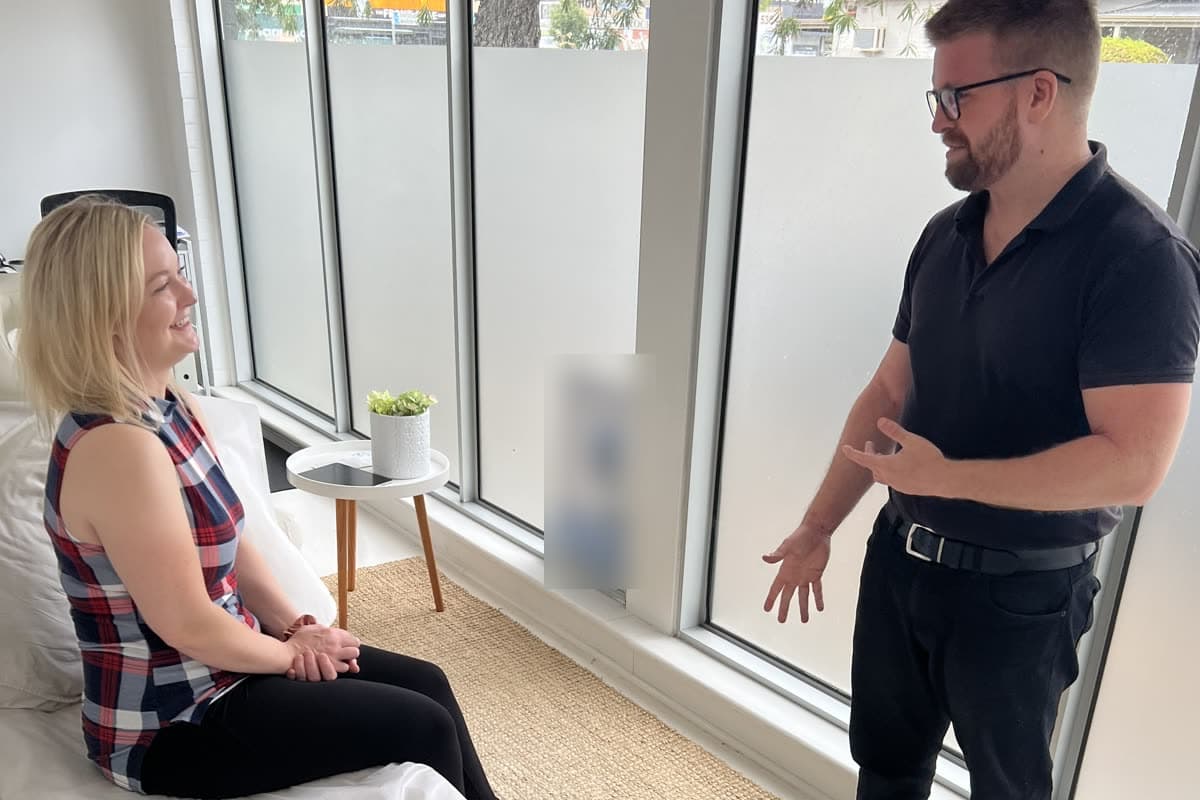
You Tell Us
We listen carefully, ask the right questions, and build a clear picture of what has been going on.

We Assess
Hands-on testing and biostructural analysis to identify what may be contributing to your concern.

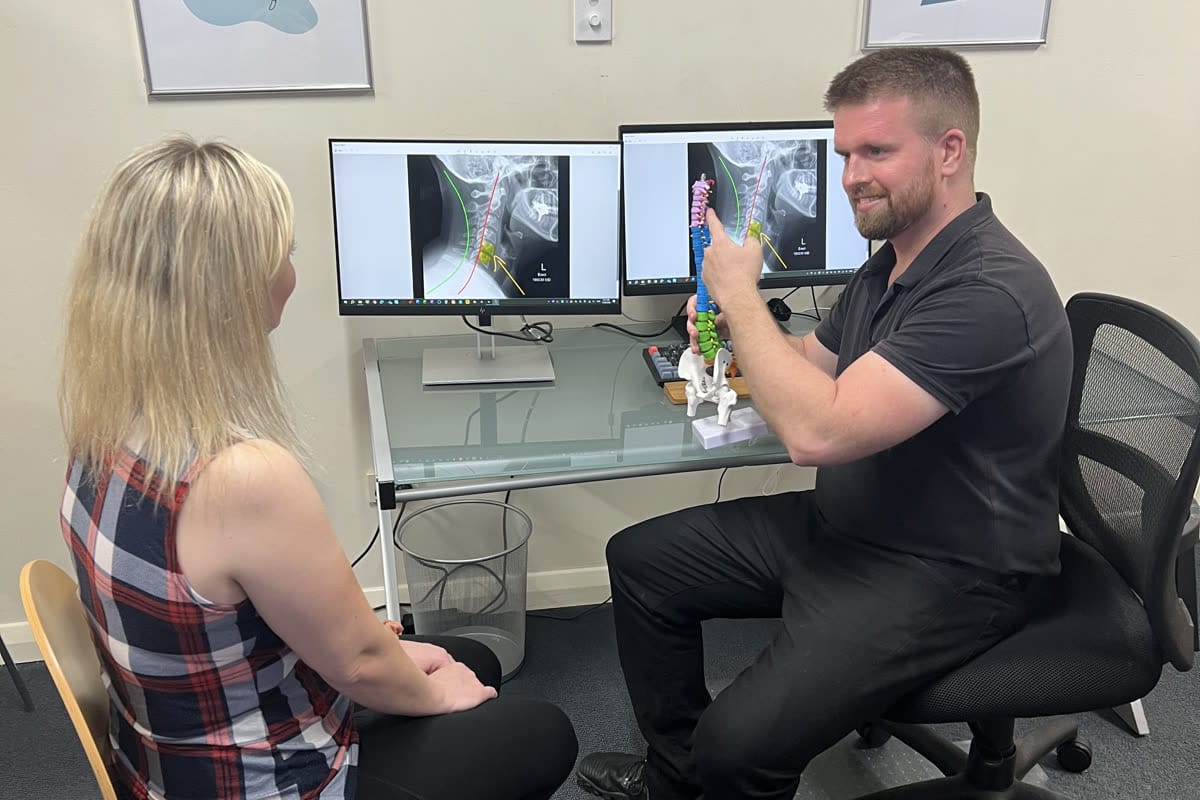
We Explain
We walk you through our findings and your options in plain language. If imaging is recommended, we will explain why and discuss your options.
X-rays are only referred for with your consent, and where eligible, may be bulk billed.*

Care May Begin
Where clinically appropriate, care may begin on your first visit to help support relief.*
We offer both traditional hands-on chiropractic techniques and gentle, low-force approaches, tailored to your comfort. Care only proceeds with your consent.

Ready to Get Started?
Your first visit takes about 30 minutes. No referral needed, no lock-in plans. The decision is always yours.
Book Your First Visit*Subject to clinical assessment and suitability criteria. Bulk billing subject to eligibility criteria and clinical need.
Transparent, Affordable Fees
Source: Australian Chiropractors Association Consultation Fee Survey 2025 (SA data). *Care provided where clinically appropriate, subject to assessment.
Care that fits your day
528 Marion Road, Plympton Park SA 5038
Ready to Get Started? We're Ready When You Are.
Choose a time that works for you. No referral needed.

Dr Sam Johnson (Chiropractor)
B.Sc.(Chiro), M.Chiro.(Macq)
$69
Initial Consultation
Up to 30 minutes, including full assessment
Book Your First VisitPrefer to call? (08) 8297 5277
Text: 0400 105 454 | Email: wecanhelp@stapletonchiropractic.com.au
You will receive a confirmation email with all details immediately after booking.