Slipped Disc, Herniated Disc & Sciatica Chiropractor in Adelaide

78+ Google Reviews All Major Health Funds No Referral Needed Free On-Site Parking
Dr Sam Johnson (Chiropractor) Principal Chiropractor at Stapleton Chiropractic Adelaide
Dr Sam Johnson (Chiropractor) Principal Chiropractor B.Sc.(Chiro), M.Chiro.(Macq) Australian Chiropractors Association Member

If a slipped disc or sciatic pain has been affecting your day-to-day, you are not alone. I have spent over 10 years at Stapleton Chiropractic assessing patients whose back pain has quietly been limiting work, sleep, driving, and training. Many are worried about the word “disc” and are unsure whether conservative care can help or whether they need imaging, a GP opinion, or surgery. A clear assessment is the fastest way to tell.

My priority when you walk in is simple: help you feel better. From there, I take the time to explain what I am finding, what may be contributing, and what your options look like. Then the decision is yours. I will map out the path, but you are always in control.

I completed my Bachelor of Chiropractic Science and Master of Chiropractic at Macquarie University in Sydney. I work with people across all ages and walks of life, and I am as happy to co-manage your care with your GP as I am to refer on if something else suits you better.

If you have any questions, feel free to get in touch with our friendly team. I look forward to helping you with your lower back pain or sciatica.

Book a time to see Dr Sam →

Dr Sam Johnson (Chiropractor)
Principal Chiropractor, Stapleton Chiropractic

That sharp pain shooting into your leg when you bend. The stabbing lower back that won’t shake. The pins and needles in your foot that won’t stop. “Slipped disc” and “sciatica” are the words most people use. At Stapleton Chiropractic, we start with a thorough hands-on assessment of your lower back, pelvis, and neurological signs (reflexes, sensation, strength), explain what we find in plain language, and discuss your options.

78+ Google Reviews ✅ Private Health Accepted 🅿️ On-Site Parking 📍 528 Marion Rd, Plympton Park
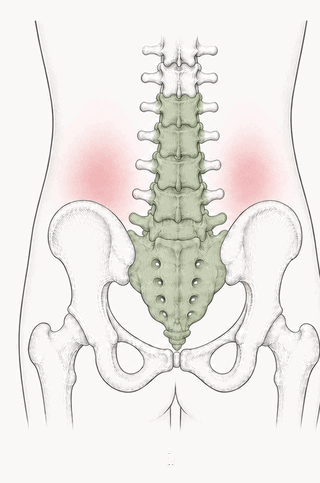
Slipped disc is a common lay term for a lumbar or cervical disc bulge, herniation, or prolapse, where disc material shifts and may irritate adjacent spinal nerves. Sciatica is a frequent presentation. Chiropractic care may help manage most conservative cases through assessment, manual therapy, and graded exercise; individual responses vary.

Does this sound familiar?

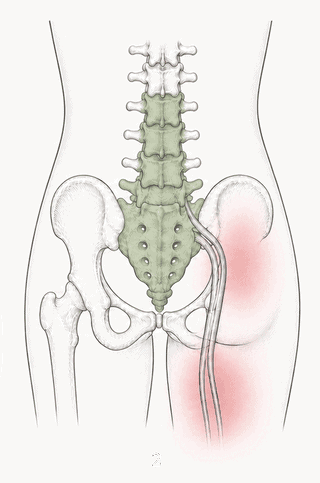
“Slipped disc” and “sciatica” describe related patterns where a lumbar disc may be bulging, herniated, or torn and irritating a nearby nerve root. At Stapleton Chiropractic in Adelaide (Est. 1972), a lower back assessment is $69 and includes a hands-on examination of your lumbar spine, pelvis, and neurological function (reflexes, sensation, strength).

Tap the one that feels most like what you are dealing with.

🦵

Pain shooting down your leg when you bend or lift

Reaching for something off the floor, getting up from a chair, or lifting a grocery bag triggers sharp pain into the leg. You start bracing before you move.

Tap to understand why

This pattern may indicate radicular pain (sciatica) from a lumbar disc bulge or herniation irritating a nerve root at L4, L5, or S1. Leg pain that travels below the knee is a particular clue.

A 2006 Santilli RCT suggested spinal manipulation may reduce pain and disability in acute back and leg pain with disc protrusion.[4]

A neurological screen may help identify which nerve root is involved.

*General information only. This is not a diagnosis and does not replace a proper clinical assessment. Individual presentations vary.

🪑

A stabbing lower back that worsens with sitting

Driving, desk work, or a long car trip flares it up. Standing eases it briefly; sitting brings it back. Mornings are often stiff.

Tap to understand why

This pattern may indicate mechanical lower back pain with a discogenic component. Sitting loads the lumbar discs more than standing, and flexion-dominant pain often points to the disc.

A 2017 JAMA systematic review of 26 RCTs by Paige et al. found spinal manipulative therapy may provide modest short-term improvements in pain and function for acute low back pain.[2]

A careful assessment can help clarify whether the disc is likely the driver.

*General information only. This is not a diagnosis and does not replace a proper clinical assessment. Individual presentations vary.

Pins, needles, or numbness in your leg or foot

A patch of tingling or dead-zone feeling below the knee, or down the back of the thigh. Sometimes your foot seems weaker than usual.

Tap to understand why

Sensory disturbance down the leg may suggest nerve-root irritation, commonly from a lumbar disc. UK NICE NG59 recommends conservative care (exercise, manual therapy, self-management) as first-line for low back pain with or without sciatica, alongside red-flag screening at every visit.[1]

Persistent or progressive weakness or numbness warrants prompt assessment.

*General information only. This is not a diagnosis and does not replace a proper clinical assessment. Individual presentations vary.

🛌

Back that locks up in the morning or after rest

Shuffling to the bathroom bent forward, waiting for the back to “release”. Tends to ease with movement but returns once you sit again.

Tap to understand why

Discogenic lower back pain often responds poorly to sustained flexion and may improve with positional change and graded movement. A 2010 UK evidence report by Bronfort et al. reported evidence supporting spinal manipulation for acute, subacute, and chronic low back pain, with moderate evidence for chronic low back pain with sciatica.[3]

Understanding what eases and what aggravates your pain is a key part of the assessment.

*General information only. This is not a diagnosis and does not replace a proper clinical assessment. Individual presentations vary.

Chiropractors in Adelaide commonly assess and manage lumbar disc problems and sciatic nerve pain. At Stapleton Chiropractic, we focus on exploring whether a lumbar disc may be contributing, whether a nerve root is irritated, and whether conservative care is likely to help (or whether you should be directed toward imaging or a GP or surgical opinion).

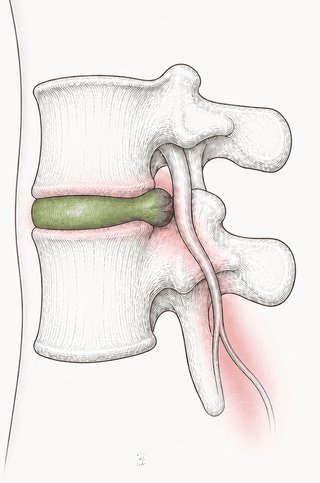
“Slipped disc” is a common description rather than a clinical diagnosis. Discs do not actually slip. What can happen is the disc bulges, herniates (prolapses), or tears, which may irritate nearby nerves and cause back pain, buttock pain, or leg pain (sciatica). Research suggests most disc-related pain episodes may improve with conservative care over weeks to months. Individual responses vary.

*All care is provided subject to clinical assessment and individual suitability. The information above is general and does not constitute a medical diagnosis.

What to Expect at Your First Visit

Your first visit is a 30-minute consultation costing $69. It includes a thorough hands-on assessment of your lower back, pelvis, and neurological function (reflexes, sensation, strength), a plain-language explanation of findings, and treatment on the same day where clinically appropriate. No referral is needed, and the decision about care is always yours.

Allow up to 30 minutes for a comprehensive initial consultation. Here is how it works.

1

You Tell Us

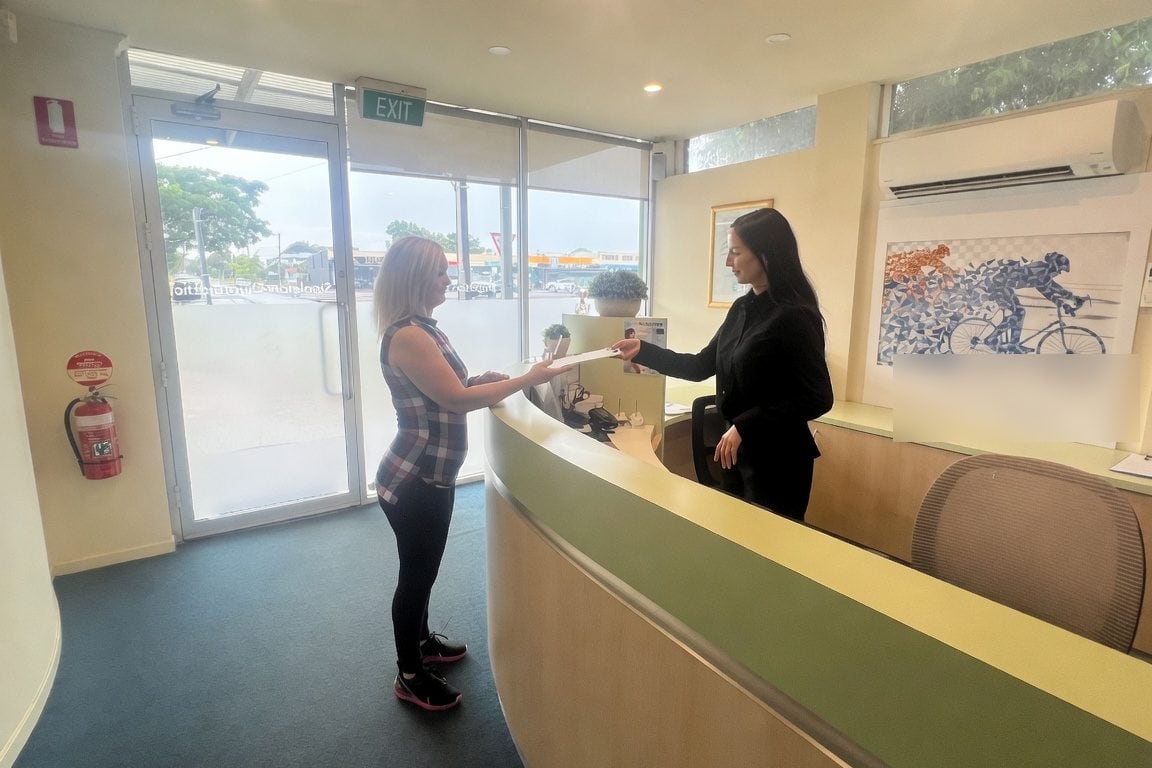
We listen carefully, ask the right questions, and build a clear picture of what has been going on with your neck.

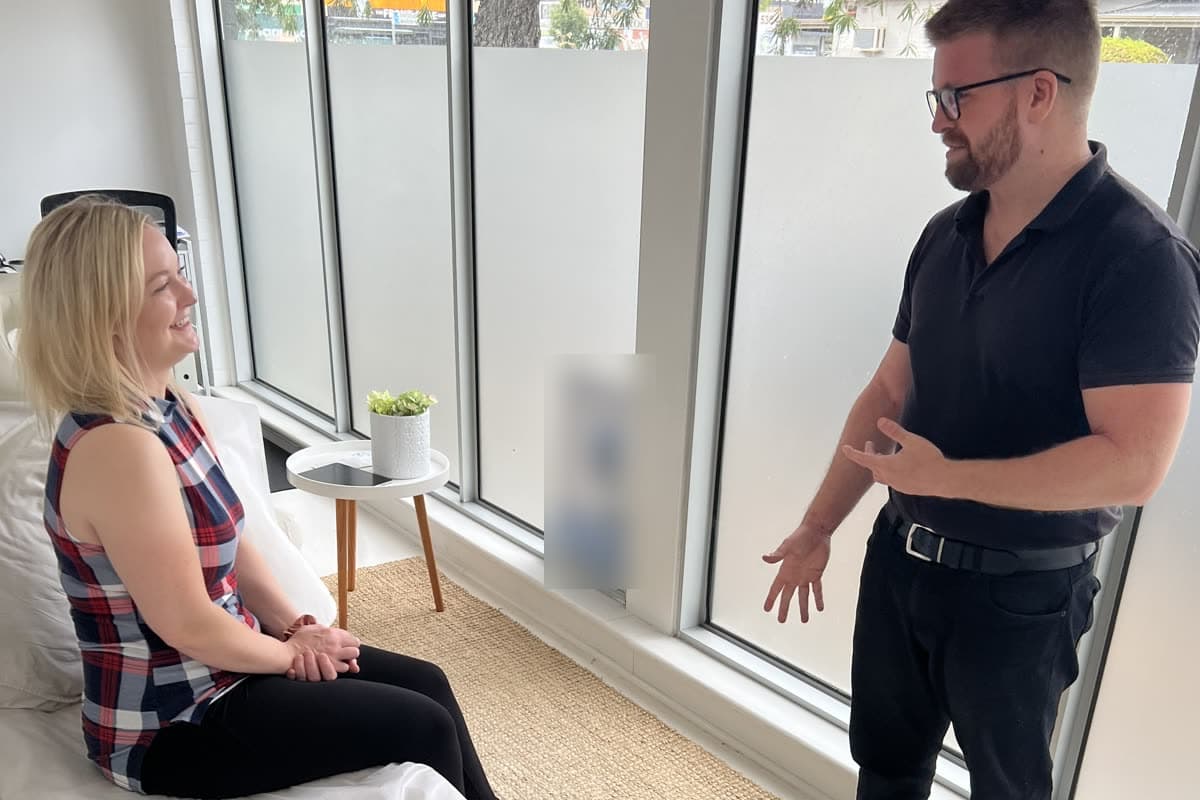
Patient consultation for slipped disc and sciatica at Stapleton Chiropractic Plympton Park Adelaide
2

We Assess

Hands-on testing and biostructural analysis to identify whether a lumbar disc or nerve root is likely contributing to your symptoms.

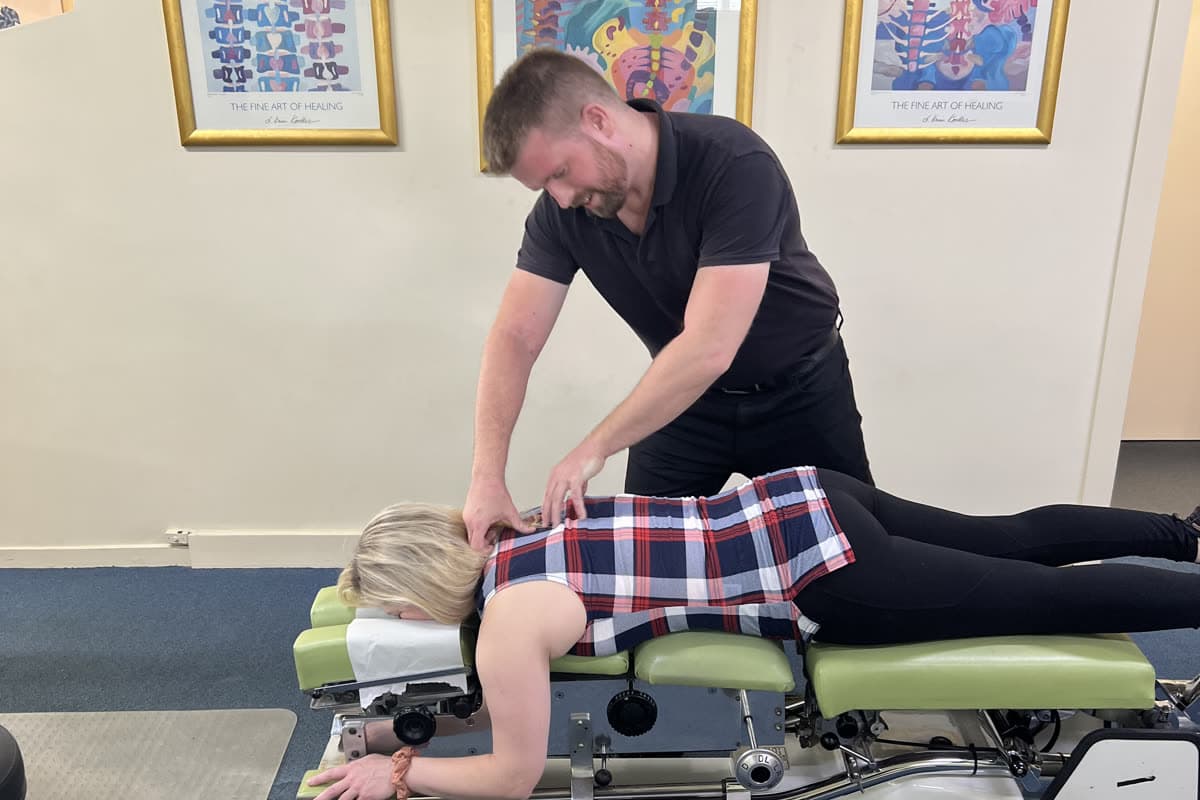
Physical assessment for slipped disc and sciatica at Stapleton Chiropractic Adelaide
3

We Explain

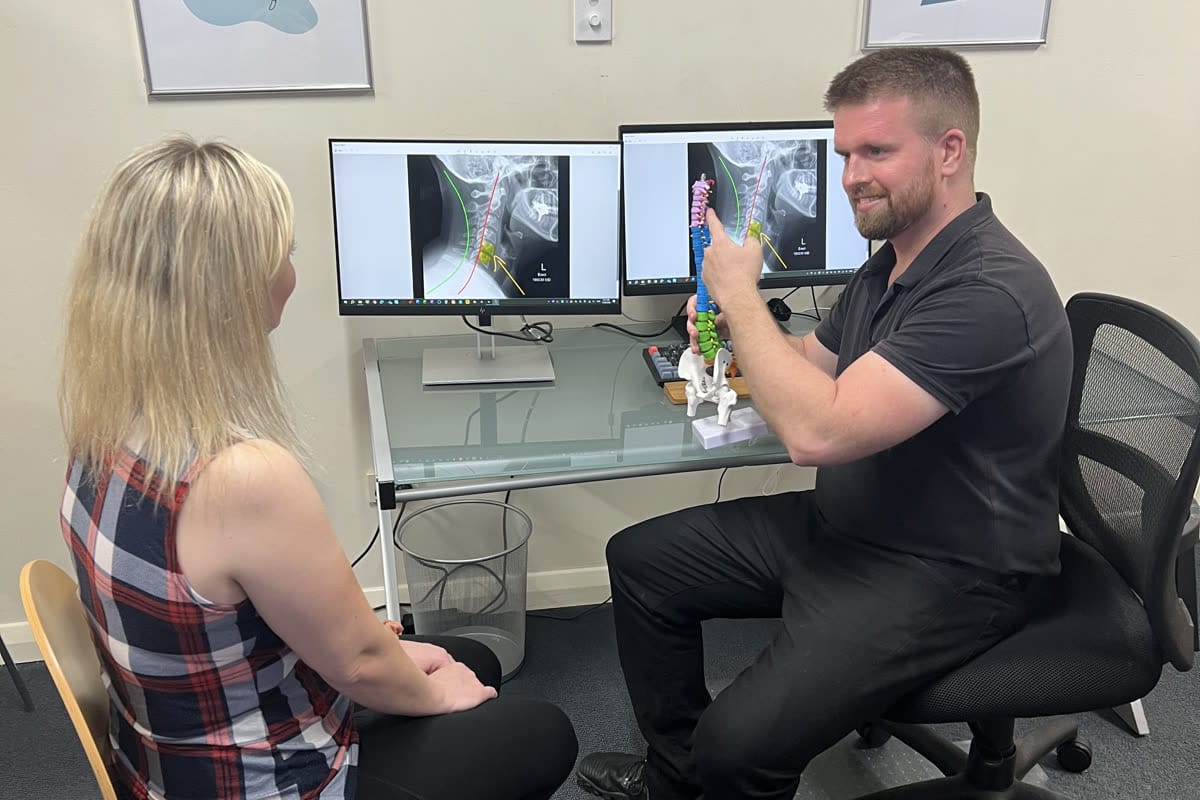
We walk you through our findings and your options in plain language. If imaging is recommended, we will explain why and discuss your options.

X-rays are only taken with your agreement, and where eligible, may be bulk billed.*

Dr Sam Johnson (Chiropractor) reviewing disc and sciatica assessment findings with patient
4

Care May Begin

Where clinically appropriate, care may begin on your first visit to help support relief.*

We offer both traditional hands-on chiropractic techniques and gentle, low-force approaches, tailored to your comfort. Care only proceeds with your consent.

Chiropractic care for slipped disc and sciatica at Stapleton Chiropractic Plympton Park

Ready to Get Started?

Your first visit takes about 30 minutes. No referral needed, no lock-in plans. The decision is always yours.

Book Your First Visit

*Subject to clinical assessment and suitability criteria. Bulk billing subject to eligibility criteria and clinical need.

How much does a chiropractor for a slipped disc cost in Adelaide?

Your first visit is over 40% below the South Australian average.

Initial consultation
$69
Stapleton Chiropractic
$122
SA average
Standard visit
$60
Stapleton Chiropractic
$71
SA average
Save over 40% on your first visit
Book Your First Visit

Source: Australian Chiropractors Association Consultation Fee Survey 2025 (SA data).

Quick answers before you book

How much does a first visit cost?

$69 initial consultation (30 minutes). Most health funds provide a rebate on the spot.

Is it safe to see a chiropractor with a disc problem?

Assessment comes first. If chiropractic care is not appropriate for your presentation, we will tell you and refer you to the right provider. The decision is always yours.

Do I need a GP referral?

No referral needed. You can book directly.

Do you accept private health insurance?

Yes — all major health funds accepted. Bring your card and we process your rebate at the time of your visit.

Will the assessment be painful?

Gentle techniques tailored to your comfort. Dr Sam explains everything before proceeding — nothing happens without your understanding and consent.

*All care is provided subject to clinical assessment and individual suitability. Individual responses to treatment vary.


Care that fits your day

7am–7pm Mon–Fri
Saturday mornings
🚗Free parking
🧭Easy access via Marion Road
Before/after work, school drop-off & errands
📍
Stapleton Chiropractic
528 Marion Road, Plympton Park SA 5038

Ready to Get Started? We're Ready When You Are.

Choose a time that works for you. No referral needed.

Your First Visit
Dr Sam Johnson, Chiropractor at Stapleton Chiropractic Adelaide

Dr Sam Johnson (Chiropractor)

B.Sc.(Chiro), M.Chiro.(Macq)

$69

Initial Consultation

Up to 30 minutes, including full assessment

Book Your First Visit
Open 6 days All major health funds Free parking

Prefer to call? (08) 8297 5277

Text: 0400 105 454  |  Email: wecanhelp@stapletonchiropractic.com.au

You will receive a confirmation email with all details immediately after booking.

What causes disc problems and sciatica?

Disc problems usually develop from a combination of mechanical load, repetitive strain, and age-related change. The lumbar spine takes significant load during lifting, bending, and prolonged sitting, which over time may lead to disc bulge, herniation, or annular tear. Many people have some degree of disc change on imaging without any symptoms at all; the question is whether mechanical factors are contributing to your pain today and what can be done about it.

Common contributing factors we screen for at Stapleton Chiropractic:

  • Lifting and bending under load — repeated or sudden bending and twisting while lifting is a well-documented mechanism for acute disc herniation
  • Prolonged sitting and sedentary work — sitting increases pressure within lumbar discs compared with standing
  • Age-related disc degeneration — discs naturally lose hydration and height with age, which changes how load is transferred
  • Previous back injury — a prior episode of significant back pain, especially with leg symptoms, increases recurrence likelihood
  • Sudden load or trauma — a fall, motor vehicle accident, or heavy lift at the wrong angle may trigger acute injury
  • Smoking, deconditioning, and general health — research associates these with higher rates of disc problems and slower recovery

Who gets disc problems and sciatica?

Lumbar disc problems peak between ages 30 and 50, but can affect people across all adult ages. Low back pain is the leading cause of disability globally and the single largest contributor to years lived with disability in Australia.[8] In Adelaide, we commonly see these groups:

Tap the one that sounds like you.

👷

Tradies & Manual Workers

Heavy lifting, twisting under load, repetitive bending

Tap
💻

Office & Desk Workers

Prolonged sitting, static flexion, deconditioning

Tap
🚗

Drivers & Delivery Workers

Sustained flexion, vibration, repeated lifting in and out of vehicles

Tap
🏥

Nurses, Aged Care & Allied Health

Patient handling, bending, twisting, night-shift fatigue

Tap
👨‍👩‍👧

Parents & Carers

Lifting children, awkward bending, interrupted sleep

Tap
🏋️

Gym, Sport & Active Adults

Heavy deadlifting, squatting, spinal loading under fatigue

Tap
👷

Tradies & Manual Workers

What you might be feeling:
  • A sudden giving-way of the back when lifting or twisting on the job
  • Sharp pain radiating down one leg, often with pins and needles
  • Pain worse the morning after a big day on site
  • Difficulty getting in and out of the ute, putting on socks, or lifting the kids

Construction, landscaping, trade, and removalist work combine heavy load with flexion and rotation, which is the textbook mechanism for lumbar disc injury. If your back gives way mid-job or you feel a sudden pain with pins and needles down a leg, it is worth having it assessed properly rather than working through it.

The Stapleton Chiropractic connection:

Tradies with acute lumbar disc pain are one of the most common presentations we see. We assess the lumbar spine, pelvis, and neurological status, screen red flags, and build a plan around getting you back to work safely rather than taking an indefinite break.

A proper assessment:

Working through a disc injury on site can make it worse. A proper assessment gives you a clear picture of what is happening and what to do about it.

💻

Office & Desk Workers

What you might be feeling:
  • Lower back pain that builds through the afternoon and is worst when standing up from a chair
  • Pain or stiffness after a long drive or a flight
  • A dull ache in the back with occasional shooting pain down a leg
  • Difficulty sitting for more than 30 to 60 minutes

Sitting increases pressure within lumbar discs, and hours in a flexed posture behind a monitor progressively loads the lumbar spine. Many desk workers notice the pain after standing up, on long drives, or after flights. We assess lumbar mechanics, core control, and workstation habits.

The Stapleton Chiropractic connection:

We assess your lumbar spine, hip flexibility, and how you load your back when sitting, standing, and lifting. Practical guidance on workstation setup, movement breaks, and graded exercise forms part of every plan.

A proper assessment:

Office-related back pain with a discogenic pattern has well-understood contributing factors. A proper assessment can help identify what is driving it in your case.

🚗

Drivers & Delivery Workers

What you might be feeling:
  • Deep lower back ache that builds through a shift and eases after walking
  • Sharp stab when getting in and out of the vehicle or unloading
  • Leg pain or numbness by the end of the day
  • Difficulty sleeping due to back pain at night

Hours behind the wheel combine flexion, vibration, and load, which can accelerate disc change. Delivery and rideshare work adds repeated lifting in and out of the vehicle, often in awkward positions. An assessment can identify what is contributing and what can be modified.

The Stapleton Chiropractic connection:

We regularly see drivers and delivery workers with lumbar disc pain. We assess the spine, hips, and pelvis, and provide practical guidance on seat position, breaks, and load handling.

A proper assessment:

If driving for a living is making your back worse, a proper assessment can help you understand why and what to do about it.

🏥

Nurses, Aged Care & Allied Health

What you might be feeling:
  • Lower back pain after a heavy patient transfer or handling shift
  • Leg pain or numbness after sustained bending and lifting
  • Fatigue and deconditioning compounded by night-shift rotation
  • Pain that is worse in the first hour after waking, then eases with movement

Patient handling is one of the highest-risk occupational activities for lumbar disc injury. Night shifts and interrupted sleep compound the load. We work around rotating schedules with our extended hours and assess the specific load patterns that develop from your work.

The Stapleton Chiropractic connection:

We assess the lumbar spine and pelvis and screen red flags thoroughly. Our 7am–7pm weekday hours and Saturday mornings fit around rotating-shift rosters.

A proper assessment:

Your body works hard for everyone else. A proper assessment helps us understand what is contributing and lets us recommend the most appropriate care.

👨‍👩‍👧

Parents & Carers

What you might be feeling:
  • Back pain after lifting your child out of a cot, bath, or car seat
  • A sharp catch in the back when bending to pick up toys
  • Pain and fatigue compounded by broken sleep
  • A recurrent lower back pain that started with your first pregnancy or post-partum

Lifting a growing child out of a cot, a car seat, or the bath is a frequent mechanism for acute lumbar injury, especially in the early weeks after having a baby. We tailor assessment and care around the reality of family life.

The Stapleton Chiropractic connection:

We see busy parents with lumbar disc presentations every week. Saturday mornings, extended weekday hours, and practical home-and-family guidance make the care plan workable rather than theoretical.

A proper assessment:

You do not have to accept recurrent back pain as part of being a parent. A proper assessment can identify what is contributing and give you options.

🏋️

Gym, Sport & Active Adults

What you might be feeling:
  • A sudden sharp back pain during a heavy deadlift or squat session
  • Leg pain or tingling after heavy compound lifts
  • A dull ache that lingers the day after training
  • Difficulty getting back to full training volume after a flare

Heavy compound lifts, loaded spine work, and fatigue-related technique breakdown are common triggers for lumbar disc injury. We assess mechanics, load tolerance, and rehabilitation pathways so you can keep training around the injury where clinically appropriate.

The Stapleton Chiropractic connection:

We work with lifters, runners, and active adults regularly. Plans focus on getting you back to training rather than avoiding it indefinitely, with graded return-to-load guidance where appropriate.

A proper assessment:

If your training is being limited by back pain, a proper assessment can identify what is contributing and what the return-to-training pathway may look like.

Economic impact: Low back pain is the leading cause of disability globally and the single largest contributor to years lived with disability in Australia.[8] The annual direct and indirect economic cost of low back pain in Australia has been estimated in the billions.[9]

*All care is provided subject to clinical assessment and individual suitability. Individual responses to treatment vary.
🚨

When to seek urgent care for disc and sciatica symptoms

*General information only — not a substitute for medical advice

Most disc and sciatic presentations are not caused by serious medical conditions, but some warning signs warrant prompt medical assessment. If any of the features below apply, contact your GP, call healthdirect on 1800 022 222, or call 000 for urgent symptoms.

🚽

Loss of bladder or bowel control

New difficulty passing urine, loss of bladder or bowel control, or new numbness in the saddle area may indicate a spinal cord emergency. Seek emergency care immediately.

🦵

Progressive leg weakness

Rapidly worsening weakness in one or both legs, foot drop, or difficulty lifting the foot or toes needs urgent medical assessment. Do not wait to see if it settles.

🩺

Saddle anaesthesia

Numbness or loss of sensation across the saddle area (between the legs, inner thighs, around the back passage) may indicate spinal cord compression. Seek emergency care immediately.

🚑

Severe pain after trauma

Severe lower back or leg pain after a fall, motor vehicle accident, or significant trauma warrants prompt medical assessment to exclude fracture or serious injury.

🌡️

Fever, unexplained weight loss, or night pain

Back pain with fever, unexplained weight loss, night pain that wakes you from sleep, or a history of cancer needs GP review to rule out infection or other serious causes.

📞

Call 000 immediately if you experience new bladder or bowel changes, saddle numbness, or rapidly progressive leg weakness. These are emergency features and must not be delayed.

Your first visit at Stapleton Chiropractic includes a detailed lower back and sciatic pain history. If anything in your presentation suggests you should be assessed by a GP or medical services before starting chiropractic care, we'll tell you and support referral.

The health and wellbeing of you, your family, and your friends is our priority.

💚

Is your lower back pain actually a disc problem?

Often yes, often no. Lower back pain and sciatica overlap significantly, but not every episode of low back pain is caused by a disc, and not every disc problem causes sciatica. A thorough assessment is the only reliable way to tell the two apart and guide treatment.

Lower back pain is the single most common presentation we see, and it can come from muscles, facet joints, the sacroiliac joint, the disc itself, or referred sources. Disc-related pain often (but not always) involves leg symptoms (sciatica, pins and needles, weakness) in addition to back pain. Muscle and facet-driven pain tends to stay more localised to the back.

When leg pain dominates (below the knee is a particular pattern), a lumbar disc with nerve-root irritation is a strong candidate. When the pain is mostly in the buttock and thigh and worsens with extension or rotation, facet involvement may be more likely. Our job at assessment is to work out which pattern fits your presentation.

The good news is that management follows similar general principles either way — encourage movement, reduce flare-ups, address contributing factors, monitor for red flags — but the emphasis changes. For a suspected disc with radiculopathy, guidelines favour a cautious graduated approach and early screening for red flags. For mechanical lower back pain without nerve involvement, active rehabilitation starts earlier.

If you are not sure whether your pain is a “slipped disc” or “just lower back pain”, an assessment is the fastest way to find out. The decision about care is always yours. Read more about how we assess and manage lower back pain →

How may chiropractic care help with a slipped disc or sciatica?

For mechanical lower back pain and lumbar radiculopathy (sciatica), contemporary clinical guidelines including UK NICE NG59 and the US American College of Physicians guideline recommend non-pharmacological care as first-line management.[1][5] Spinal manipulation, mobilisation, and exercise are specifically listed as evidence-informed conservative options. Chiropractic care delivers these within a single provider, and where indicated we coordinate with GPs, imaging services, and surgical opinion.

Care is hands-on and tailored to your presentation. Depending on assessment findings and your preference, management may include lumbar mobilisation or manipulation, flexion-distraction or traction-style techniques for disc presentations, targeted soft-tissue work, neural mobilisation, and a graduated exercise program. Low-force and gentler approaches are available if you are cautious or in acute pain. Nothing proceeds without your consent.

Your initial assessment

Your initial assessment includes a thorough history (mechanism of onset, pain pattern, what helps and hurts, red-flag screen), a focused lumbar examination, and a neurological screen (reflexes, sensation, strength, straight-leg raise, other nerve-tension tests where appropriate). We also check how you move — walking, bending, sitting, standing — because the movement signature often tells us more than any single test.

Tailored management approaches

Based on your assessment findings, a management plan may include spinal manipulation or mobilisation, flexion-distraction for disc presentations, soft-tissue work, neural mobilisation, and a graduated exercise program. The 2019 BMJ systematic review by Rubinstein et al. found spinal manipulative therapy produced similar effects to recommended therapies for chronic low back pain, with no clinically relevant differences.[6]

Gentle and low-force options available

Not everyone is comfortable with traditional manual adjustments, particularly during an acute disc flare. We offer a range of gentle, low-force techniques including instrument-assisted adjustments, mobilisation, and flexion-distraction. We discuss your options before any care begins, and nothing proceeds without your consent.

Comparing your options for a slipped disc or sciatica

Tap a tab below to see how each approach compares

ChiropracticPhysiotherapyCold Laser Therapy
Primary focusLumbar joint function, disc-loading patterns, neurological screen, mobilisation and manipulation where appropriateExercise rehabilitation, movement retraining, graded return to activity and loadSoft-tissue inflammation and pain signalling at a cellular level via targeted light energy
Common techniquesSpinal manipulation, mobilisation, flexion-distraction, neural mobilisation, instrument-assisted adjustmentsTherapeutic exercise, motor-control retraining, dry needling, manual therapyPhotobiomodulation applied to the lumbar paraspinals and surrounding soft tissue
Evidence for disc / sciaticaNICE NG59 and ACP recommend SMT within multimodal care; 2006 RCT (Santilli) for sciatica with disc protrusionStrong evidence for exercise and graded activity in lumbar disc presentations and sciatica recoveryLower-level evidence for lumbar pain; often used alongside chiropractic care for pain and muscle tension
Referral needed?No. Primary contact practitionerNo. Primary contact practitionerNo. Available here at Stapleton Chiropractic
Typical at StapletonHistory, red flag screen, lumbar examination, neurological screen, manual therapy, exercise prescriptionN/A — we can refer if physiotherapy is more appropriate for your presentationMulti-Radiance MR5 ACTIV PRO device, applied alongside chiropractic care where clinically appropriate
When to considerMechanical lower back pain, lumbar radiculopathy / sciatica, discogenic pain patternsPresentations that are primarily exercise-rehab driven, or after an initial chiropractic assessment identifies that focusWhen symptoms are more soft-tissue or inflammatory in nature (muscle, tendon, bursa, or inflammatory conditions more broadly). Offered at Stapleton Chiropractic.
Primary focus
Lumbar joint function, disc-loading patterns, neurological screen, mobilisation and manipulation where appropriate
Common techniques
Spinal manipulation, mobilisation, flexion-distraction, neural mobilisation, instrument-assisted adjustments
Evidence for disc / sciatica
NICE NG59 and ACP recommend SMT within multimodal care; 2006 RCT (Santilli) for sciatica with disc protrusion
Referral needed?
No. Primary contact practitioner
Typical at Stapleton
History, red flag screen, lumbar examination, neurological screen, manual therapy, exercise prescription
When to consider
Mechanical lower back pain, lumbar radiculopathy / sciatica, discogenic pain patterns
Primary focus
Exercise rehabilitation, movement retraining, graded return to activity and load
Common techniques
Therapeutic exercise, motor-control retraining, dry needling, manual therapy
Evidence for disc / sciatica
Strong evidence for exercise and graded activity in lumbar disc presentations and sciatica recovery
Referral needed?
No. Primary contact practitioner
Typical at Stapleton
N/A — we can refer if physiotherapy is more appropriate for your presentation
When to consider
Presentations that are primarily exercise-rehab driven, or after an initial chiropractic assessment identifies that focus
Primary focus
Soft-tissue inflammation and pain signalling at a cellular level via targeted light energy
Common techniques
Photobiomodulation applied to the lumbar paraspinals and surrounding soft tissue
Evidence for disc / sciatica
Lower-level evidence for lumbar pain; often used alongside chiropractic care for pain and muscle tension
Referral needed?
No. Available here at Stapleton Chiropractic
Typical at Stapleton
Multi-Radiance MR5 ACTIV PRO device, applied alongside chiropractic care where clinically appropriate
When to consider
When symptoms are more soft-tissue or inflammatory in nature (muscle, tendon, bursa, or inflammatory conditions more broadly). Offered at Stapleton Chiropractic.

Why This Matters for You

At Stapleton Chiropractic we offer both chiropractic and cold laser under one roof, so we can address structural, soft-tissue, and inflammatory components.

If we think a physio, GP, or specialist would serve you better, we’ll tell you. Either way, our goal is to make sure you get the care that’s right for you.

*All care is provided subject to clinical assessment and individual suitability. Individual responses to treatment vary.
What does the research say about chiropractic for disc problems and sciatica?

Clinical guidelines (UK NICE NG59 and the US American College of Physicians) recommend non-pharmacological care as first-line management for low back pain with or without sciatica.[1][5] Spinal manipulation, mobilisation, and exercise are specifically listed as evidence-informed conservative options. Evidence for manual therapy in sciatica / lumbar radiculopathy is modest but supportive in carefully selected cases.

Chiropractic care for lumbar disc problems is an option to consider when mechanical contributors appear to be involved. Evidence has strengthened over the past decade, particularly for acute and subacute presentations.

Guideline 2016

NICE NG59: Low Back Pain and Sciatica Guideline

UK National Institute for Health and Care Excellence guideline on non-invasive management of low back pain and sciatica in over 16s. Recommends self-management advice, exercise, and manual therapy (including spinal manipulation) within a package of care. Cautions against routine imaging for non-specific low back pain.[1]

Systematic Review 2017

Paige et al. 2017: SMT for Acute Low Back Pain

Systematic review and meta-analysis of 26 RCTs (1,711 patients) on spinal manipulative therapy for acute low back pain. Found SMT provided modest short-term improvements in pain and function compared with sham, passive modalities, or no treatment. Safety profile comparable to other conservative interventions.[2]

Evidence Report 2010

Bronfort et al. 2010: UK Evidence Report on Manual Therapy

Comprehensive evidence report (887 randomised trials reviewed) on manual therapy for musculoskeletal conditions. Found evidence supporting spinal manipulation for acute, subacute, and chronic low back pain, and moderate evidence for chronic low back pain with sciatica.[3]

RCT (SCIATICA) 2006

Santilli et al. 2006: SMT for Sciatica with Disc Protrusion

Randomised double-blind clinical trial of active versus simulated spinal manipulation in 102 patients with acute back pain and sciatica with disc protrusion. Active manipulation was associated with reduced pain and disability at short-term follow-up. Appropriate patient selection and red-flag screening are critical.[4]

*All care is provided subject to clinical assessment and individual suitability. Individual responses to treatment vary.
What the research says

“Consider manual therapy (spinal manipulation, mobilisation or soft-tissue techniques such as massage) for managing low back pain with or without sciatica, but only as part of a treatment package including exercise, with or without psychological therapy.”

NICE Guideline NG59, 2016

“Spinal manipulative therapy for acute low back pain is associated with modest improvements in pain and function at up to 6 weeks, with transient minor musculoskeletal harms as the most common adverse event.”

Paige et al., JAMA 2017

Why choose Stapleton Chiropractic for slipped disc and sciatica?

🤝

Over 50 Years of Trusted Care

Stapleton Chiropractic has been part of the Plympton Park community since 1972. That is over 50 years of continuous operation supporting Adelaide families with their musculoskeletal health. We have seen how chiropractic care has evolved over five decades and we apply that experience to every patient we see.

🎓

Qualified, Registered, and Experienced

Dr Sam Johnson (Chiropractor) holds a Bachelor of Chiropractic Science and Master of Chiropractic from Macquarie University. He is registered with AHPRA and is a member of the Australian Chiropractors Association. Dr Johnson has been with the practice for over 10 years and became Principal Chiropractor in 2021.

Hours, Parking, and Pricing That Work

We are open 7am to 7pm weekdays and Saturday mornings, designed to fit around your work schedule. Free on-site parking. Your initial consultation is $69, well below the South Australian average of $122. All major private health funds accepted. No lock-in plans, no referral required.

Your Care, Your Choice

Whether you are looking for relief now or relief plus answers, your goals are our goals. We respect your autonomy at every step. No commitment to ongoing care, no lock-in plans. Where clinically appropriate, treatment may begin on your first visit.*

*Subject to clinical assessment and individual suitability.

Frequently asked questions about slipped disc, herniated disc, and sciatica

Common questions from patients and from people searching online, answered by Dr Sam Johnson (Chiropractor).

How much does a chiropractor cost at Stapleton Chiropractic?

Your initial consultation is $69, which is over 40% below the South Australian average of $122 (ACA Fee Survey 2025). Standard follow-up visits are $60. All major private health funds accepted, and we provide a receipt at the end of your visit so you can lodge your rebate via your fund’s app.

No lock-in plans, no pressure. If you have prepaid for sessions you do not end up using, we refund them in full. See our full pricing and health fund guide for details.

What happens at my first visit for a suspected slipped disc or sciatica?

Allow up to 30 minutes. We take a detailed history (mechanism of onset, pain pattern, what makes it better or worse, red-flag screen) and perform a focused lumbar and neurological examination (reflexes, sensation, strength, straight-leg raise).

We explain our findings in plain language, outline options including when referral for imaging or a GP opinion is warranted, and where clinically appropriate, care may begin on your first visit. Learn more about what to expect at your first visit.

Can a chiropractor help with a slipped disc?

“Fix” is a word we avoid because outcomes depend on many individual factors. What chiropractic care may offer is a structured approach to managing lumbar disc pain and sciatica, including manual therapy, mobilisation, and rehabilitation exercises. Research supports conservative care as first-line management for most presentations, but individual responses vary and some presentations need medical or surgical input.

Is chiropractic safe if I have a confirmed herniated disc?

Many people with confirmed disc herniation are managed conservatively and may benefit from hands-on care, but it is not a one-size-fits-all situation. A careful assessment identifies whether the presentation is appropriate for manual therapy, which techniques are suitable, and whether a gentler or lower-force approach is more appropriate in your case.

Do I need an MRI or CT scan before treatment?

Not always. Clinical guidelines (including NICE NG59) caution against routine imaging for non-specific low back pain because it often shows changes that are not the cause of symptoms. Imaging is indicated when red flags are present, when progress is not being made as expected, or when surgical opinion is being considered. We are happy to coordinate with your GP on imaging if indicated.

Do you accept my health fund?

All major private health funds accepted. We provide a receipt at the end of your visit so you can claim your rebate via your fund’s app or member portal. The exact rebate amount depends on your level of cover.

Do I need a referral to see a chiropractor?

No. Chiropractors are primary contact practitioners, which means you can book directly without a GP referral. If we believe a referral to another practitioner would benefit you, we will let you know.

What’s the difference between a slipped disc, bulging disc, and herniated disc?

“Slipped disc” is a common description rather than a clinical term. A bulging disc is where the disc has pushed outward but the outer fibres are intact. A herniated (or prolapsed) disc is where disc material has moved through a tear in the outer fibres. Both can irritate nearby nerves and cause back or leg pain, but the terms describe different stages rather than different conditions.

Will my sciatica go away on its own?

Research suggests many episodes of sciatica improve over weeks to months, particularly when movement is maintained and aggravating factors are addressed. That said, “wait and see” is not always the best option, especially if pain is severe or function is affected. A conservative care plan can often help shorten recovery and reduce recurrence.

When should I worry about my back or leg pain?

If you develop new bladder or bowel changes, saddle numbness, progressive leg weakness, fever, unexplained weight loss, or severe pain after trauma, you need urgent medical attention. See the red flags section above and contact your GP or an emergency department.

Can I keep working or exercising with a disc problem?

It depends on the presentation and what your work or training involves. Modern guidelines favour maintaining movement rather than bed rest, but some modifications are usually sensible during an acute flare. Part of the assessment is working out what you can and cannot do safely in the short term.

Should I see a chiropractor, a physiotherapist, or an osteopath?

All three professions can help with lumbar disc presentations. Chiropractic care typically includes spinal manipulation or mobilisation, rehabilitation advice, and hands-on soft-tissue work. Physiotherapy emphasises exercise prescription and graded movement. Osteopathy overlaps with both. The best choice often comes down to individual presentation and personal preference. We are happy to discuss where chiropractic may and may not be the best starting point.

Will I always need to keep coming back?

Our goal is to help you become as independent as possible. How often you visit, and for how long, is always your decision. We provide recommendations based on your progress, but there are no lock-in plans.

*All care is provided subject to clinical assessment and individual suitability. Individual responses to treatment vary.
A calm, confident approach to your care

Dr Sam Johnson, Principal Chiropractor at Stapleton Chiropractic Plympton Park Adelaide
Dr Sam Johnson (Chiropractor)
Principal Chiropractor
B.Sc.(Chiro), M.Chiro.(Macq)  |  AHPRA Registered

Continuing Stapleton Chiropractic’s 50-year legacy of trusted care in Adelaide’s south. We listen first, explain clearly, and focus on what matters most to you.

Where are you right now?

Choose the path that best describes where you are today.

🔥 Get me out of pain I need relief as soon as possible Tap to learn more

We understand. Sharp lower back pain, radiating leg pain, or pins and needles can make every movement difficult and affect sleep, work, and family life.

Your goals are our goals. Whether you want relief now or relief plus answers, we work to that. Your initial consultation includes a thorough history, hands-on assessment, and a plain-language explanation of what we find. Where clinically appropriate, treatment may begin on your first visit.*

No commitment to ongoing care. No lock-in plans. The decision is always yours.

*Subject to clinical assessment and individual suitability. Individual responses to care vary.

🔍 I want relief and answers I want to understand what is going on Tap to learn more

Not knowing what is causing your back or leg pain can be just as frustrating as the pain itself.

Your initial consultation includes a detailed history, red flag screening, a hands-on lumbar and pelvic examination, and a neurological screen (reflexes, sensation, strength, straight-leg raise). Dr Sam (Chiropractor) walks you through the assessment findings and discusses whether chiropractic care, imaging, a GP referral, or a surgical opinion may be the most appropriate next step.

No lock-in treatment plans. The decision is always yours.

*All care is provided subject to clinical assessment and individual suitability. Individual responses to care vary.

Ready to Get Started? We're Ready When You Are.

Choose a time that works for you. No referral needed.

Your First Visit
Dr Sam Johnson, Chiropractor at Stapleton Chiropractic Adelaide

Dr Sam Johnson (Chiropractor)

B.Sc.(Chiro), M.Chiro.(Macq)

$69

Initial Consultation

Up to 30 minutes, including full assessment

Book Your First Visit
Open 6 days All major health funds Free parking

Prefer to call? (08) 8297 5277

Text: 0400 105 454  |  Email: wecanhelp@stapletonchiropractic.com.au

You will receive a confirmation email with all details immediately after booking.

What conditions may be related to a slipped disc?

Lumbar disc presentations often overlap with other lower back and spinal conditions. Explore these related concerns.

View References (10 citations)

References

  1. National Institute for Health and Care Excellence. (2016, updated 2020). Low back pain and sciatica in over 16s: assessment and management. NICE Guideline NG59. nice.org.uk
  2. Paige NM, Miake-Lian IM, Booth MS et al. (2017). Association of spinal manipulative therapy with clinical benefit and harm for acute low back pain: systematic review and meta-analysis. JAMA, 317(14):1451–1460. pubmed.ncbi.nlm.nih.gov
  3. Bronfort G, Haas M, Evans R, Leininger B, Triano J. (2010). Effectiveness of manual therapies: the UK evidence report. Chiropractic & Osteopathy, 18:3. pubmed.ncbi.nlm.nih.gov
  4. Santilli V, Beghi E, Finucci S. (2006). Chiropractic manipulation in the treatment of acute back pain and sciatica with disc protrusion: a randomized double-blind clinical trial of active and simulated spinal manipulations. Spine Journal, 6(2):131–137. pubmed.ncbi.nlm.nih.gov
  5. Qaseem A, Wilt TJ, McLean RM et al. (2017). Noninvasive treatments for acute, subacute, and chronic low back pain: a clinical practice guideline from the American College of Physicians. Annals of Internal Medicine, 166(7):514–530. pubmed.ncbi.nlm.nih.gov
  6. Rubinstein SM, de Zoete A, van Middelkoop M, Assendelft WJJ, de Boer MR, van Tulder MW. (2019). Benefits and harms of spinal manipulative therapy for the treatment of chronic low back pain: systematic review and meta-analysis of randomised controlled trials. BMJ, 364:l689. pubmed.ncbi.nlm.nih.gov
  7. Rubinstein SM, Terwee CB, Assendelft WJJ, de Boer MR, van Tulder MW. (2013). Spinal manipulative therapy for acute low back pain: update of a Cochrane review. Spine, 38(3):E158–177. pubmed.ncbi.nlm.nih.gov
  8. Australian Institute of Health and Welfare. (2023). Back problems: overview. aihw.gov.au
  9. Global Burden of Disease Study Collaborators. (2020). Global burden of 369 diseases and injuries in 204 countries and territories, 1990–2019. The Lancet, 396(10258):1204–1222.
  10. Foster NE, Anema JR, Cherkin D et al. (2018). Prevention and treatment of low back pain: evidence, challenges, and promising directions. The Lancet, 391(10137):2368–2383. pubmed.ncbi.nlm.nih.gov

Dr Sam Johnson (Chiropractor)

BSc(Chiro), MChiro, Macquarie University

Member, Australian Chiropractors Association

Stapleton Chiropractic | Est. 1972

528 Marion Road, Plympton Park SA 5038

(08) 8297 5277 | wecanhelp@stapletonchiropractic.com.au

Mon–Fri 7am–7pm | Sat 8am–12pm

Last clinically reviewed: April 2026 by Dr Sam Johnson (Chiropractor), B.Sc.(Chiro), M.Chiro.(Macq), AHPRA Registered.

Gentle Care Options for Disc-Related Presentations

A slipped disc (or disc bulge or herniation) often arrives with caution baked in. Patients have usually read enough online to be wary of any sudden movement, and that wariness is appropriate. The early phase of disc-related pain calls for a slower, lower-force approach, particularly when leg symptoms or nerve sensitivity are present.

Stapleton Chiropractic provides gentle-technique options tailored to these presentations. The Activator allows for precise, calibrated contact through a small instrument without any rotation or sudden thrust. Drop-piece adjusting uses a table-assisted release for a light, controlled contact while the patient remains comfortably positioned. Manual joint mobilisation introduces slow, gentle movement within a range that feels safe, which may help reduce protective muscle guarding around an irritated segment.

Research suggests that conservative care combining manual therapy with progressive movement and graded exercise may help most uncomplicated disc-related presentations recover without surgery. Current Australian and international low back pain guidelines emphasise active rehabilitation alongside any hands-on care, and many patients find self-management exercise approaches (for example McKenzie-style directional preference movements that physiotherapists often teach) helpful as a home complement. Stapleton does not deliver the McKenzie protocol itself, and exercise selection is always individual.

Dr Sam Johnson (Chiropractor) will examine the lower back, screen for any neurological involvement, and discuss whether Activator, drop-piece, manual mobilisation, or a staged combination is appropriate for your presentation. If imaging or GP correspondence is indicated, that recommendation will be made plainly. The decision to begin, pause, or stop care is always yours.

All care is provided subject to clinical assessment and individual suitability. Individual responses to treatment vary.
author avatar
Dr Sam Johnson (Chiropractor)
Dr Sam Johnson (Chiropractor), B.Chiro.Sc (Macq), M.Chiro (Macq), is the Principal Chiropractor and Clinic Director at Stapleton Chiropractic in Plympton Park, Adelaide. He provides evidence-informed chiropractic care with a focus on musculoskeletal health, spinal movement, and functional improvement. Dr Sam Johnson (Chiropractor) works with adults, older adults, and families across all stages of life, supporting concerns such as back pain, neck pain, headaches, and postural issues. He is committed to clear communication, personalised care planning, and long-term patient outcomes.

Last clinically reviewed: 22 April 2026 by Dr Sam Johnson (Chiropractor)