Migraine Chiropractor Adelaide | Plympton Park

Migraine is more than a bad headache. If your migraines have a musculoskeletal component, chiropractic assessment may help identify contributing factors and support a management approach alongside your broader healthcare team. Dr Sam Johnson (Chiropractor) provides thorough migraine assessments at our Plympton Park clinic.

Est. 1972· AHPRA Registered· $69 Initial· 7am–7pm Weekdays· Free Parking· All Major Health Funds
78+ Google Reviews ✅ Private Health Accepted 🅿️ On-Site Parking 📍 528 Marion Rd, Plympton Park

Does this sound familiar?

Migraine is a complex neurological condition with musculoskeletal contributing factors that chiropractic assessment can evaluate. At Stapleton Chiropractic in Adelaide (Est. 1972), a migraine assessment is $69 and includes a thorough examination of your upper cervical spine, posture, and muscular tension patterns.

Tap the one that feels most like what you are dealing with.

🧠 Throbbing pain that builds through the work day By mid-afternoon the pressure is mounting. Screen glare, deadline stress, and hours of forward-leaning posture load your neck until the familiar throb takes hold. 👉 Tap to understand why

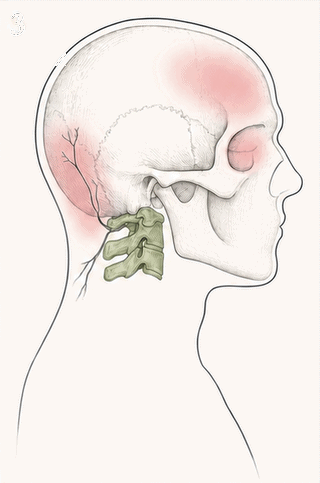
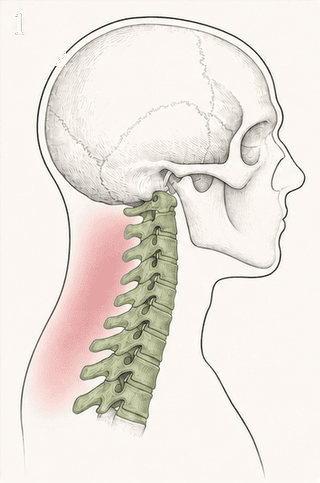
Sustained forward head posture loads the upper cervical spine (C1-C3), which shares nerve pathways with the trigeminal nerve — the primary pain nerve involved in migraine. Over a working day, this mechanical load may lower the threshold for migraine episodes.

A thorough postural and cervical spine assessment may help identify whether desk-related factors are contributing to your migraine pattern.

*Individual responses to care vary. Assessment determines appropriateness.

💡 Light and sound become unbearable during episodes You retreat to a dark room. Even normal conversation feels too loud. The sensitivity can last hours or days and disrupts your work and family life. 👉 Tap to understand why

Photophobia and phonophobia during migraine reflect central sensitisation of the trigeminal system. When upper cervical dysfunction is present, it may amplify this sensitisation through shared nerve pathways (the trigeminocervical nucleus).

Research suggests that addressing cervical spine dysfunction may help reduce the overall sensitivity load for some migraine presentations, though individual responses vary.

*General information only. Assessment determines whether cervical factors may be relevant.

🦴 Your neck stiffens before migraines start You have noticed a pattern: neck tension or stiffness builds, then a migraine follows. It happens almost every time and you wonder if they are connected. 👉 Tap to understand why

Neck symptoms preceding migraine are common and may indicate a cervicogenic component. The upper cervical segments share neural circuitry with the trigeminal nerve, so restricted joints or tight muscles in this region may act as a trigger or amplifier.

This is one of the musculoskeletal factors that chiropractic assessment specifically evaluates. A 2011 evidence-based guideline recommended spinal manipulation for migraine with cervicogenic features.

*Not all migraines have a cervicogenic component. Assessment determines relevance.

📊 Migraines follow your work week or stress cycle Weekdays bring migraines, weekends bring relief. Stress, broken sleep, and jaw clenching seem to make everything worse. 👉 Tap to understand why

Stress manifests as sustained muscle tension through the jaw, neck, and shoulders. Bruxism (teeth grinding) during sleep creates additional mechanical load on the upper cervical spine. Combined with the postural demands of desk work, this may create a weekly cycle of escalating tension that culminates in migraine.

Chiropractic assessment evaluates both the spinal and muscular components that may be contributing to this pattern.

*Chiropractic care addresses musculoskeletal factors and works alongside your broader management approach.

What to Expect at Your First Visit

Your first visit is $69 and takes approximately 30 minutes. Here is what happens.

1

Your Migraine History

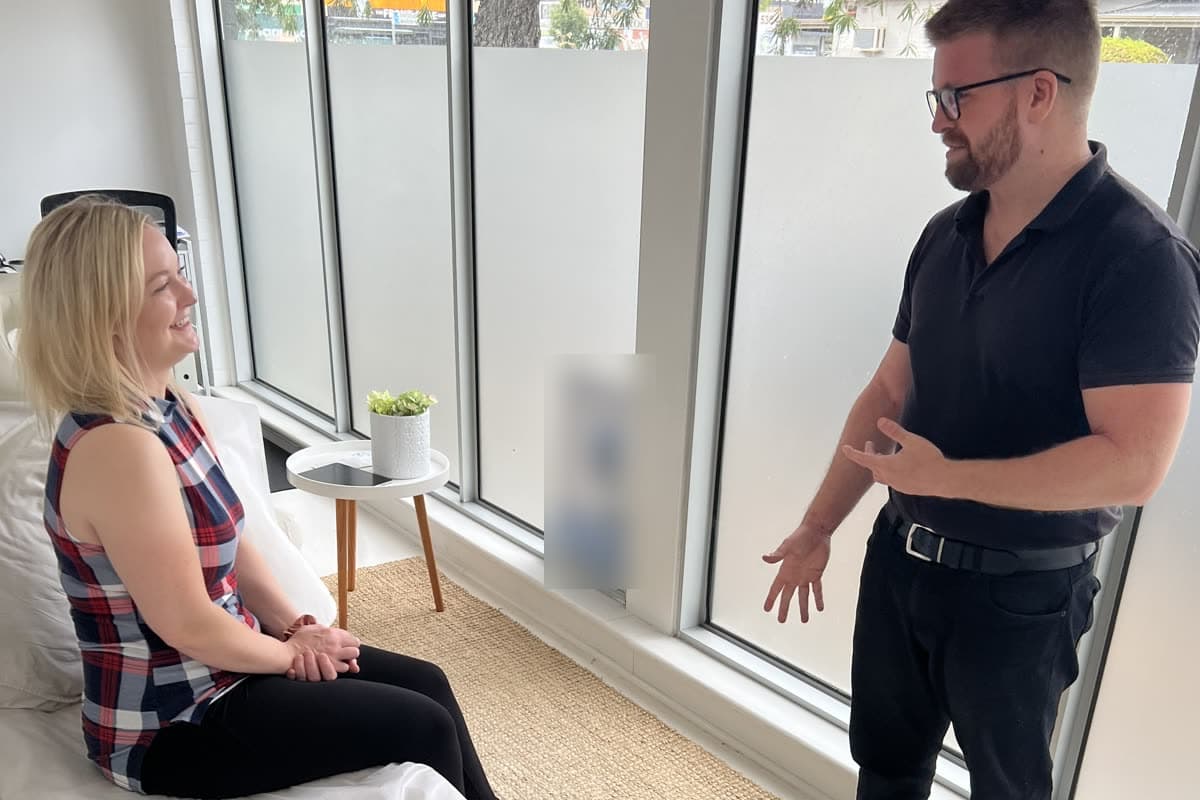
We take a detailed history of your migraines — frequency, duration, triggers, aura, medications, and what you have tried before.

2

Physical Examination

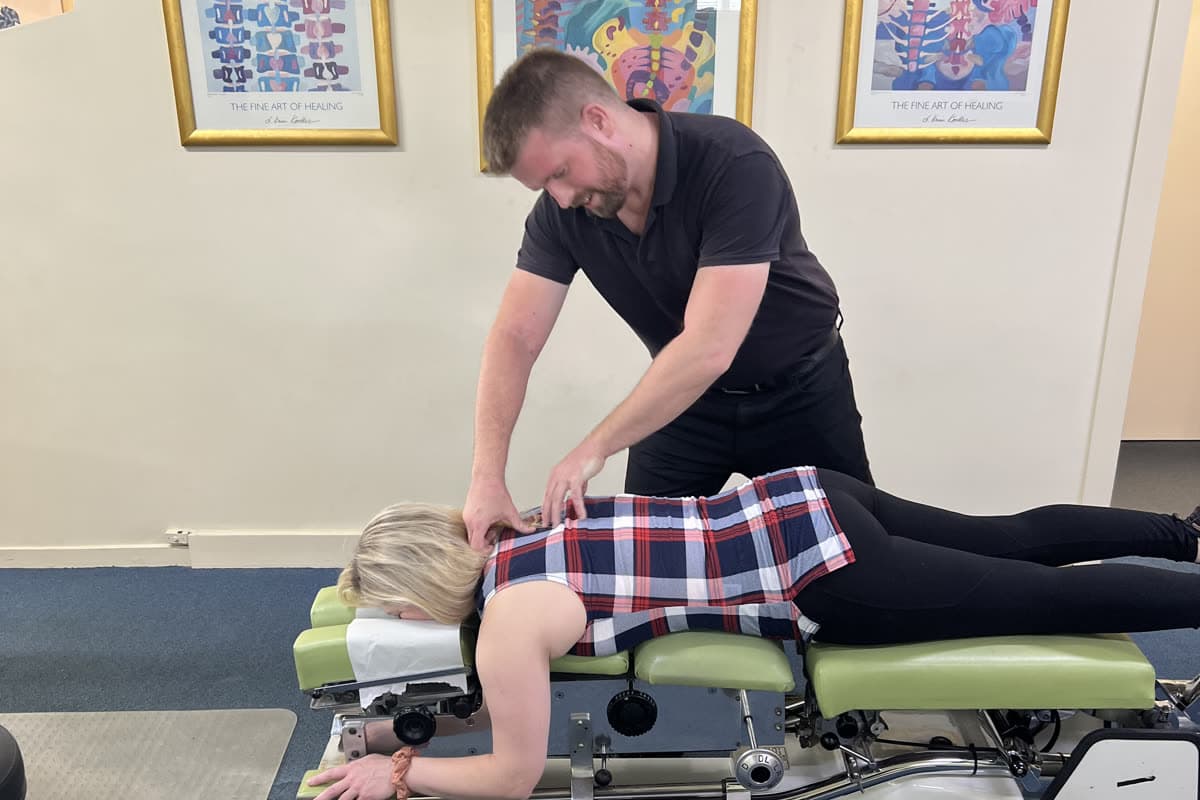
Hands-on assessment of your upper cervical spine (C1-C3), jaw, posture, and muscle tension patterns. Red flag screening included.

3

Clear Explanation

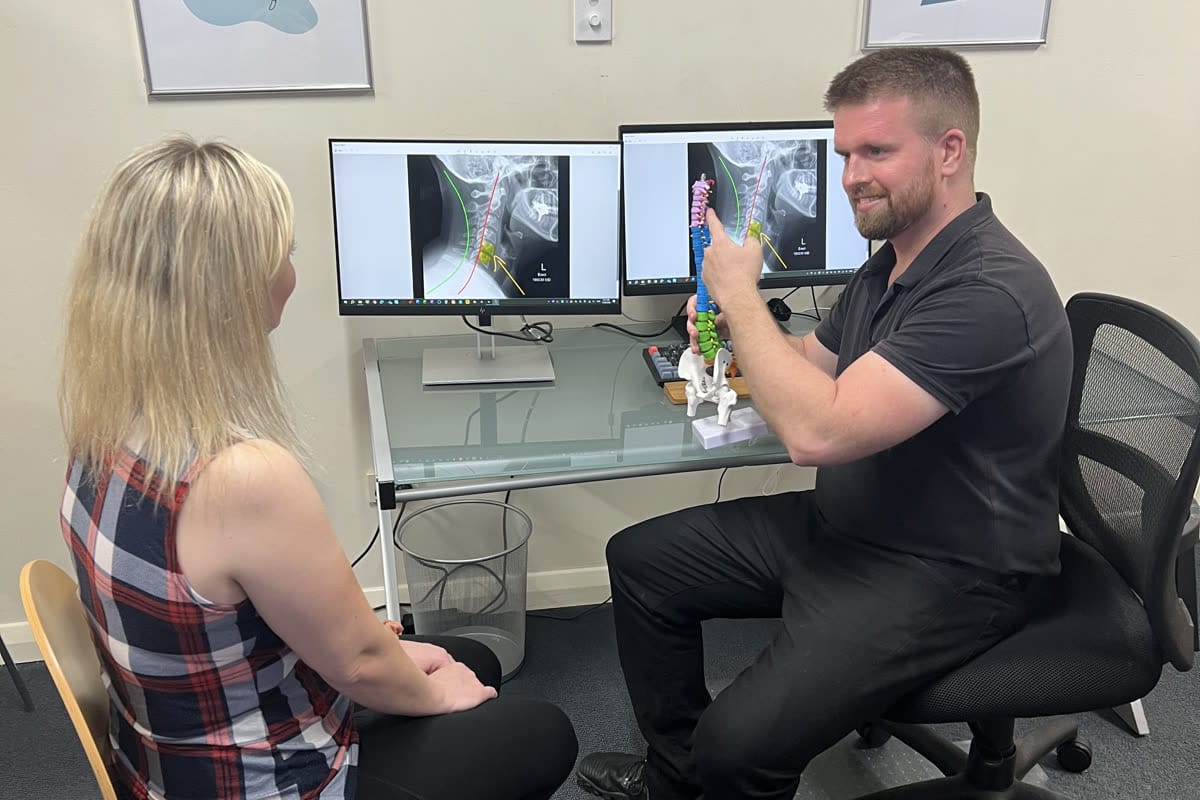
We explain what we found, whether chiropractic care may help your presentation, and what a realistic plan looks like. Straight answers.

4

Gentle Care (If Appropriate)

Where clinically appropriate, gentle care may begin on the same visit. If not, we refer. No lock-in plans. The decision is always yours.

Why Choose Stapleton Chiropractic for Migraine

🏛️

Established 1972

Over 50 years of continuous chiropractic care in Adelaide. Three generations of practitioners at the same Plympton Park address.

🎓

Evidence-Based Approach

Dr Sam Johnson (Chiropractor) — BSc(Chiro), MChiro, Macquarie University. AHPRA registered. Australian Chiropractors Association member.

🕒

Extended Hours

Mon–Fri 7am–7pm, Sat 8am–12pm. On-site parking. On your way home along Marion Road. No lock-in plans.

Who We Commonly Help With Migraine

You are not alone. These are the people who walk through our door.

💻 The Office Worker Eight hours at a desk, migraines that follow your work week, and medication that only takes the edge off. 👉 Tap for more

Screen glare, deadline pressure, and hours of forward-leaning posture load your upper cervical spine throughout the week. Your migraines follow your work week and ease on weekends.

An assessment of your cervical spine and posture may help identify whether musculoskeletal factors are part of the picture.

*Individual responses vary. Assessment determines appropriateness.

🏥 The Shift Worker Irregular hours, broken sleep, and the physical demands of nursing or hospital work leave your body without a consistent rhythm. 👉 Tap for more

Research consistently links sleep disruption with increased migraine frequency. Combined with the physical demands of shift work, your cervical spine carries extra load.

A thorough assessment can evaluate whether cervical spine dysfunction may be adding to the load alongside sleep and schedule factors.

*Individual responses vary. Assessment determines appropriateness.

🔨 The Tradie With Neck Tension Overhead reaching, vibration exposure, and awkward postures leave your neck and shoulders carrying tension all week. 👉 Tap for more

The combination of physical work and sustained awkward postures creates chronic cervical tension that may contribute to your migraine pattern.

Chiropractic assessment can evaluate whether restricted cervical joints and muscular tension may be contributing alongside the physical demands of your work.

*Individual responses vary. Assessment determines appropriateness.

🔍 The Professional Wanting Answers You manage your migraines but wonder if there is a structural component nobody has assessed. You want a straight answer, not a sales pitch. 👉 Tap for more

You have a good handle on your medication management but are curious about whether musculoskeletal factors may be playing a role.

Your first visit is $69 and includes a thorough assessment. We give you a straight answer about whether chiropractic care may help your specific presentation, without pressure to commit.

*No lock-in plans. The decision is always yours.

What Is Migraine?

Migraine is a complex neurological condition characterised by recurring episodes of moderate-to-severe headache, often on one side of the head. It affects approximately 14% of people worldwide, making it the second leading cause of years lived with disability globally.

Unlike a standard headache, migraine involves changes in brain activity and nerve signalling that can produce a range of symptoms beyond head pain. These may include nausea, vomiting, sensitivity to light and sound, visual disturbances (aura), and difficulty concentrating. Episodes can last anywhere from four hours to three days.

Women are approximately two to three times more likely to experience migraine than men, and episodes often follow patterns linked to hormonal changes, stress, sleep disruption, or environmental triggers. An estimated 581 million migraine cases were recorded globally in 2019.

While migraine is primarily a neurological condition, research has identified musculoskeletal factors that may contribute to migraine frequency and severity. The upper cervical spine shares nerve pathways with the trigeminal nerve, which plays a central role in migraine pain processing. This connection is why some people with migraine also experience neck pain or stiffness before, during, or between episodes.

Common Migraine Triggers and Contributing Factors

Understanding what may contribute to your migraines is the first step toward managing them. While triggers vary between individuals, several common factors are relevant to the Adelaide working population.

Cervical Spine Dysfunction

The upper cervical segments (C1-C3) share nerve pathways with the trigeminal nerve, which is the primary pain nerve of the head and face. When these upper cervical joints are stiff or dysfunctional, they may sensitise the trigeminal system and lower the threshold for migraine episodes. This is one of the musculoskeletal factors that chiropractic assessment specifically evaluates.

Sustained Posture and Desk Work

Prolonged sitting with forward head posture loads the upper cervical spine and surrounding muscles. Over the course of a working day, this sustained tension may accumulate and contribute to migraine onset, particularly in people who notice their migraines follow their work week.

Muscle Tension in the Neck and Shoulders

Chronic tension through the suboccipital muscles, upper trapezius, and cervical paraspinal muscles can create referral patterns that overlap with migraine pain. This muscular component is often present alongside the neurological aspects of migraine.

Stress and Jaw Clenching

Psychological stress is a well-documented migraine trigger. Stress often manifests as sustained muscle tension through the jaw (temporomandibular joint), neck, and shoulders. Bruxism (teeth grinding) during sleep is common among migraine sufferers and creates additional mechanical load on the upper cervical spine.

Sleep Disruption

Irregular sleep patterns, shift work, and poor sleep quality are consistently associated with increased migraine frequency. Sleep disruption affects the body's pain processing systems and can lower the threshold for migraine episodes.

Hormonal Factors

Menstrual migraine is a recognised subtype, with episodes commonly occurring in the two days before or the first three days of menstruation. Fluctuations in oestrogen levels are thought to influence migraine susceptibility, which partly explains the higher prevalence in women.

⚠️ When a Headache Needs Urgent Medical Attention

Seek immediate medical care if you experience:

  • ❌ A sudden, severe headache unlike anything you have experienced before (thunderclap headache)
  • ❌ Headache with fever, stiff neck, and rash
  • ❌ Headache with vision changes, confusion, slurred speech, or weakness on one side
  • ❌ Headache after a head injury
  • ❌ A new headache pattern that is progressively worsening over days or weeks
  • ❌ Headache with seizures or loss of consciousness

At Stapleton Chiropractic, we screen for these red flags as part of every assessment and will refer you to the appropriate medical provider immediately if needed. Call 000 for any medical emergency.

How Chiropractic Care May Help With Migraine

Chiropractic care focuses on the musculoskeletal factors that may contribute to migraine frequency and severity. Not every migraine has a spinal component, but for those that do, addressing cervical spine dysfunction may form part of a broader management approach.

Assessment of the Upper Cervical Spine

Your initial assessment evaluates how your upper cervical spine (C1-C3) is functioning. These segments are particularly relevant because they share neural pathways with the trigeminal nerve. Restricted movement, joint stiffness, or muscle tension in this region may contribute to migraine sensitisation. The assessment also screens for red flags that would require referral to your GP or a neurologist.

Spinal Manipulation and Mobilisation

Where clinically appropriate, gentle manipulation or mobilisation of restricted cervical and thoracic segments may help restore normal joint movement. This aims to reduce mechanical irritation that may be contributing to your migraine pattern. Individual responses to care vary, and not all migraine presentations respond to manual therapy.

Soft Tissue and Postural Management

Addressing muscle tension through the suboccipital region, upper trapezius, and cervical paraspinals may complement spinal care. Postural assessment identifies habits and workplace factors that may be loading the upper cervical spine and contributing to your migraine pattern.

A Collaborative Approach

Chiropractic care for migraine works best as part of a broader management strategy. If your migraines require medication, neurological assessment, or other interventions, we will always recommend you maintain those alongside any chiropractic care. The decision about your care is always yours.

How much does a chiropractor for migraine cost in Adelaide?

Your first visit is over 40% below the South Australian average.

Initial consultation
$69
Stapleton Chiropractic
$122
SA average
Standard visit
$60
Stapleton Chiropractic
$71
SA average

Save over 40% on your first visit compared to the SA average

Source: Australian Chiropractors Association Consultation Fee Survey 2025 (SA data). Care provided where clinically appropriate, subject to assessment.

What Does the Research Say About Chiropractic and Migraine?

Last clinically reviewed: May 2026

Tuchin et al. 2000

127 Volunteers: Chiropractic Spinal Manipulative Therapy for Migraine

A randomised controlled trial over six months involving 127 volunteers diagnosed with migraine found that participants receiving chiropractic spinal manipulation reported a statistically significant improvement in migraine frequency, duration, disability, and medication use compared to the control period.

Journal of Manipulative and Physiological Therapeutics, 23(2):91-95. PubMed

Chaibi et al. 2017

104 Migraineurs: Three-Armed Placebo-Controlled Trial

A three-armed, single-blinded, placebo-controlled randomised trial of 104 migraineurs found that migraine days were significantly reduced from baseline in the spinal manipulation group. While the reduction did not significantly differ from the placebo group, the study demonstrated that participants in all groups experienced meaningful improvement, and the authors noted spinal manipulation had a comparable effect size to established migraine medications.

European Journal of Neurology, 24(1):143-153. PubMed

Bryans et al. 2011

Evidence-Based Guidelines: Chiropractic Treatment of Adults with Headache

A systematic review of controlled clinical trials found that spinal manipulation is recommended for the management of patients with cervicogenic headache and episodic or chronic migraine. The review concluded there is evidence that chiropractic care, including spinal manipulation, may help improve migraine and cervicogenic headache outcomes.

Journal of Manipulative and Physiological Therapeutics, 34(5):274-289. PubMed

Jull et al. 2002

200 Participants: Manipulation and Exercise for Cervicogenic Headache

A landmark multicentre randomised controlled trial found that both manipulative therapy and a specific exercise programme significantly reduced cervicogenic headache frequency and intensity, with effects sustained at 12-month follow-up. This is relevant to migraine because some migraines may have a cervicogenic component, and the upper cervical spine assessed in this study is the same region implicated in migraine sensitisation.

Spine, 27(17):1835-1843. PubMed

Haas et al. 2018

256 Adults: Dose-Response of Spinal Manipulation for Cervicogenic Headache

A dual-centre randomised controlled trial of 256 adults with chronic cervicogenic headache found a linear dose-response relationship between spinal manipulation sessions and headache improvement. This finding is relevant to migraine presentations with cervicogenic features, suggesting that consistent care over time may contribute to improvement rather than a single session.

The Spine Journal, 18(10):1741-1754. PubMed

Migraine and Cold Laser Therapy

Photobiomodulation (cold laser therapy) is a non-invasive, painless therapy that uses specific wavelengths of light to support tissue recovery and may help modulate pain pathways. Some research has investigated the application of low-level laser therapy for headache and migraine presentations, particularly those involving cervical spine involvement.

At our Plympton Park clinic, cold laser therapy is available as a standalone service or alongside chiropractic care. Initial cold laser consultation is $99.

Individual responses to cold laser therapy vary. A thorough assessment determines whether this approach may be appropriate for your presentation.

Frequently Asked Questions About Migraine and Chiropractic Care

Can a chiropractor actually help with migraines?+
Research suggests that chiropractic care, including spinal manipulation, may help some people manage migraine frequency and severity. A published evidence-based guideline recommended spinal manipulation for episodic and chronic migraine management. Not every migraine has a spinal component, so a thorough assessment determines whether chiropractic care may be appropriate for your presentation. Individual responses vary.
Is my migraine coming from my neck?+
It may be contributing. The upper cervical spine (C1-C3) shares nerve pathways with the trigeminal nerve, which plays a central role in migraine pain. Neck pain or stiffness before, during, or between migraine episodes may indicate a cervicogenic component. At Stapleton Chiropractic, we assess your upper cervical spine to determine whether it may be a contributing factor. You can also read more on our cervicogenic headache page.
What is the difference between a migraine and a regular headache?+
Migraine is a neurological condition, not just a severe headache. Migraines typically involve moderate-to-severe throbbing pain (often one-sided), nausea, and sensitivity to light or sound. Some people experience aura (visual disturbances) before the headache begins. Tension-type headaches are usually bilateral, pressing, and without nausea. The distinction matters because management approaches differ. Read more about headache types.
Can poor posture cause migraines?+
Sustained poor posture, particularly forward head posture during desk work, loads the upper cervical spine and surrounding muscles. Over time, this may sensitise the nerve pathways involved in migraine and lower the threshold for episodes. If your migraines follow your work week or worsen with prolonged sitting, posture may be a contributing factor worth assessing.
How much does a migraine assessment cost at Stapleton Chiropractic?+
Your first visit is $69, which includes a thorough migraine-focused assessment and, where clinically appropriate, gentle care on the same day. Standard visits are $60. That is well below the South Australian average of $122 for an initial consultation. We accept all major health funds. No lock-in plans, no pressure.
Do I need a referral to see a chiropractor for migraines?+
No. Chiropractors are primary contact practitioners in Australia. You can book directly without a referral from a GP or neurologist. If you have a GP Management Plan (EPC plan), you may be eligible for a partial Medicare rebate for up to five allied health visits per calendar year.
Should I see a chiropractor or a neurologist for my migraines?+
They serve different roles and are not mutually exclusive. A neurologist assesses the neurological aspects of migraine and manages medication. A chiropractor assesses whether musculoskeletal factors, particularly cervical spine dysfunction, may be contributing to your migraine pattern. At Stapleton Chiropractic, if we assess your presentation and feel you need neurological input, we will always recommend it. Many patients see both.
Will I need to keep coming back?+
That depends entirely on your presentation and how you respond. Some people benefit from a short course of care, while others find periodic check-ups helpful for managing a long-term condition. We do not use lock-in plans. After your assessment, we discuss what we found and recommend a plan. The decision about whether to continue is always yours.
Is chiropractic care generally well-tolerated for migraines?+
Chiropractic care is generally well-tolerated when performed by a registered practitioner. At Stapleton Chiropractic, we use gentle, low-force techniques including Activator and drop-piece methods. Every assessment includes red flag screening to ensure chiropractic care is appropriate for your presentation. If your migraines have features that require medical investigation first, we will always refer.
What evidence is there for chiropractic and migraine?+
Several randomised controlled trials have investigated spinal manipulation for migraine. A 2000 RCT of 127 migraineurs found significant improvement in migraine frequency, duration, and disability. A 2017 placebo-controlled trial of 104 participants showed migraine days reduced from baseline in the manipulation group. Published evidence-based guidelines recommend spinal manipulation as a management option for episodic and chronic migraine.
Can migraines with aura be assessed by a chiropractor?+
Yes. Migraine with aura (visual disturbances, sensory changes before the headache) can be assessed. The musculoskeletal assessment is the same. However, if you are experiencing new or changing aura symptoms, we would recommend seeing your GP or a neurologist to rule out other causes before or alongside chiropractic care.
How is a migraine assessment different from a regular chiropractic visit?+
A migraine-focused assessment spends additional time on your headache history, including frequency, duration, triggers, aura, and current medications. The physical examination has a particular focus on the upper cervical spine (C1-C3), temporomandibular joint, suboccipital muscles, and postural patterns. We are looking specifically for musculoskeletal factors that may be contributing to your migraine presentation.
Can stress trigger migraines?+
Stress is one of the most commonly reported migraine triggers. It causes sustained muscle tension through the neck, shoulders, and jaw, and can sensitise the nervous system. While chiropractic care cannot remove stress from your life, we can assess and address the physical consequences stress has on your cervical spine and surrounding muscles, which may be part of the picture.
Are migraines more common in women?+
Yes. Women are approximately two to three times more likely to experience migraine than men. Hormonal fluctuations, particularly around menstruation, are thought to influence migraine susceptibility. Menstrual migraine is a recognised subtype with episodes commonly occurring in the two days before or the first three days of menstruation. The musculoskeletal assessment and management approach at Stapleton Chiropractic is the same regardless of gender.

Quick answers before you book

How much does a first visit cost?

$69 initial consultation (approximately 30 minutes). Most health funds provide a rebate on the spot.

Is it safe for someone with migraines?

Assessment comes first. We use gentle, low-force techniques (Activator and drop-piece). If chiropractic care is not appropriate for your presentation, we will tell you and refer you to the right provider.

Do I need a GP referral?

No referral needed. You can book directly. We will recommend GP or neurological input if your presentation warrants it.

Do you accept private health insurance?

All major health funds accepted. Most funds provide an on-the-spot rebate.

Will you tell me if chiropractic care will not help?

Yes. If we assess your presentation and determine that your migraines do not have a musculoskeletal component we can address, we will say so and recommend the appropriate next step. The decision is always yours.

Book a Consultation

$69 Initial Consultation

Book Online

📞 (08) 8297 5277

528 Marion Road, Plympton Park SA 5038

Mon–Fri 7am–7pm  |  Sat 8am–12pm

All major health funds accepted  |  Free on-site parking

Dr Sam Johnson (Chiropractor)

BSc(Chiro), MChiro, Macquarie University

Member, Australian Chiropractors Association

Stapleton Chiropractic | Est. 1972

528 Marion Road, Plympton Park SA 5038

(08) 8297 5277 | wecanhelp@stapletonchiropractic.com.au

Mon–Fri 7am–7pm | Sat 8am–12pm

Last clinically reviewed: May 2026 by Dr Sam Johnson (Chiropractor), B.Sc.(Chiro), M.Chiro.(Macq), AHPRA Registered.

author avatar
Dr Sam Johnson (Chiropractor)
Dr Sam Johnson (Chiropractor), B.Chiro.Sc (Macq), M.Chiro (Macq), is the Principal Chiropractor and Clinic Director at Stapleton Chiropractic in Plympton Park, Adelaide. He provides evidence-informed chiropractic care with a focus on musculoskeletal health, spinal movement, and functional improvement. Dr Sam Johnson (Chiropractor) works with adults, older adults, and families across all stages of life, supporting concerns such as back pain, neck pain, headaches, and postural issues. He is committed to clear communication, personalised care planning, and long-term patient outcomes.