Stapleton Chiropractic - trusted by Adelaide families for over 50 years

528 Marion Road · Plympton Park · Adelaide

Lower back pain chiropractor in Adelaide

That ache or seize in the lower back after sitting, lifting, or a long day at the desk can make work and the drive home harder than they should be. If you want to feel better and get a clearer picture of what may be going on, book a first visit: 7am to 7pm weekdays, Saturday mornings, and free on-site parking on Marion Road.

Lower back pain is aching, stiffness, or a sharp catch in the lumbar spine. It may stay local, or it may travel into the buttock or thigh. A chiropractic assessment with Dr Sam Johnson (Chiropractor) may help map what may be contributing and discuss suitable options. Individual presentations vary.

Dr Sam Johnson (Chiropractor) at Stapleton Chiropractic, Plympton Park
Dr Sam Johnson (Principal Chiropractor)
B.Sc.(Chiro), M.Chiro.(Macq) Lower back pain · Marion Road

B.Sc.(Chiro), M.Chiro.(Macq) · AHPRA Registered

Dr Sam Johnson (Chiropractor) has practised on Marion Road for over 10 years, continuing a clinic families have trusted since 1972.

Stapleton Chiropractic · Est. 1972 · ACA Member

(08) 8297 5277

Does this sound like you?

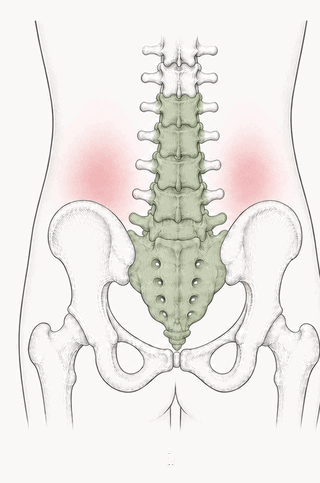
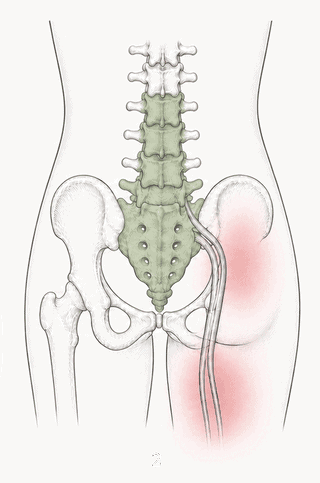
Educational wayline illustration of the lower back region and common felt areas

Everyone starts somewhere different.
Tap the one that sounds like you.

What Happens in Your First Assessment

Clear steps. You stay in control of what happens next.

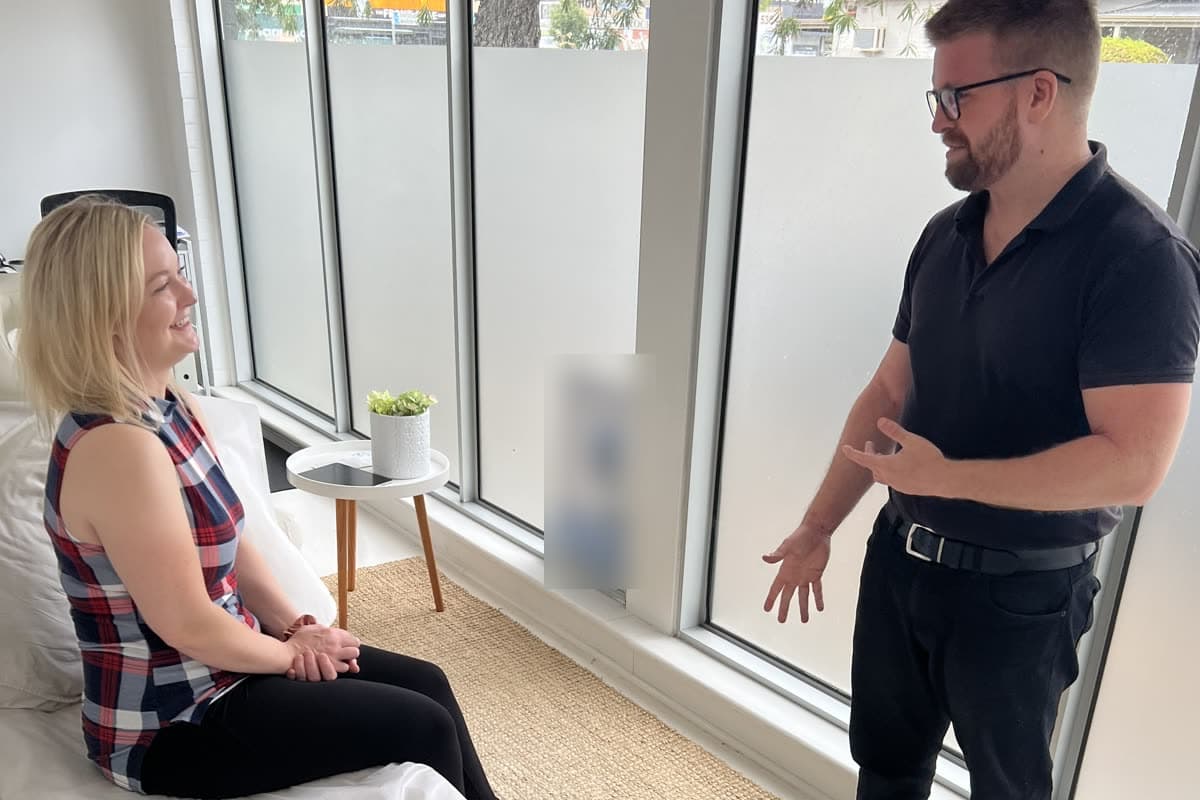
Dr Sam Johnson (Chiropractor) listening to a patient at the start of a first visit
1

We listen first

Your story, work demands, and what is getting in the way of normal days.

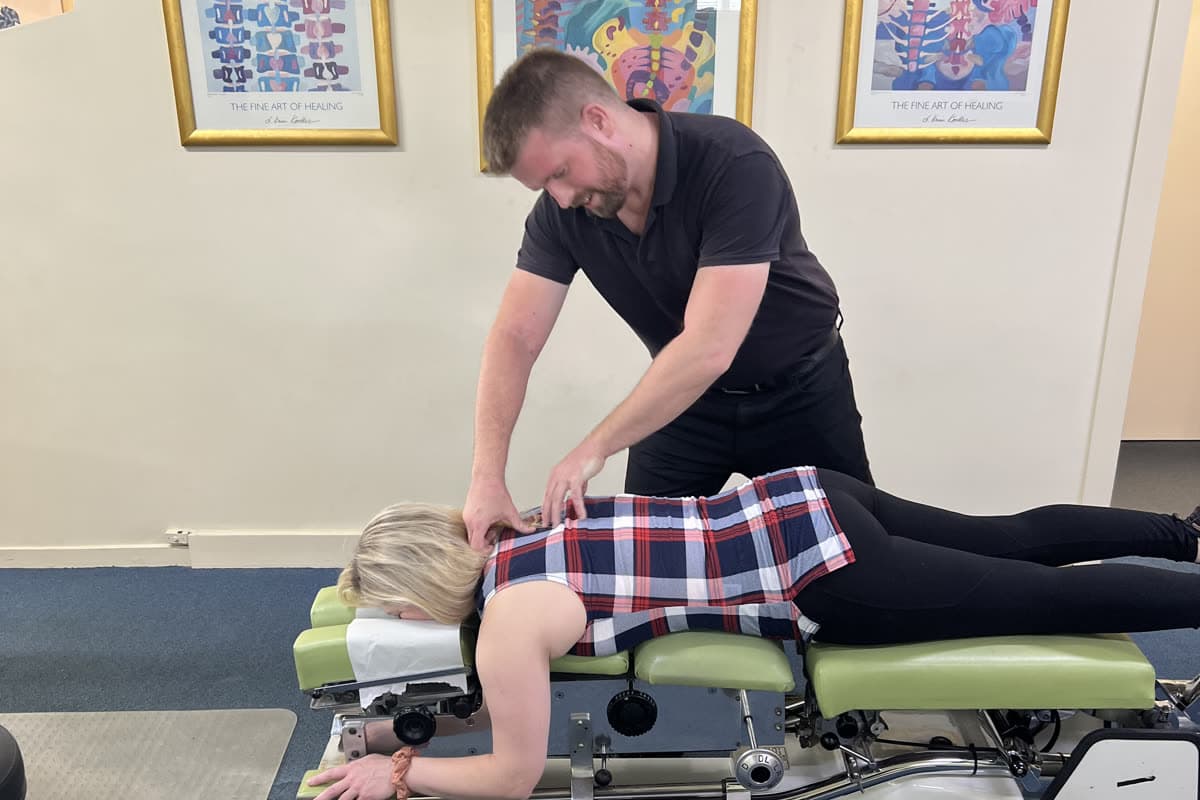
Dr Sam Johnson (Chiropractor) completing a physical assessment
2

Thorough assessment

Movement, relevant orthopaedic tests, and a careful look at the area that bothers you.

Where possible, treatment may be provided on the first visit.*

*Only where clinically appropriate, based on clinical need and suitability. Individual responses vary.

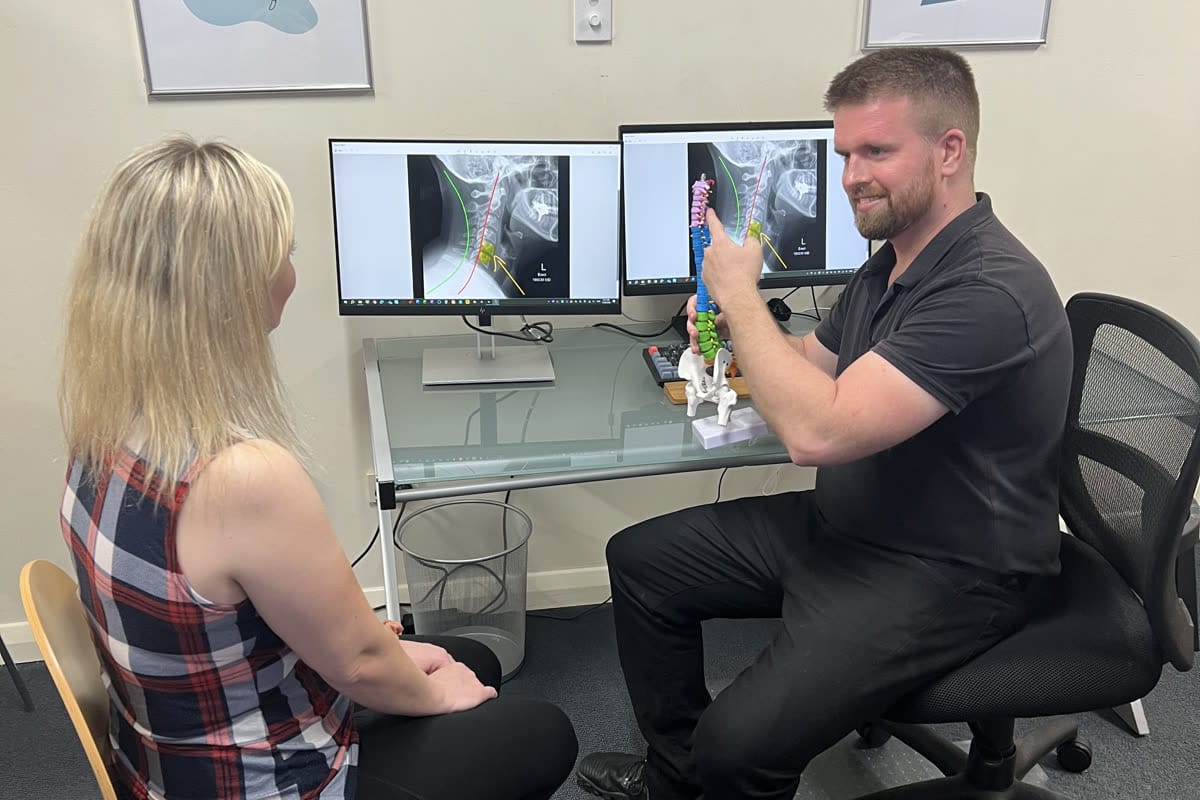
Dr Sam Johnson (Chiropractor) explaining assessment findings in clear language
3

Clear answers

What we found, what it may mean for you, and sensible options from here.

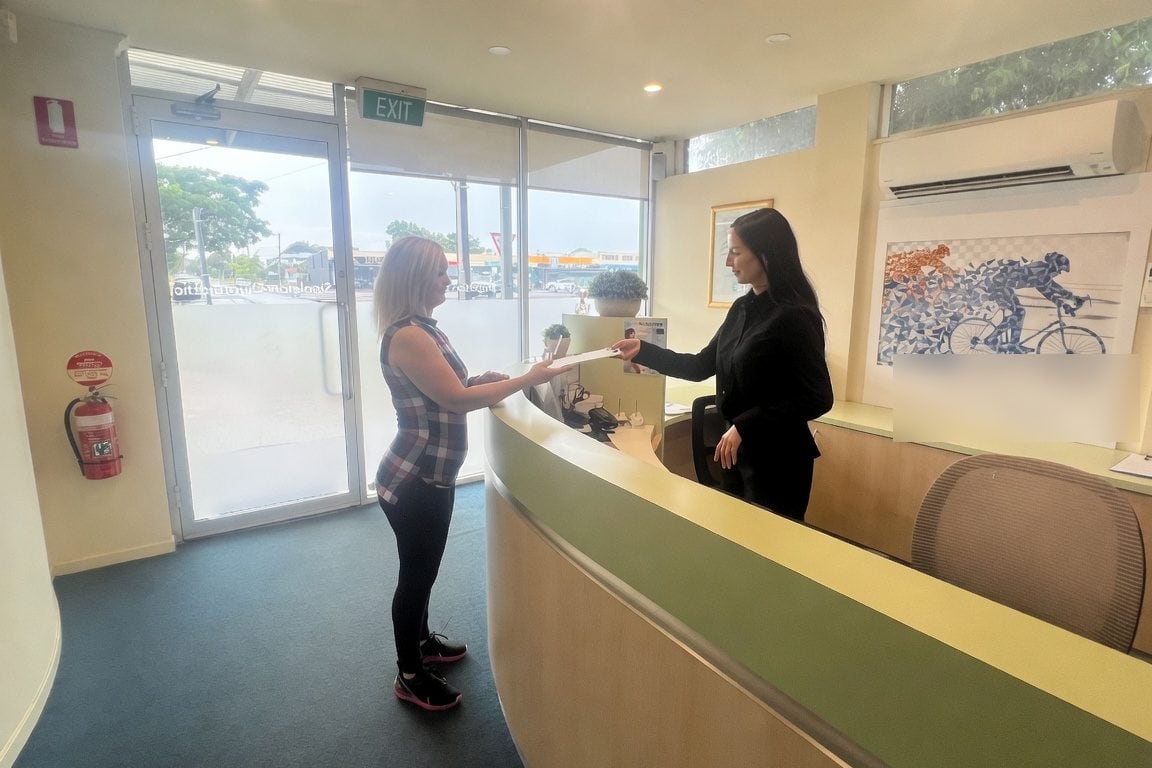
Reception at Stapleton Chiropractic during a patient handoff
4

A plan you control

If care may help, we outline options. You choose whether and how to proceed.

Assessment findings and any care offered are individual. Treatment is only provided where clinically appropriate. Individual responses vary.

How much does a first visit cost?

Clear numbers. No surprises.

Initial visit Save over 40% vs the SA average $69 initial · SA average $122*

Initial consultation

$69

SA average: $122*

Stapleton$69
SA average*$122

Standard visit

$60

SA average: $71*

Stapleton$60
SA average*$71
No lock-in plans All major health funds accepted

After your assessment, you choose how you'd like to proceed. You choose what happens next.

*Australian Chiropractors Association Consultation Fee Survey 2025 (SA data). All care is provided subject to clinical assessment and individual suitability. Individual responses to treatment vary.

Quick answers before you book

The five things people usually want cleared first.

Can chiropractic help with lower back pain? Most asked

Yes. Lower back pain is one of the most common reasons people book here. Dr Sam Johnson (Chiropractor) examines you, explains what he finds in clear language, and maps a next step. Individual responses vary. If this is not the right path, we say so and help refer and point you in the right direction.

How much does a first visit cost? Most asked

Initial consultation $69. Standard visit $60. Over 40% below the SA average of $122 (ACA Fee Survey 2025). All major health funds accepted.

Do you accept private health? Most asked

All major private health funds accepted where your cover applies.

Do I need a referral?

No. Book directly. Dr Sam Johnson (Chiropractor) is happy to correspond with your GP when that is useful.

What if I'm not sure chiropractic is right for me?

Your first visit is a real examination. Findings are explained in clear language. If it is not the right fit here, we say so and help refer and point you in the right direction. You choose what happens next.

More questions further down the page. All care is provided subject to clinical assessment and individual suitability. Individual responses vary.

Ready to book?

Choose a time that suits. No referral needed.

Your first visit
Dr Sam Johnson (Chiropractor)

Dr Sam Johnson (Chiropractor)

B.Sc.(Chiro), M.Chiro.(Macq) · Marion Road, Adelaide

$69

Initial consultation

Open the live diary and pick a time that suits

  • $69 first visit
  • Weekdays 7am to 7pm
  • Saturday mornings
  • Free on-site parking
  • All major health funds
  • No lock-in plans

Prefer to call? (08) 8297 5277

All care is provided subject to clinical assessment and individual suitability. Individual responses to treatment vary.

More questions people ask

Deeper answers if you want them. The booking path is still above.

Is lower back pain always one simple problem?

Usually people use "lower back pain" as a label for aching, stiffness, or a catch in the lumbar spine. That label is useful, but it is not the full story by itself.

Your visit is where we work out what may be contributing to your symptoms and what is sensible next. That may include care here, a short watch-and-review plan, imaging, or referral if that is the wiser path. You leave with a clear explanation, not a mystery.

Where do I park and how do I find you?

528 Marion Road, Plympton Park SA 5038. Free on-site parking at the clinic. Easy access via the main road if you are already driving past. Open in Maps.

How many visits will I need?

There is no fixed number for everyone. Progress is reviewed regularly. Individual responses vary.

Will I need scans?

Not always. Imaging when clinically indicated. X-rays only with your agreement. Some pathways may be bulk billed where eligible.

Should I see my GP first?

You do not need a GP referral to see a chiropractor in Australia. If bladder or bowel change, saddle numbness, or rapidly progressing weakness is present, start with your GP or emergency care. For a more typical mechanical presentation, starting here is a common path. We will coordinate with your GP when imaging or further review is indicated.

Is chiropractic generally well-tolerated for lower back pain?

Many people with lower back pain are managed conservatively. Hands-on care is not right for every presentation. A careful assessment helps decide whether manual therapy is suitable, which techniques fit, and whether a gentler low-force option is wiser. Temporary soreness can occur after treatment. Serious adverse events are uncommon. Red flags go to medical services first.

Will this settle if I wait?

Some episodes settle with time and sensible activity. Waiting is not always the best option if pain is severe or function is affected. A consultation helps you decide what is sensible next. Individual responses vary. We do not publish recovery timeframes.

What is the difference between lower back pain and sciatica?

Lower back pain is usually felt in the lumbar region. Sciatica describes pain that travels along the path of the sciatic nerve into the leg. A disc or nerve-root issue may contribute to both. You can have local back pain without leg symptoms, or leg pain without a simple local story. Assessment sorts the pattern. See our sciatica page if the leg story is louder.

Can chiropractic care help with pregnancy-related lower back pain?

Changing pelvic load during pregnancy may contribute to lower back pain. If care is offered, it stays musculoskeletal and uses pregnancy-appropriate, lower-force options. This is not obstetric care. Individual presentations vary. Suitability is decided after assessment.

Can I still drive?

Many people continue to drive if they can do so safely. If pain, weakness, or numbness affects pedal control or concentration, do not drive and seek medical advice. We can discuss sitting comfort after assessment. This is not a driving clearance.

What sleeping position may feel easier?

Many people find side-lying with a pillow between the knees more comfortable. Some prefer lying on the back with a pillow under the knees. What helps you is individual. We can talk this through after assessment.

Why does sitting make my lower back worse?

Sustained sitting may load the lumbar joints, discs, and supporting muscles. Walking often eases that pattern. Sitting may bring it back. That is a clue, not a diagnosis. Assessment looks at how you sit, lift, and move.

Which mechanical patterns may be involved?

Several patterns can look similar. Tap a card. Assessment decides. Nothing here is a diagnosis.

General information only. This is not a diagnosis and does not replace a proper clinical assessment. Individual presentations vary. All care is provided subject to clinical assessment and individual suitability.

When should I seek urgent care for lower back pain?

Many lower back presentations are mechanical. Call 000 or attend ED if you develop any of the following.

Seek urgent care if these signs appear Call 000 or attend ED. Many lower back presentations are mechanical.

Bladder or bowel change

New difficulty with urine, incontinence, or new saddle numbness.

Rapid leg weakness

Foot drop or a sudden inability to stand on toes or heels that is worsening quickly.

Severe pain after trauma

Major fall, crash, or impact with severe pain.

Fever, weight loss, night pain

Unexplained systemic symptoms that do not behave like ordinary mechanical pain.

General information only, not medical advice. This is not an exhaustive list. If you are unsure, contact your GP, healthdirect on 1800 022 222, or emergency services.

What may be contributing to lower back pain?

A short orientation only. Tap a card. Assessment decides. Nothing here is a diagnosis.

General information only. This is not a diagnosis and does not replace a proper clinical assessment. Individual presentations vary. All care is provided subject to clinical assessment and individual suitability.

Can lower back pain come from a disc?

Sometimes. Not always. The starting point is a careful assessment, not a label.

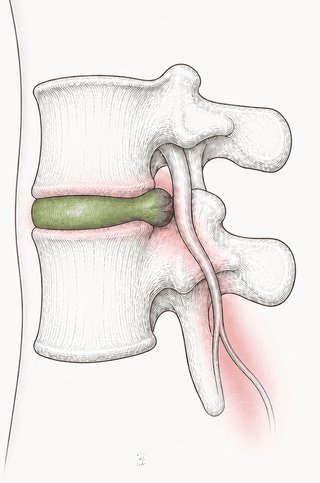
The lumbar discs sit between the vertebrae of the lower back. Load, sitting, and lifting may contribute to local ache. If a nearby nerve root is also irritated, pain may travel into the buttock or leg.

A lumbar disc bulge or herniation is one possible contributor. It is not the only one. Pain that stays local after sitting or a lift may relate to joints, discs, or soft tissue. Pain that travels below the knee and flares with a cough or sneeze may relate to a nerve root. Those clues help. They do not diagnose you from a webpage.

Guideline-level care for low back pain usually starts conservative, with red-flag screening, then review. Read more on our slipped disc page if that story sounds closer, or book so we can assess your pattern.

General information only. This is not a diagnosis and does not replace a proper clinical assessment. Individual presentations vary. All care is provided subject to clinical assessment and individual suitability. Individual responses to treatment vary.

What does research suggest about lower back pain care?

Guideline and review-level context for conversation. Individual responses vary. This is not a personal prognosis.

$69Initial consult here
$122SA average initial*
1972Clinic established
6 daysMon to Sat hours

Guidelines favour conservative care first

NICE NG59 and the American College of Physicians guideline recommend non-pharmacological care as a first-line option for low back pain with or without sciatica, when suitable. Manual therapy may be considered as part of a package with exercise. Routine imaging is not the default.

NICE NG59 · Qaseem et al., 2017 · PMID 28192789

When leg pain travels too

A double-blind trial compared active spinal manipulation with a simulated technique in people with acute back pain and sciatica with disc protrusion. That is study context for mixed back-and-leg presentations, not a prediction for you. Individual responses vary.

Santilli et al., 2006 · PMID 16517383

Conservative care still comes first

A small randomised study compared spinal manipulation with microdiscectomy in people with disc-related sciatica who had not responded to other care. Some participants improved on either path. That is study context for a subset, not a package and not a prediction for you.

McMorland et al., 2010 · PMID 21036279

Manual therapy in selected cases

Research suggests spinal manipulative therapy may help some people with low back pain, including presentations with referred leg pain. Suitability depends on assessment. Adverse events in reviews are generally described as minor and transient.

Rubinstein et al., 2012 · PMID 22972127 · Rubinstein et al., 2019 · PMID 30867144

Acute low back pain reviews

A JAMA systematic review found spinal manipulative therapy was associated with modest improvements in pain and function for some people with acute low back pain. Harm signals in that review were generally minor. Individual responses vary.

Paige et al., 2017 · PMID 28399251

Guideline-level LBP context

A Lancet series summarises that most low back pain is managed first with advice, activity, and conservative options. Imaging is reserved. This is conversation context, not a personal plan.

Foster et al., 2018 · PMID 29573872 · Bronfort et al., 2010 · PMID 20184717

Conservative options and imaging

Research suggests many low back and radicular presentations are managed with non-surgical care, activity advice, and review. Imaging and referral when red flags or non-response warrant them.

Traeger et al., 2017 · PMID 29133540

Red flags stay open

Serious pathology is uncommon. Screening still matters. Bladder change, progressive weakness, or trauma with severe pain means urgent medical care first.

Downie et al., 2013 · PMID 24335669

After we assess, we talk it through

Care is discussed after assessment. Progress is reviewed regularly. If imaging, your GP, or another path is wiser, we say so. Individual responses vary.

Conversation context, not a personal prognosis

QuestionChiropractic herePhysiotherapy
Primary focusLumbar and pelvic mechanics, screening, and hands-on care including adjustments where suitableOften more exercise-focused or soft-tissue-centric
ExerciseExercises and stretches may be prescribed where appropriate, alongside hands-on careExercise rehabilitation is often a main focus
Soft tissueIn-house cold laser may be discussed if a soft-tissue picture fits. Ask at your visitSoft-tissue work varies by clinic
Referral needed?No. Book directlyNo
Plan or contract?You choose the next stepVaries by clinic
If this is not the right fitWe refer and point you in the right directionYour physio may refer on

Citations support conversation, not a guarantee. Not a diagnosis. Individual responses vary. All care is provided subject to clinical assessment and individual suitability.


Does your work pattern sound familiar?

Three common situations. Tap a card. This is orientation, not a diagnosis.

General information only. This is not a diagnosis and does not replace a proper clinical assessment. Individual presentations vary.

Location, Hours and Practical Details

What you need for a smooth first visit.

Location

528 Marion Road, Plympton Park SA 5038 Free on-site parking at the clinic.

Get directions

Open early, late, Saturday

  • Mon to Fri7am to 7pm
  • Saturday8am to 12pm
  • SundayClosed

Health funds

All major health funds accepted where your cover applies.

What to bring

Comfortable clothing. Recent imaging or reports if you have them. No referral needed.

Ready when you are

on Marion Road

Est. 1972

Stapleton Chiropractic
528 Marion Road, Plympton Park SA 5038 · Directions
(08) 8297 5277
Mon to Fri 7am to 7pm · Sat 8am to 12pm
(08) 8297 5277
Dr Sam Johnson (Chiropractor) during a hands-on assessment at Stapleton Chiropractic

References

  1. National Institute for Health and Care Excellence. (2016, updated 2020). Low back pain and sciatica in over 16s: assessment and management. NICE guideline NG59. nice.org.uk
  2. Qaseem A, et al. (2017). Noninvasive treatments for acute, subacute, and chronic low back pain. Annals of Internal Medicine. PMID 28192789.
  3. Santilli V, Beghi E, Finucci S. (2006). Chiropractic manipulation in acute back pain and sciatica with disc protrusion. The Spine Journal. PMID 16517383.
  4. McMorland G, et al. (2010). Manipulation or microdiskectomy for sciatica? J Manipulative Physiol Ther. PMID 21036279.
  5. Rubinstein SM, et al. (2012). Spinal manipulative therapy for acute low back pain. Spine Journal. PMID 22972127.
  6. Rubinstein SM, et al. (2019). Benefits and harms of spinal manipulative therapy for chronic low back pain. BMJ. PMID 30867144.
  7. Traeger A, et al. (2017). Diagnosis and management of low-back pain in primary care. CMAJ. PMID 29133540.
  8. Downie A, et al. (2013). Red flags to screen for malignancy and fracture in patients with low back pain. BMJ. PMID 24335669.
  9. Paige NM, et al. (2017). Association of spinal manipulative therapy with clinical benefit and harm for acute low back pain. JAMA. PMID 28399251.
  10. Foster NE, et al. (2018). Prevention and treatment of low back pain. The Lancet. PMID 29573872.
  11. Bronfort G, et al. (2010). Effectiveness of manual therapies: the UK evidence report. Chiropractic and Osteopathy. PMID 20184717.
  12. Konstantinou K, Dunn KM. (2008). Sciatica: review of epidemiological studies and prevalence estimates. Spine. PMID 18923325.
Last clinically reviewed 13 August 2026 by Dr Sam Johnson (Chiropractor), B.Sc.(Chiro), M.Chiro.(Macq). AHPRA registered. Individual responses vary.
© Stapleton Chiropractic. Dr Sam Johnson (Chiropractor), B.Sc.(Chiro), M.Chiro.(Macq). AHPRA registered. 528 Marion Road, Plympton Park SA 5038
author avatar
Dr Sam Johnson (Chiropractor)
Dr Sam Johnson (Chiropractor), B.Chiro.Sc (Macq), M.Chiro (Macq), is the Principal Chiropractor and Clinic Director at Stapleton Chiropractic in Plympton Park, Adelaide. He provides evidence-informed chiropractic care with a focus on musculoskeletal health, spinal movement, and functional improvement. Dr Sam Johnson (Chiropractor) works with adults, older adults, and families across all stages of life, supporting concerns such as back pain, neck pain, headaches, and postural issues. He is committed to clear communication, personalised care planning, and long-term patient outcomes.