Manual therapy plus exercise
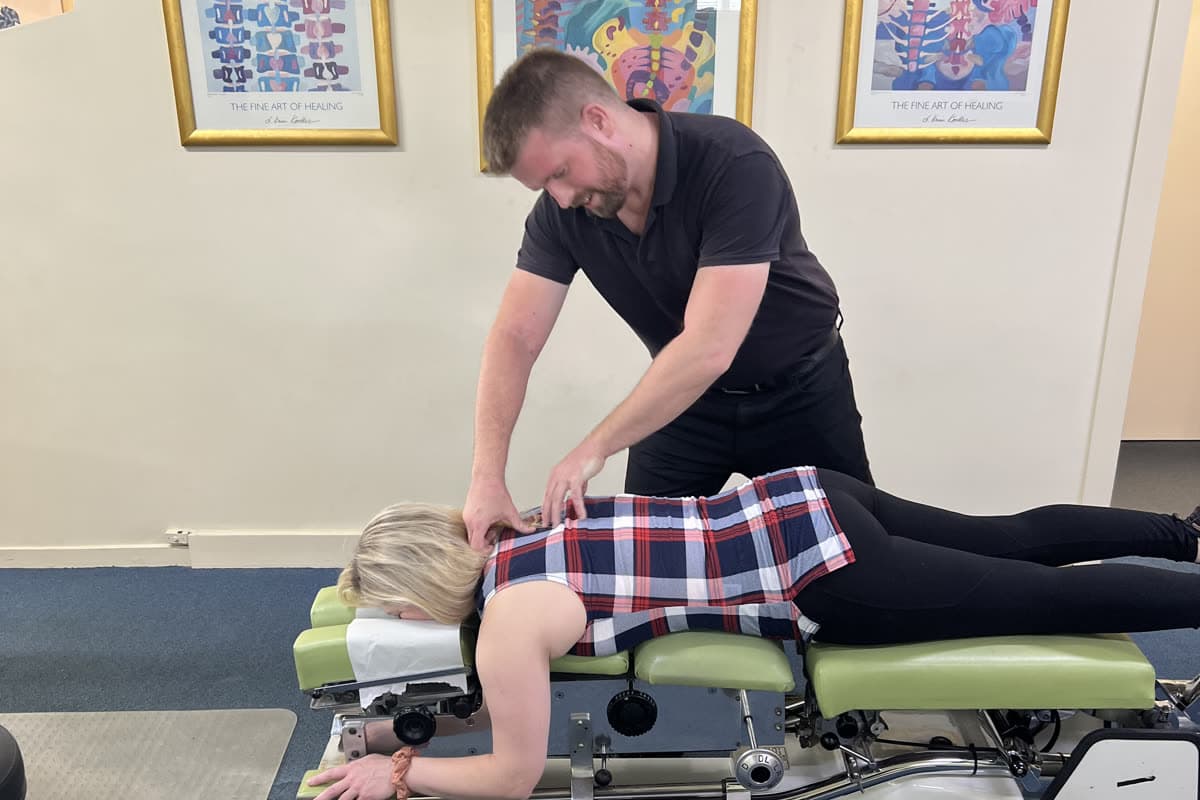
A Cochrane review of 27 randomised trials reported moderate-quality evidence that cervical manipulation and mobilisation produced similar effects on pain, function, and satisfaction. The review also reported that multimodal care combining manual therapy with exercise was beneficial for subacute and chronic mechanical neck disorders. Study context, not a prediction for you.
Gross et al., 2010 · PMID 20091561
Manipulation compared with medication
A randomised trial of 272 people published in the Annals of Internal Medicine compared spinal manipulative therapy with medication for neck pain. In that trial, manipulative therapy was associated with greater pain reduction for some participants. Individual responses vary.
Bronfort et al., 2012 · PMID 22213489
Clinical practice guideline
The JOSPT neck-pain guideline recommends thoracic manipulation, cervical manipulation or mobilisation, range-of-motion exercise, and strengthening across acute, subacute, and chronic neck pain when suitable. That is guideline context, not a personal plan.
Blanpied et al., 2017 · JOSPT neck pain CPG
Activity over passivity
The Bone and Joint Decade Task Force reviewed a large evidence set and favoured approaches that emphasise activity and return to function over purely passive care for neck pain. Assessment still decides what is sensible for you.
Hurwitz et al., 2008 · PMID 18204386
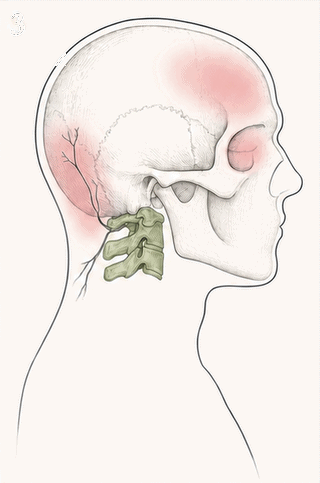
When headaches sit with the neck
A dual-centre randomised trial studied spinal manipulation for cervicogenic headache. That is study context for a headache-linked neck pattern, not a promise that your headaches will change.
Haas et al., 2018 · PMID 29481979
Manual therapy evidence map
The UK evidence report summarises where manual therapies may help musculoskeletal presentations, including neck pain. Suitability depends on assessment. Adverse events in reviews are generally described as minor and transient.
Bronfort et al., 2010 · PMID 20184717
Office and screen load
Research in Australian office workers found new neck-pain episodes are common across a work year. Desk and device load is a clue, not a diagnosis. Hush and colleagues reported this pattern in BMC Musculoskeletal Disorders in 2009.
Hush et al., 2009 · BMC Musculoskeletal Disorders
Red flags stay open
Serious pathology is uncommon. Screening still matters. Sudden severe neck pain with neurological signs, progressive weakness, or trauma with severe pain means urgent medical care first.
Conversation context, not a personal prognosis
After we assess, we talk it through
Care is discussed after assessment. Progress is reviewed regularly. If imaging, your GP, or another path is wiser, we say so. In-house cold laser may be discussed if a soft-tissue picture fits. Ask at your visit. Individual responses vary.
Conversation context, not a personal prognosis
What this means here
Citations support a conversation. They do not promise your outcome. Dr Sam Johnson (Chiropractor) will explain what he finds and what is sensible next. You choose.
Book a first visit to apply this to you
Citations support conversation, not a guarantee. Not a diagnosis. Individual responses vary. All care is provided subject to clinical assessment and individual suitability.